

Published articles
59 articles liveFrequency Regulation
6 articles
Frequency Regulation RFP Template: EU Guide
A section-by-section frequency regulation RFP template for FCR, aFRR and mFRR battery projects in Europe, with performance specs, evidence and bid-void checks.
Read
Frequency Regulation Revenue Stacking Guide
How batteries stack frequency regulation revenue with arbitrage and capacity: what each stream consumes, how scores cut payouts, and how to underwrite it.
Read
Sub-20 ms Response Battery Storage: Decoded
Learn what sub-20 ms response really measures in battery storage: the four clocks behind one number, where each starts and stops, and how to verify it at FAT.
Read
Dynamic Containment Battery UK Requirements
What a battery must deliver for UK Dynamic Containment in 2026: response specs, metering and SMP registration, auction reality, and the hardware that qualifies.
Read
aFRR Battery Storage Germany: Market Guide
Germany's aFRR market is the largest balancing market for battery storage. Learn auction mechanics, prequalification, 2025-26 revenue trends, and market entry.
Read
mFRR Battery Storage in the Netherlands
A practical English guide to earning from mFRR battery storage in the Netherlands: TenneT rules, capacity pay, revenue stacking, risks and 2026 market data.
ReadU.S. Battery Storage
5 articles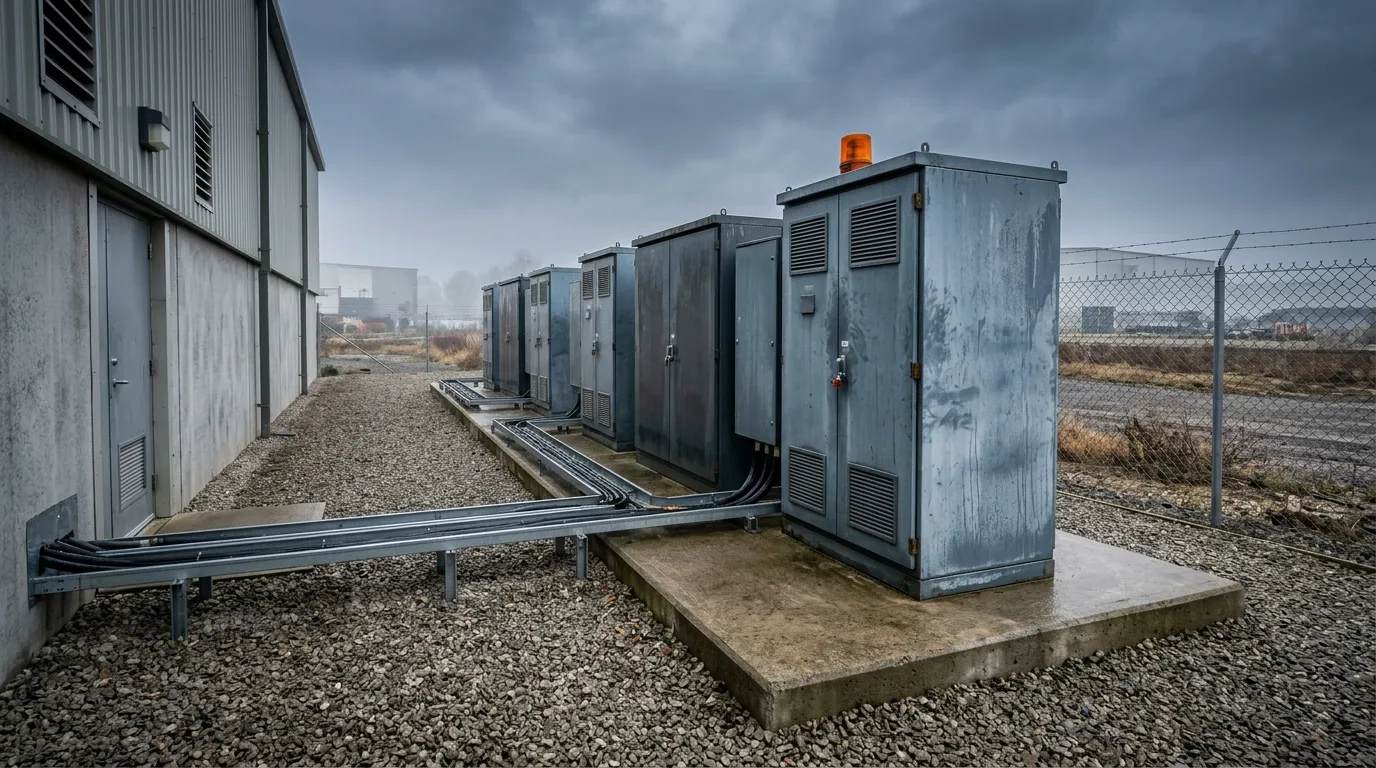
NFPA 855 Battery Storage for Installers
NFPA 855's 2026 edition is current, but the limits here are quoted from the 2023 text: 600 kWh per fire area, 3 ft spacing, Chapter 15 caps and the submittal.
Read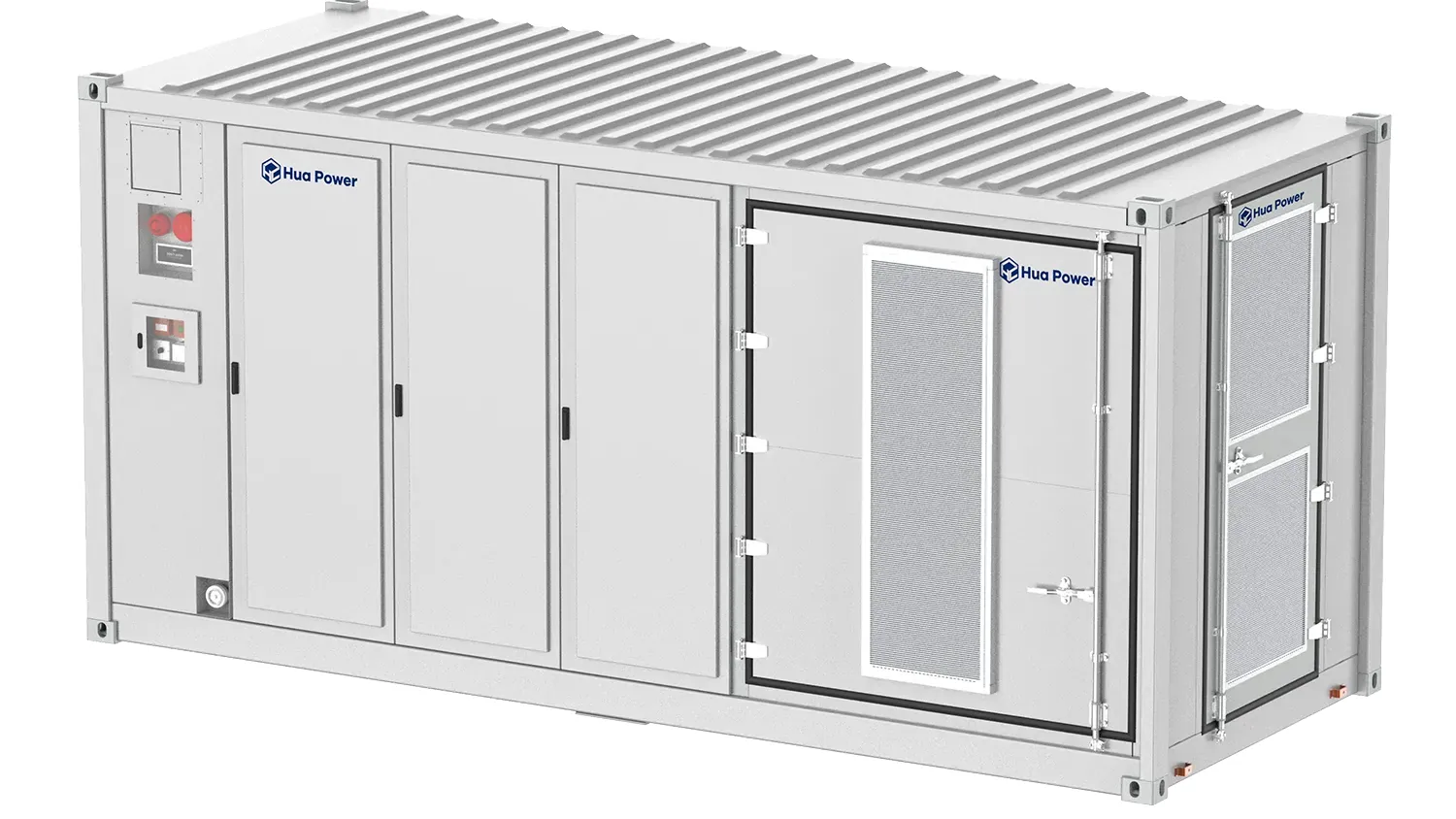
Indiana Battery Storage Project Case Study
Inside a delivered 19.2 MW / 46.9 MWh Indiana battery storage project: how 2.4-hour duration was set, the NFPA 855 and UL 9540A stack, and what to copy.
Read
IRA Tax Credit for Battery Storage Rules
Battery storage still earns the federal investment tax credit in 2026. Here is what changed, who qualifies, and the records a project must keep on file.
Read
A 10 MW California Battery Storage Project
How a 10 MW California battery storage project gets built: interconnection, permits, UL 9540A compliance, incentives, and revenue economics from site to COD.
Read
HC-UPSB5010L UL 9540A Battery Cabinet
A UL 9540A battery cabinet explained: what the test proves, how to verify a test report, and a deep dive on Hua Power's 5.01 MWh liquid-cooled HC-UPSB5010L BESS.
ReadOEM & White-Label
6 articles
China BESS Manufacturers: A Vetting Guide
Most Chinese BESS suppliers look identical online. Use this guide's document dossier, line audit and scoring model to tell a real factory from a trading desk.
Read
How to Evaluate a BESS Supplier: 10 Checks
A 10-point BESS supplier evaluation checklist: the documents to demand for certification, cell sourcing, test data, warranty and delivery — and the red flags.
Read
BESS Cost Breakdown: China Supplier Savings
A seven-line BESS cost breakdown - cells, PCS, enclosure, certification, freight and duty - showing which lines a China BESS supplier's savings come from.
Read
White-Label BESS for Europe: An OEM Guide
How European energy companies and distributors launch a branded BESS: engagement models, EU Battery Regulation and CE obligations, verification, and timeline.
Read
50 kW Hybrid Storage Cabinet: OEM Options
A buyer's guide to 50kW hybrid energy storage cabinets — covering C&I use cases, system architecture, market certifications, and OEM customization options.
Read
C&I OEM Manufacturing: A Sourcing Guide for BESS Buyers
OEM vs white-label vs ODM for C&I battery storage — what to specify, what to verify, real cost and lead-time ranges.
ReadSolar Retrofit
5 articles
Solar Plus Storage ROI: Payback and Returns
Solar plus storage ROI worked line by line: a US commercial payback model with stated assumptions, degradation, demand charges, the 48E ITC, NPV and IRR.
Read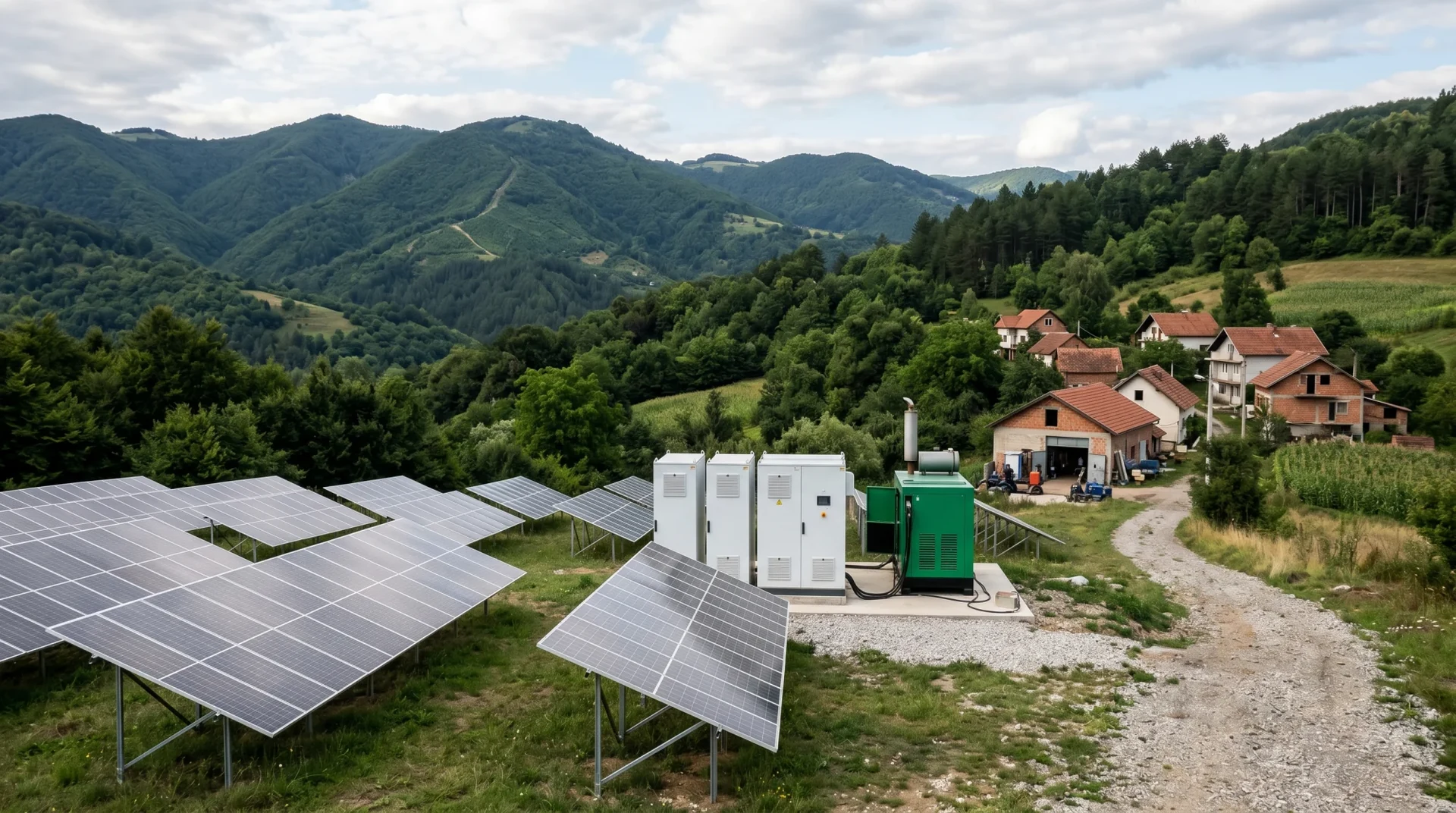
Retrofit Inverter Compatibility: What Fits
Retrofit inverter compatibility, worked through gate by gate: connection point, voltage window, control interface, grid code, backup topology and lifecycle.
Read
HC-UPSA241: AC-Coupled Energy Storage Cabinet
HC-UPSA241 AC-coupled storage, spec by spec: what a 105 kW / 241.152 kWh LiFePO4 cabinet delivers, how it retrofits existing PV, and how to size and verify one.
Read
Fast Solar Storage Retrofit: 7-Day Plan
A fast solar storage retrofit adds batteries to an existing solar system in 7 days: compatibility checks, day-by-day execution plan, costs, and incentives.
Read
AC vs DC Coupled Solar Retrofit
Compare AC- and DC-coupled solar battery retrofits for existing PV: inverter compatibility, backup design, cost drivers, and a practical decision path.
ReadCommercial & Industrial
15 articles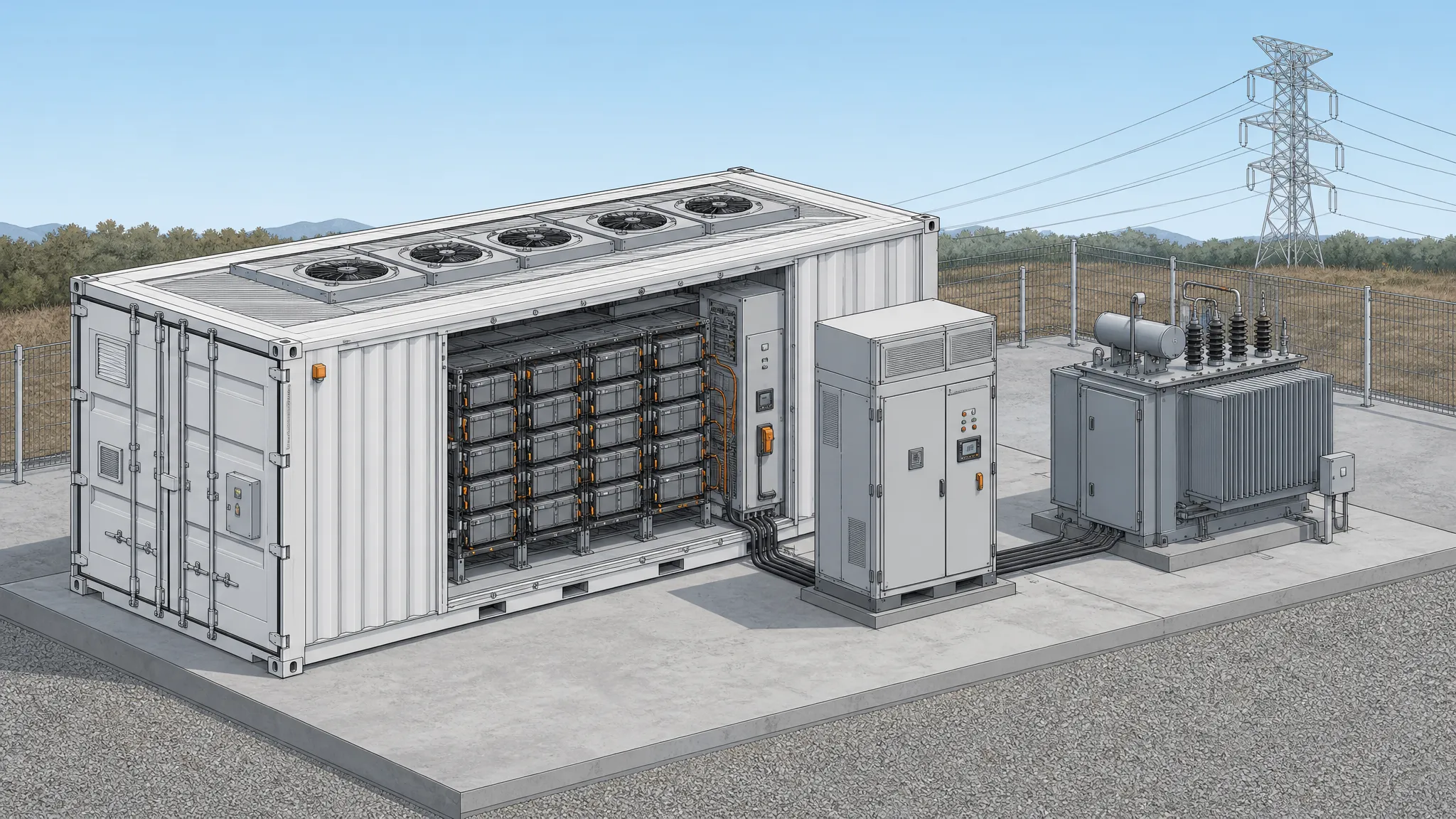
Utility-Scale Energy Storage: BESS Guide
Utility-scale energy storage puts megawatt-hour batteries on the grid: how container BESS works, the specs that decide a project, and how it is scoped.
Read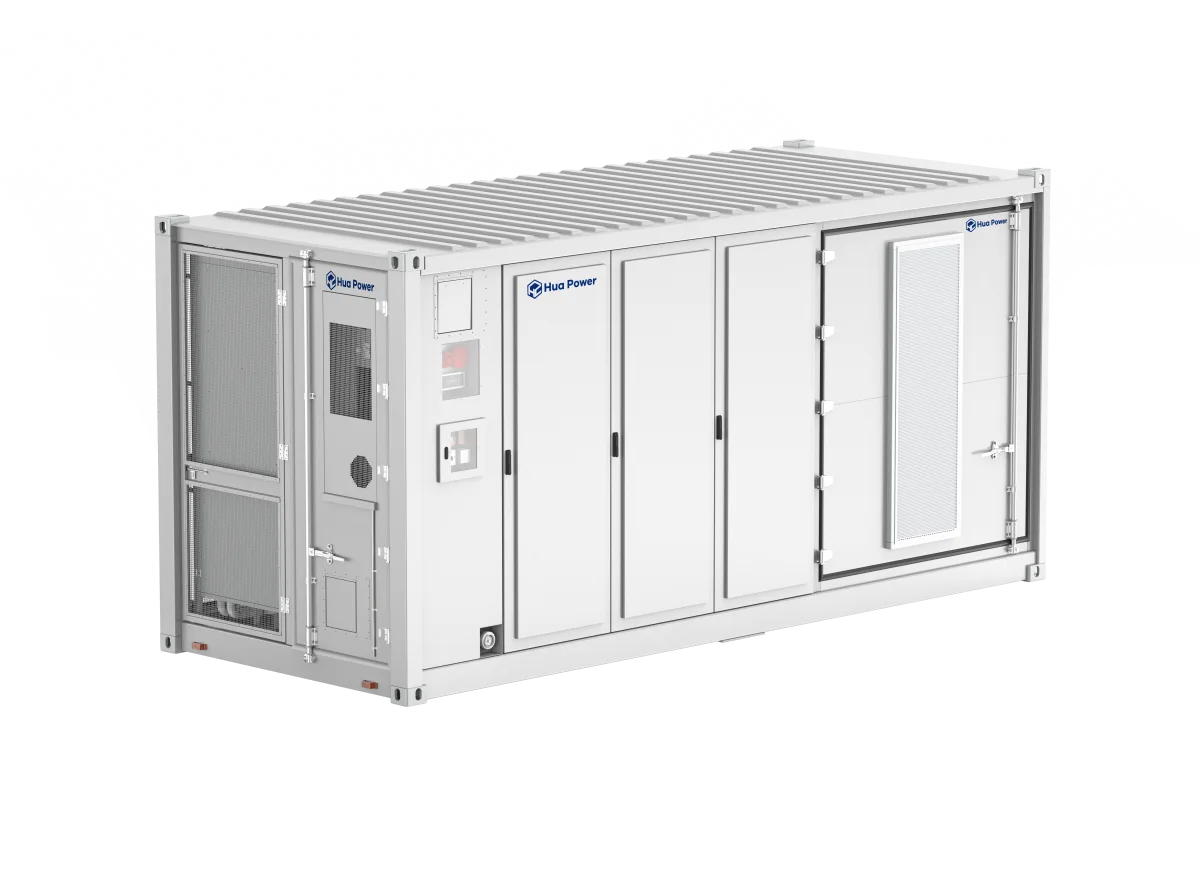
Liquid-Cooled vs Air-Cooled BESS
Liquid-cooled vs air-cooled BESS at 0.5C: cycle life, parasitic load and TCO compared on real Hua Power SKUs, with a decision framework for your project.
Read
LCOS for Utility-Scale Battery Storage: 2026 Cost Guide
Learn how LCOS measures the lifetime cost of utility-scale battery storage. Explore the LCOS formula, 2025 benchmarks, and the key factors that affect cost per discharged MWh.
Read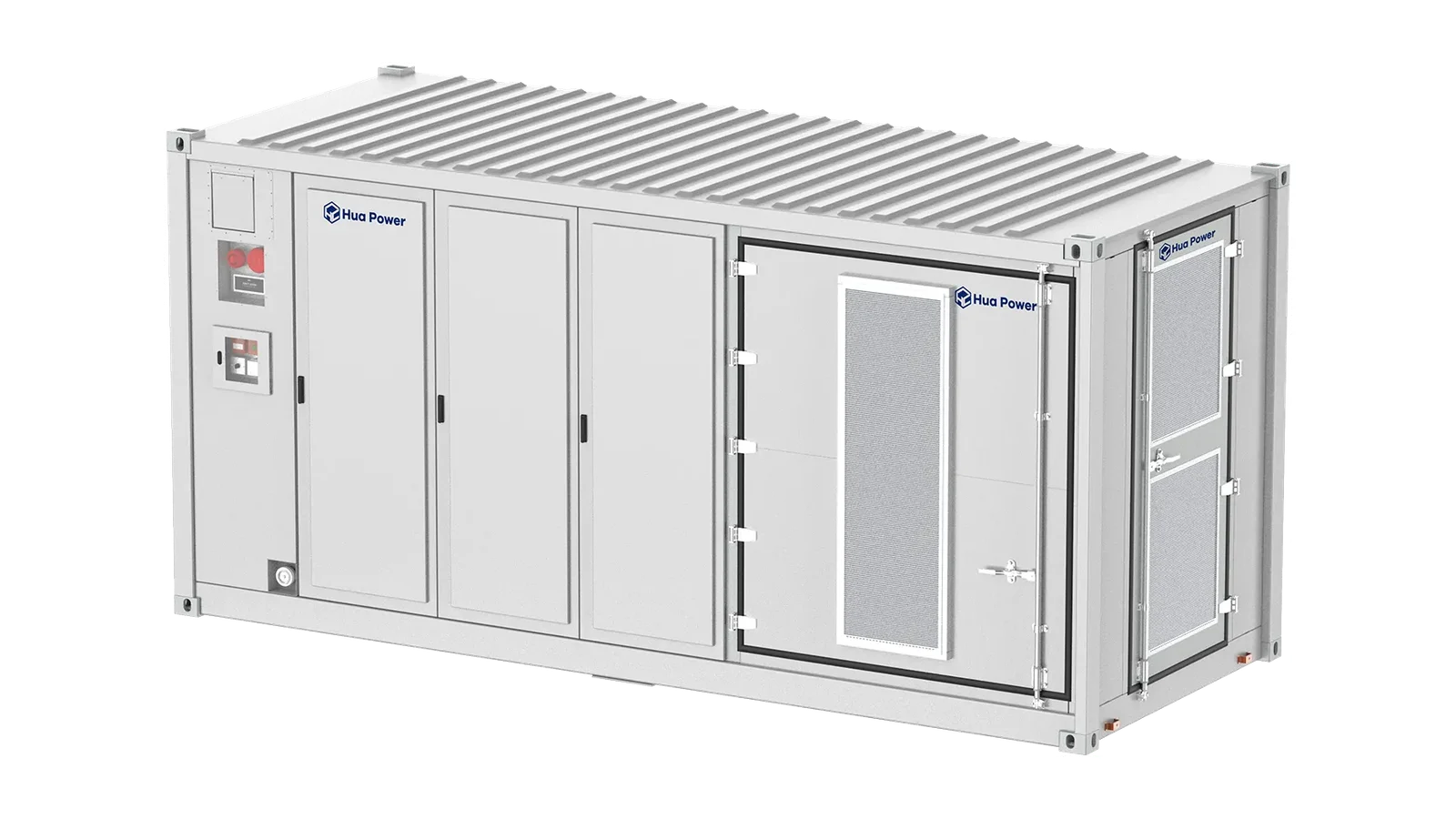
Battery Container Cooling Technology: Air vs Liquid Cooling for BESS
Compare air-cooled and liquid-cooled battery container technology for BESS. Learn about temperature uniformity, parasitic load, energy density, safety, and lifecycle cost.
Read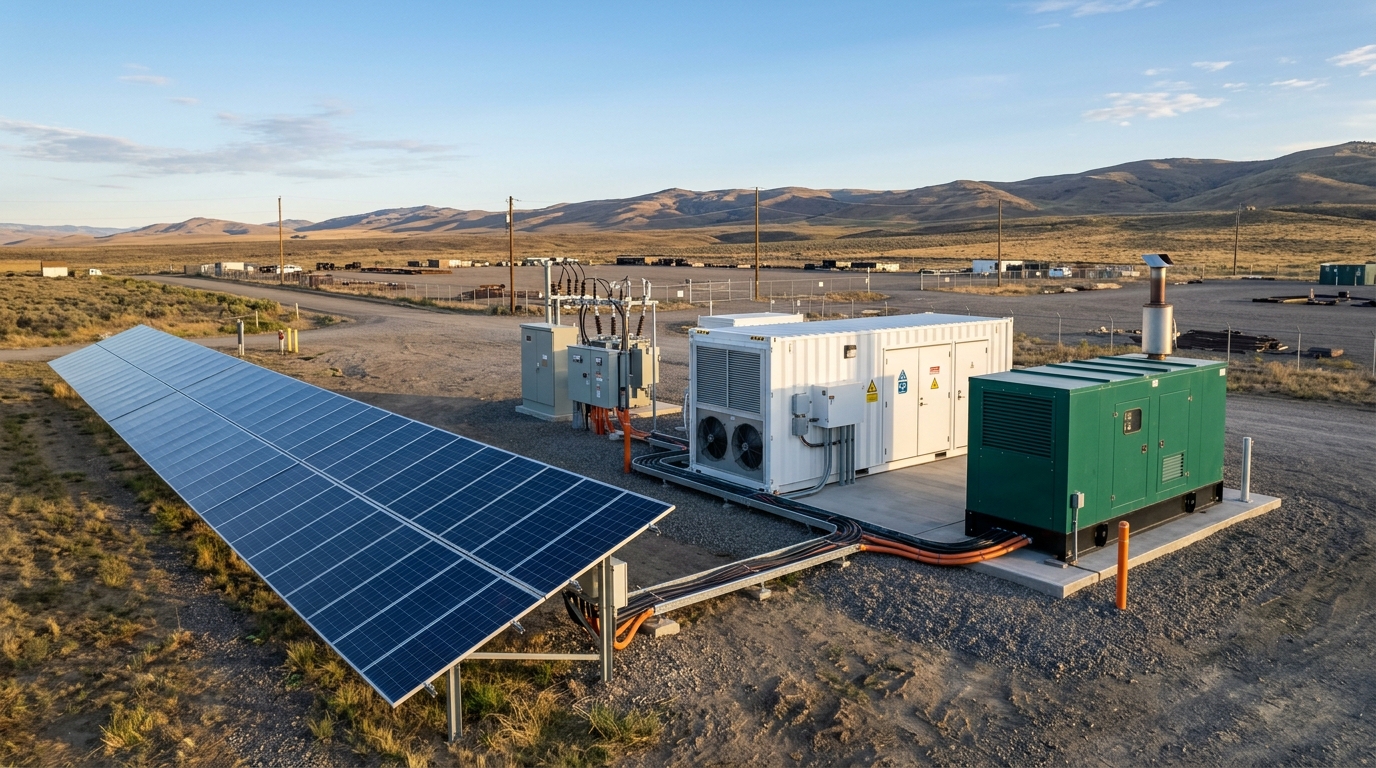
PV Battery Diesel Hybrid System: Sizing, Fuel Savings & BESS Design Guide
Learn how a PV battery diesel hybrid system combines solar PV, BESS, and a genset to reduce diesel use by 40–70%, support off-grid microgrids, and improve C&I power reliability.
Read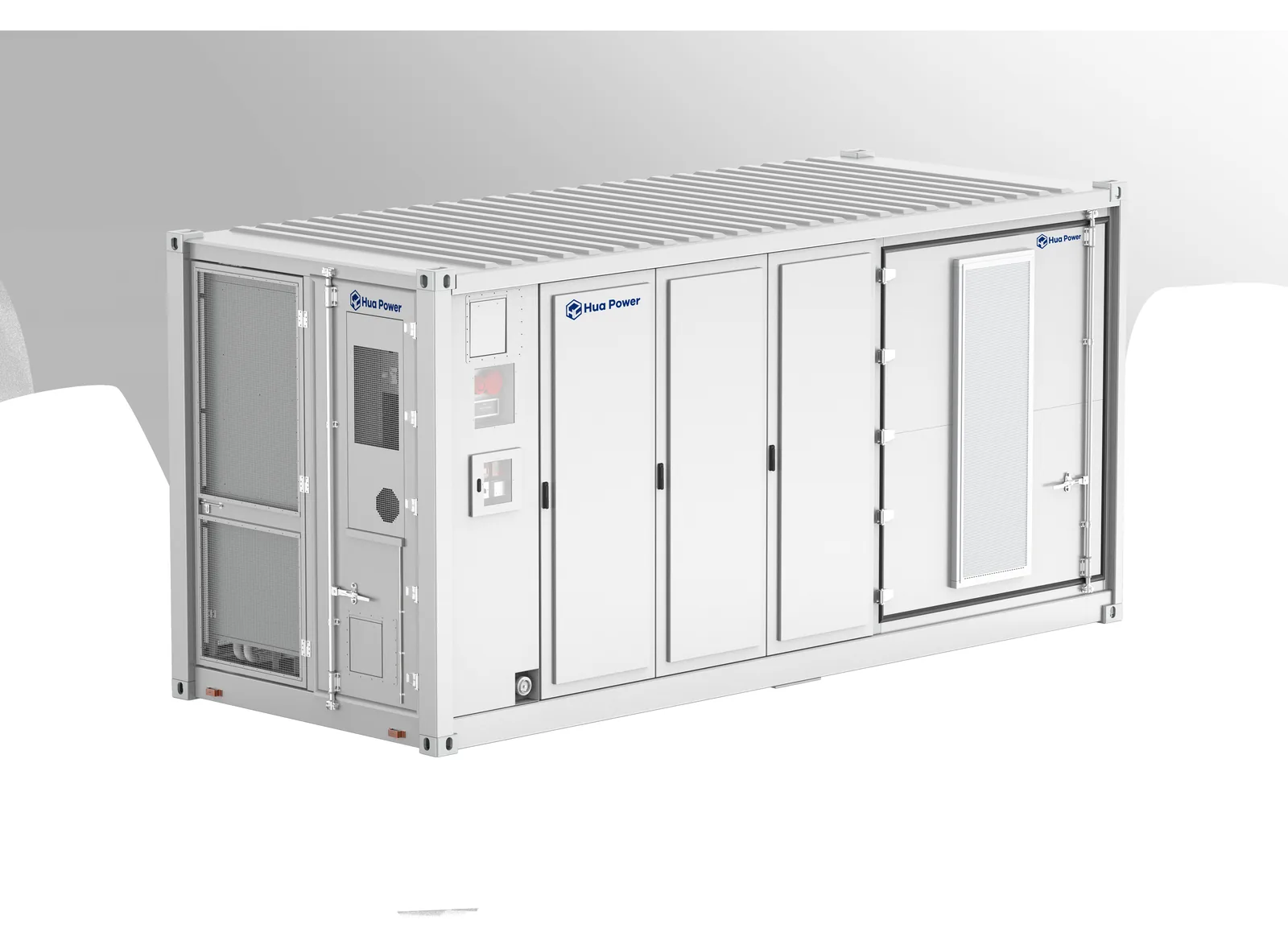
1, 2 & 5 MWh Battery Container: How to Choose (2026)
Compare 1 MWh, 2 MWh, and 5 MWh battery containers by energy density, cooling, PCS architecture, certifications, and total installed cost to choose the right BESS capacity for your project.
Read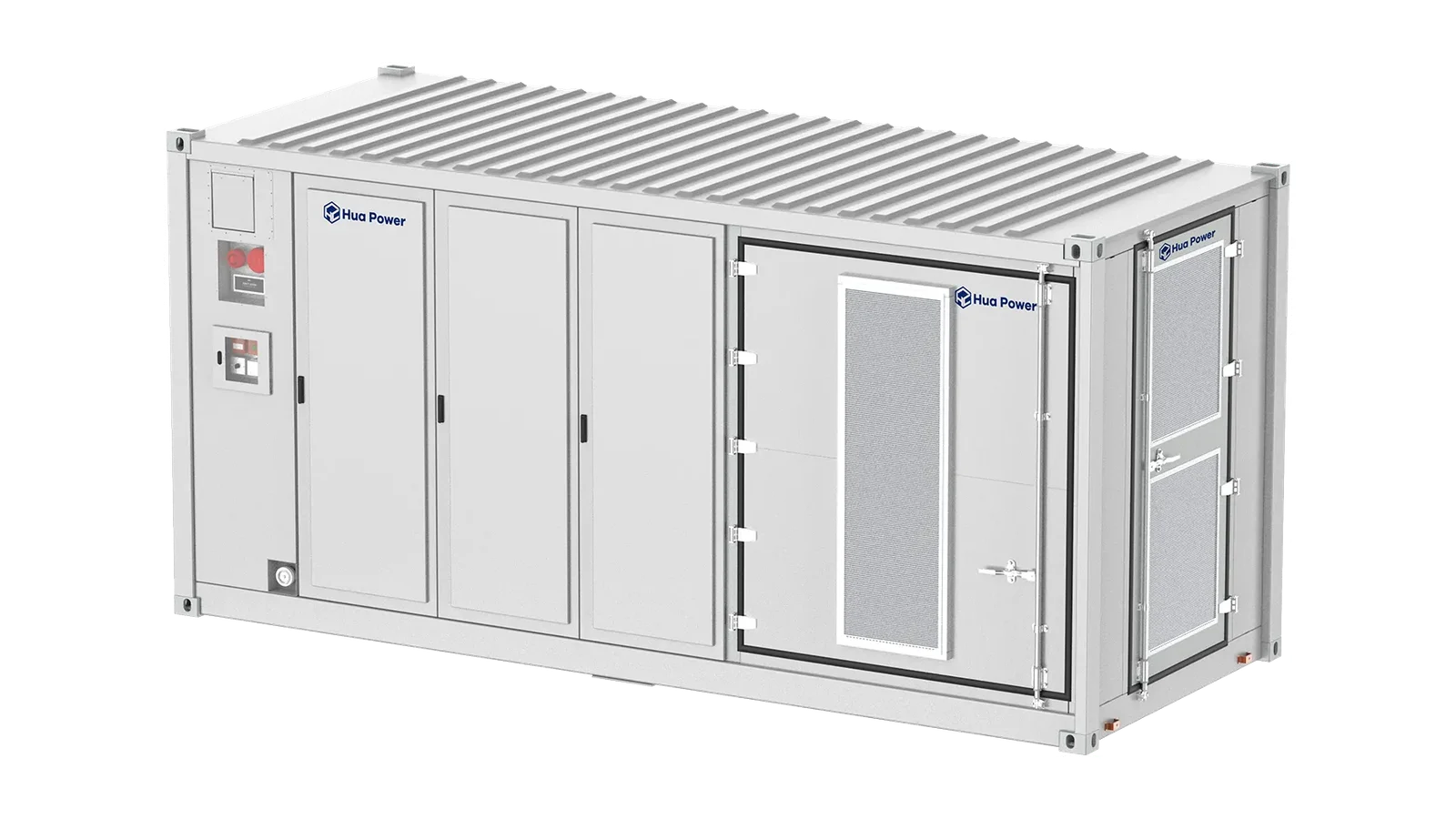
Choosing a Liquid-Cooled Battery Container
How to choose a liquid-cooled battery container: capacity and C-rate, cells, cooling design, certifications, PCS integration, augmentation and lifetime cost.
Read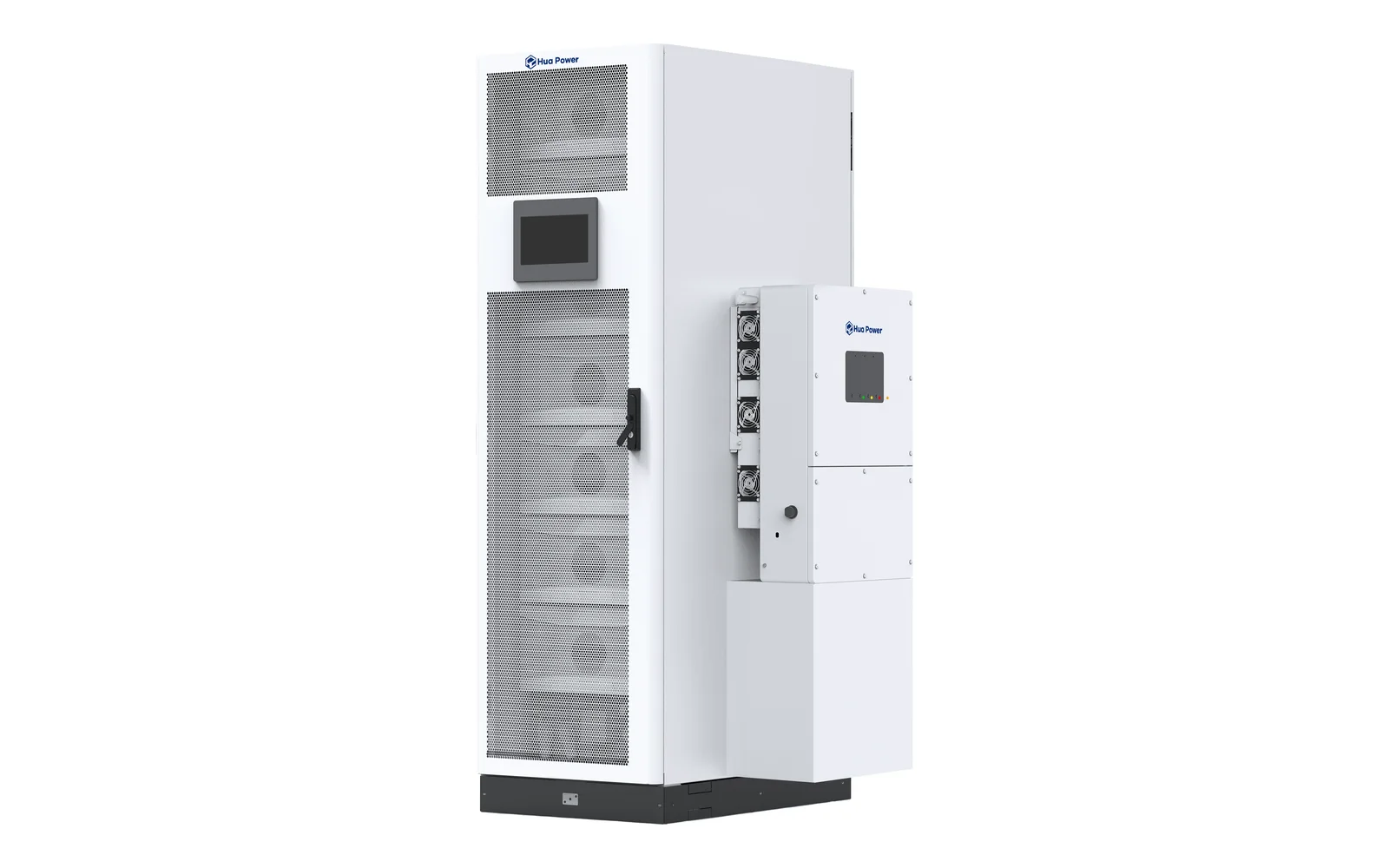
C&I BESS Procurement Guide: A Buyer's Decision Framework
A practical C&I BESS procurement guide covering system sizing, certification, interconnection, warranty, total cost of ownership, vendor evaluation, and a copyable RFP checklist.
Read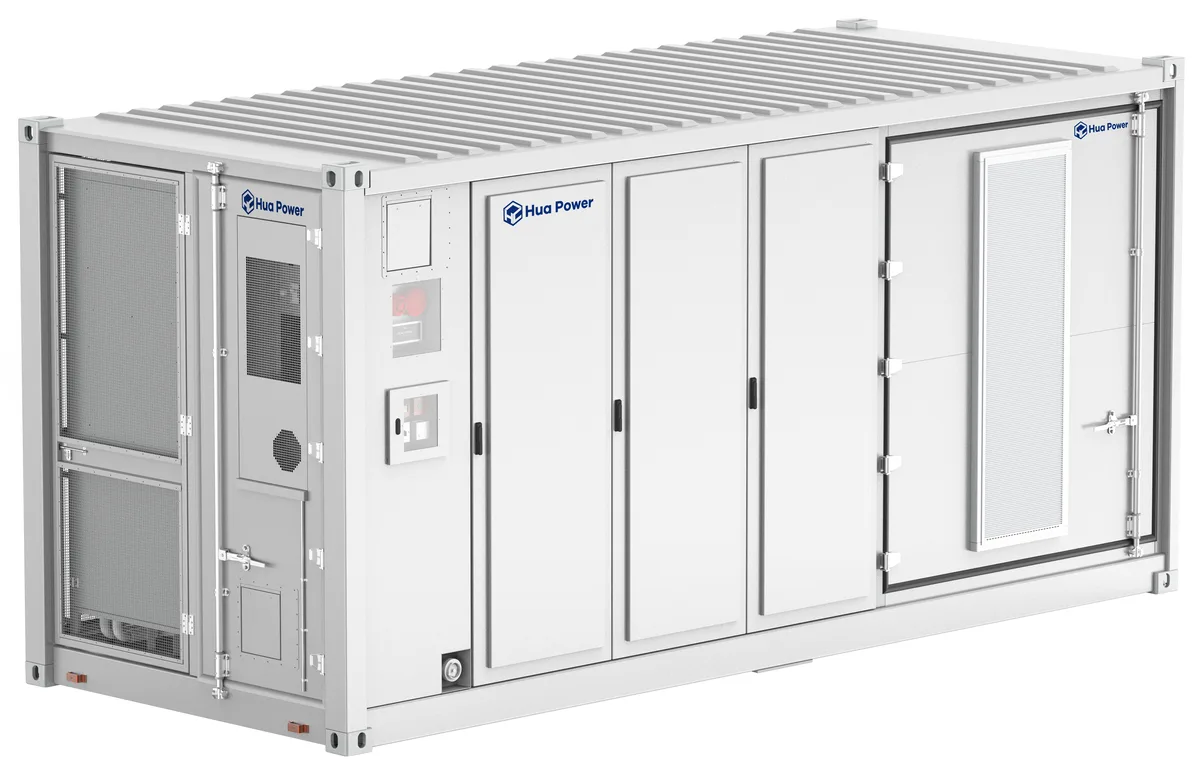
BESS C-Rate Guide: 0.25C vs 0.5C vs 1C — Cycle Life, Cooling & Cost
Compare 0.25C, 0.5C and 1C for C&I BESS: cycle life impact, liquid vs air cooling, duration, and total cost of ownership — with sizing guidance.
Read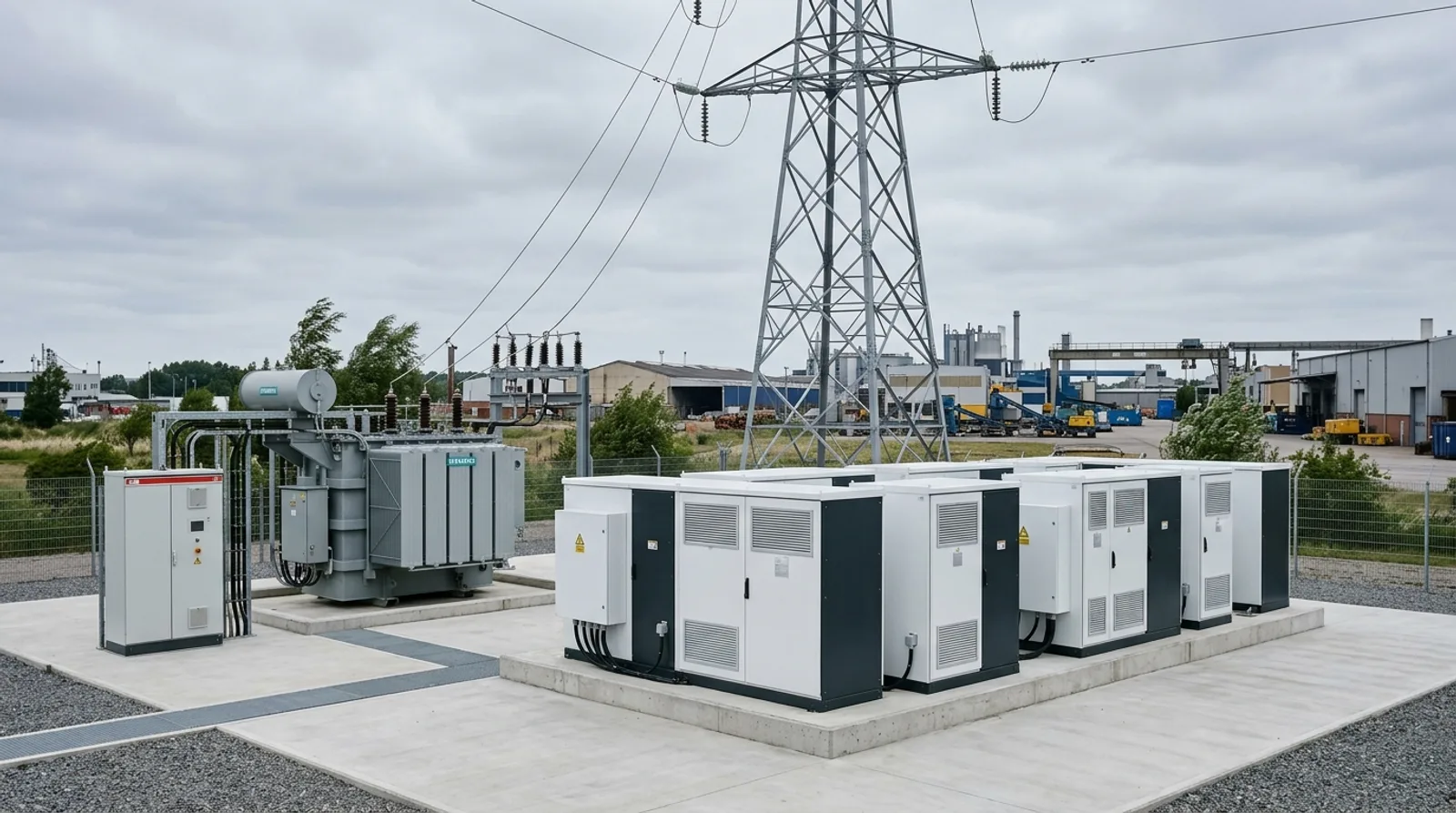
EU Grid Connection BESS Compliance: A C&I Guide
Connecting a battery to a European grid is a compliance process, not a purchase. Here's how RfG classification, EN 50549, and grid codes decide BESS approval.
Read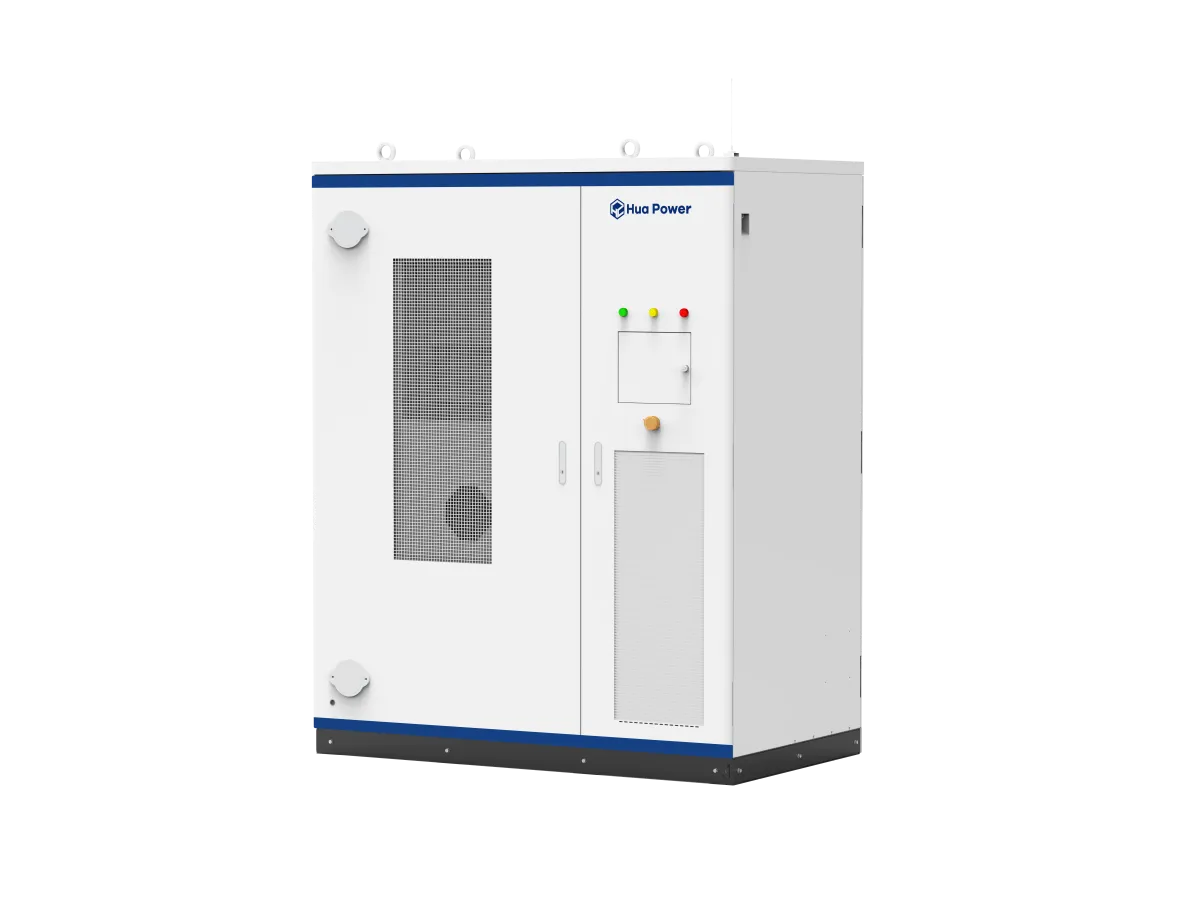
Commercial PCS Selection: A 50–500 kW C&I Guide
How to choose a PCS for C&I battery storage — AC vs DC coupling, string vs central topology, UL 1741/IEEE 1547 certification, and a worked efficiency example.
Read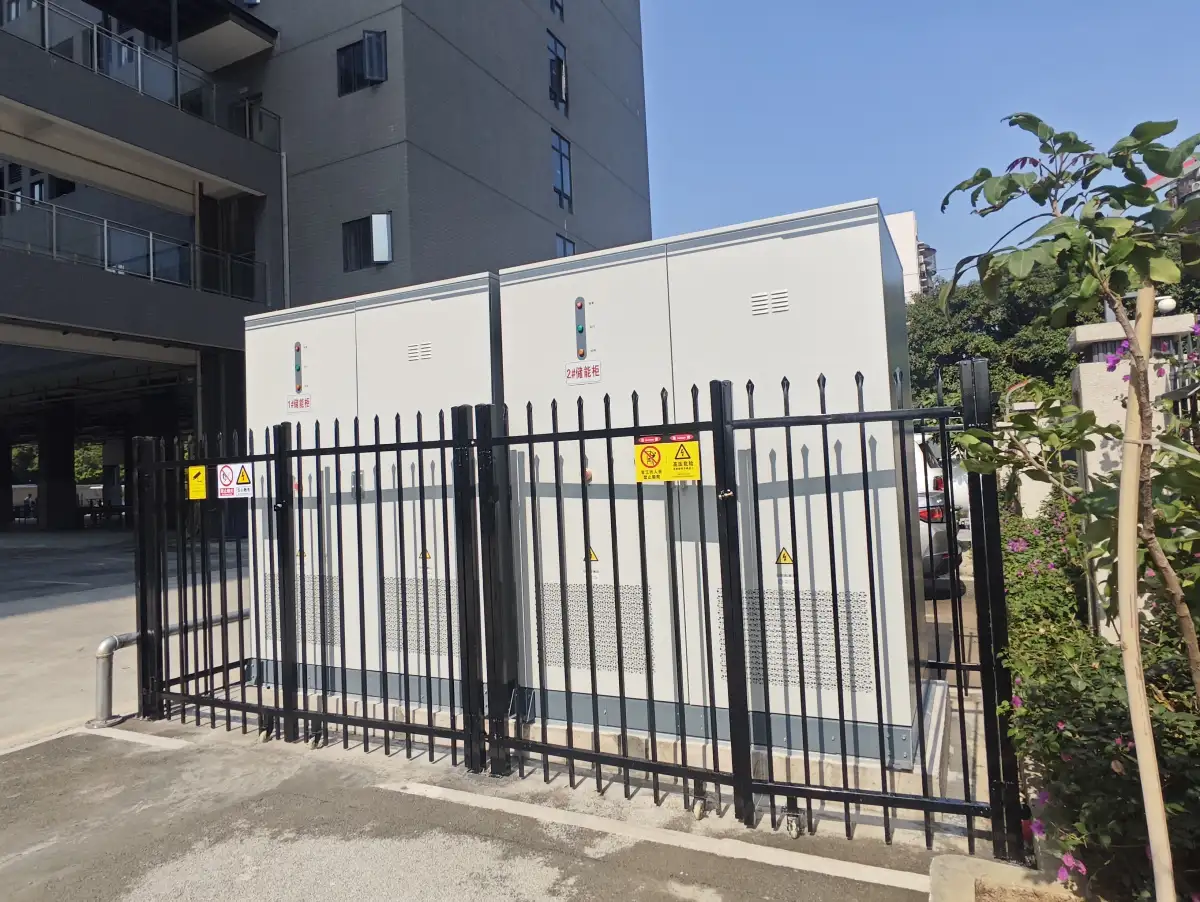
Demand Response With Energy Storage: A C&I Guide to DR Programs
How C&I batteries earn from demand response programs — the DR vs. peak-shaving distinction, who the aggregators are, and what a DR-ready BESS needs to qualify.
Read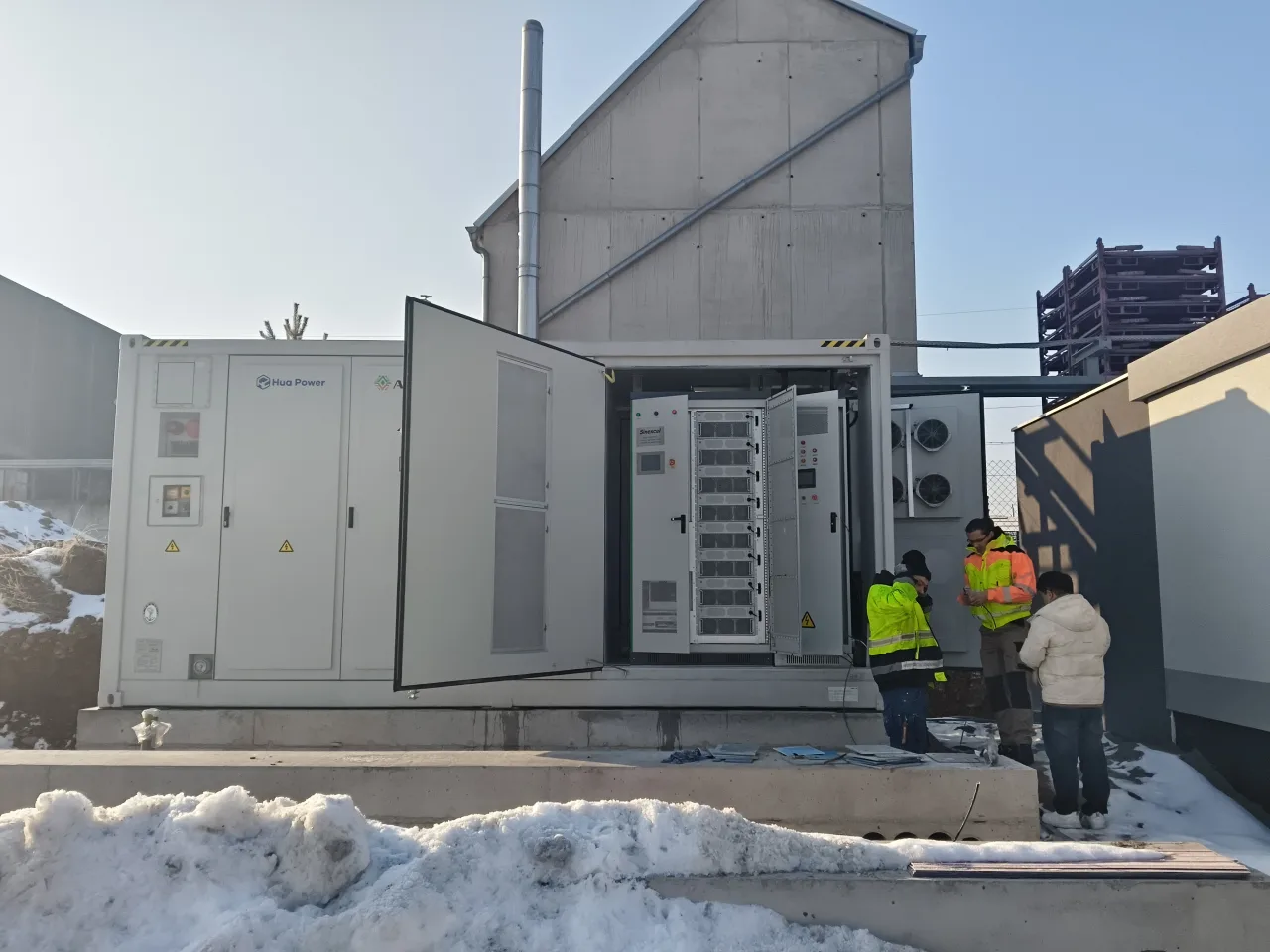
Commercial Peak Shaving with Energy Storage: A C&I Guide
How commercial peak shaving with battery storage cuts demand charges — with a sizing method, a worked ROI example, and a product-fit table for your C&I project.
Read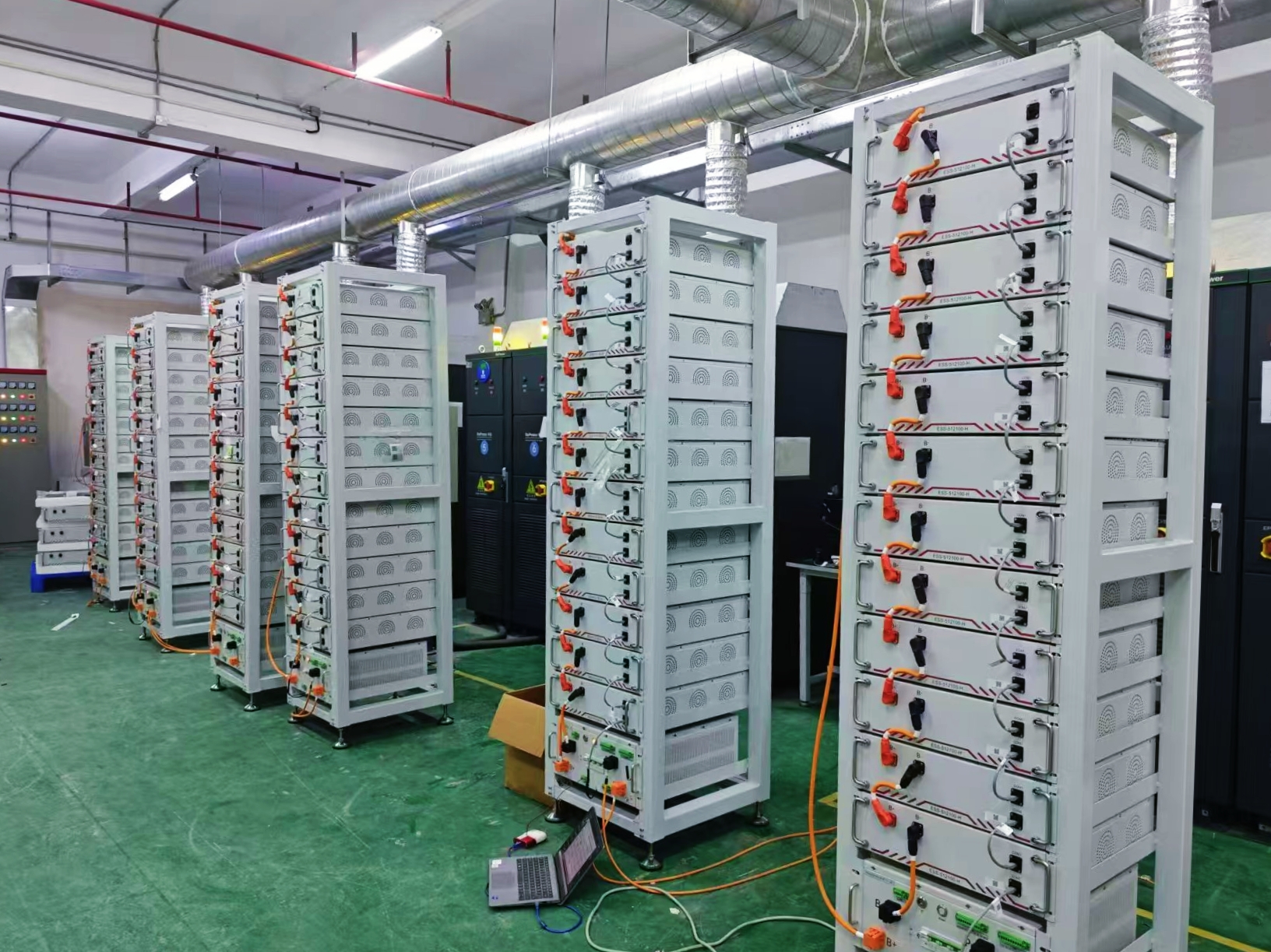
Outdoor vs Indoor Battery Energy Storage Cabinet: Which to Choose
Outdoor vs indoor battery energy storage cabinets compared: IP rating, install cost, climate, fire safety, and footprint — a decision framework for your C&I project.
Read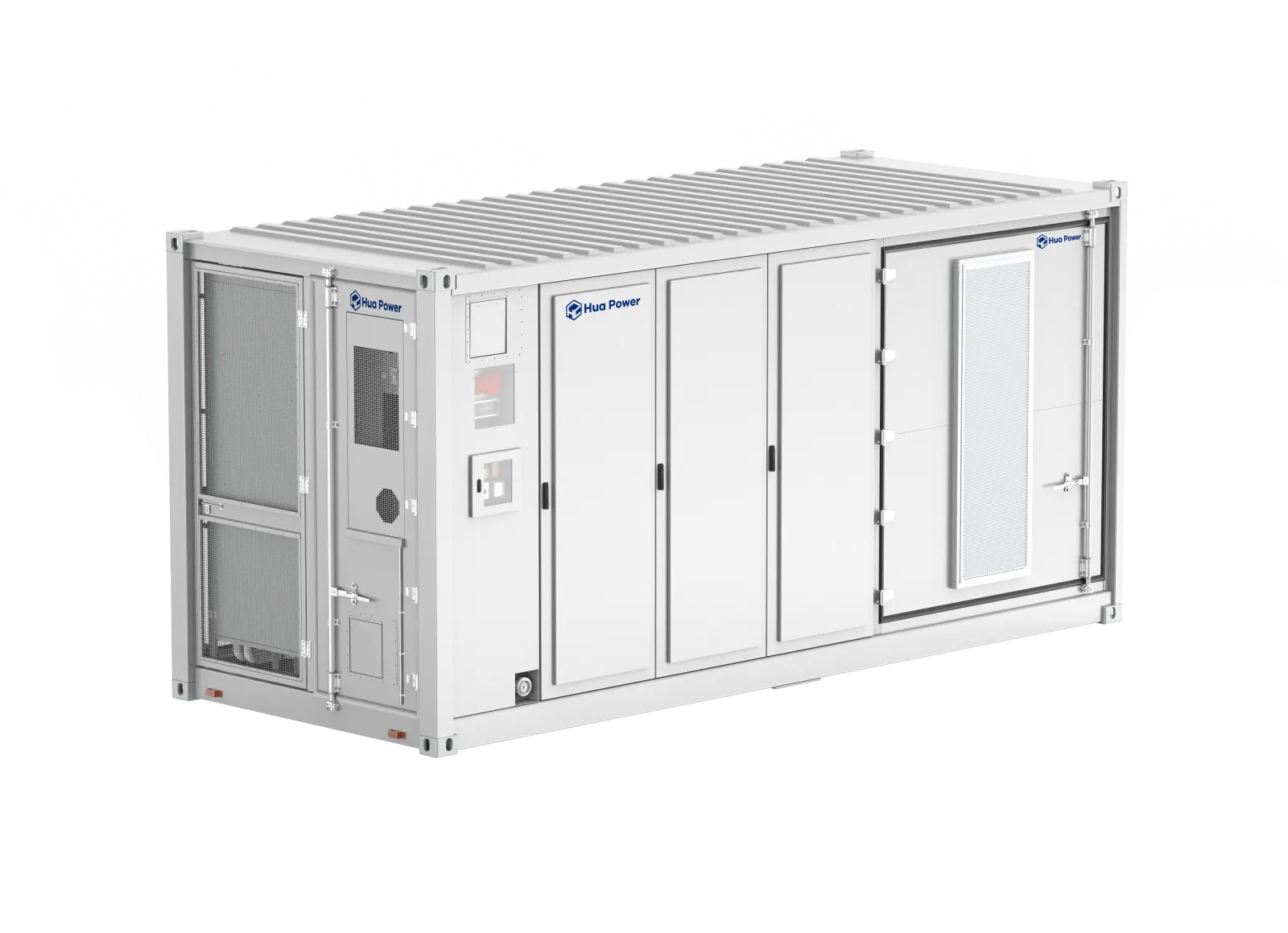
100, 200 or 500 kWh? C&I Battery Storage Sizing Guide
How to choose a 100, 200, or 500 kWh battery storage system: a sizing method, plus how power, energy, and cooling decide which capacity tier fits your site.
ReadMicrogrids
4 articles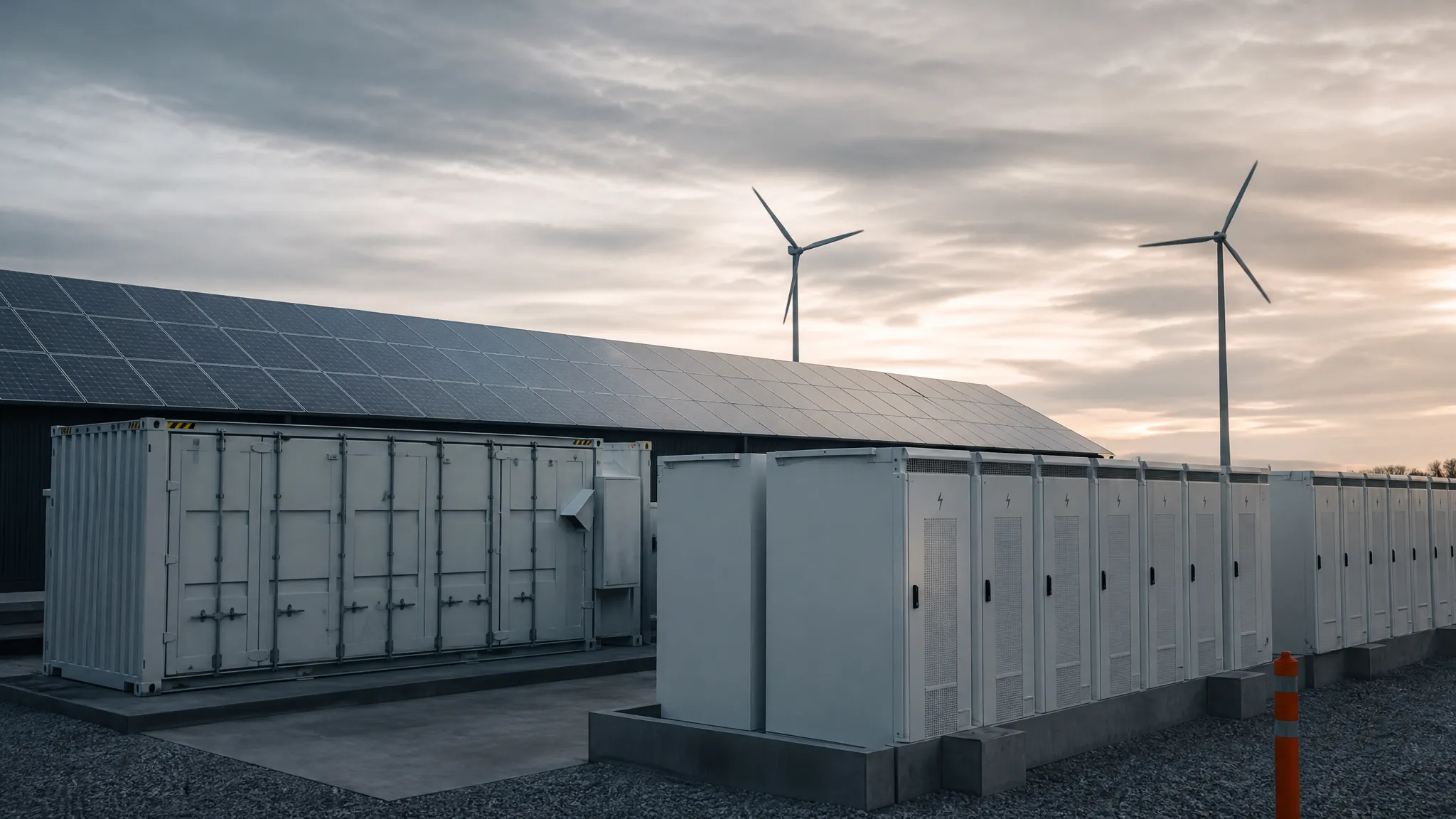
Microgrid Project Case Studies: What Works
Ten publicly documented microgrid project case studies — from campus systems to remote mines — and what their capacities, controls and costs teach buyers.
Read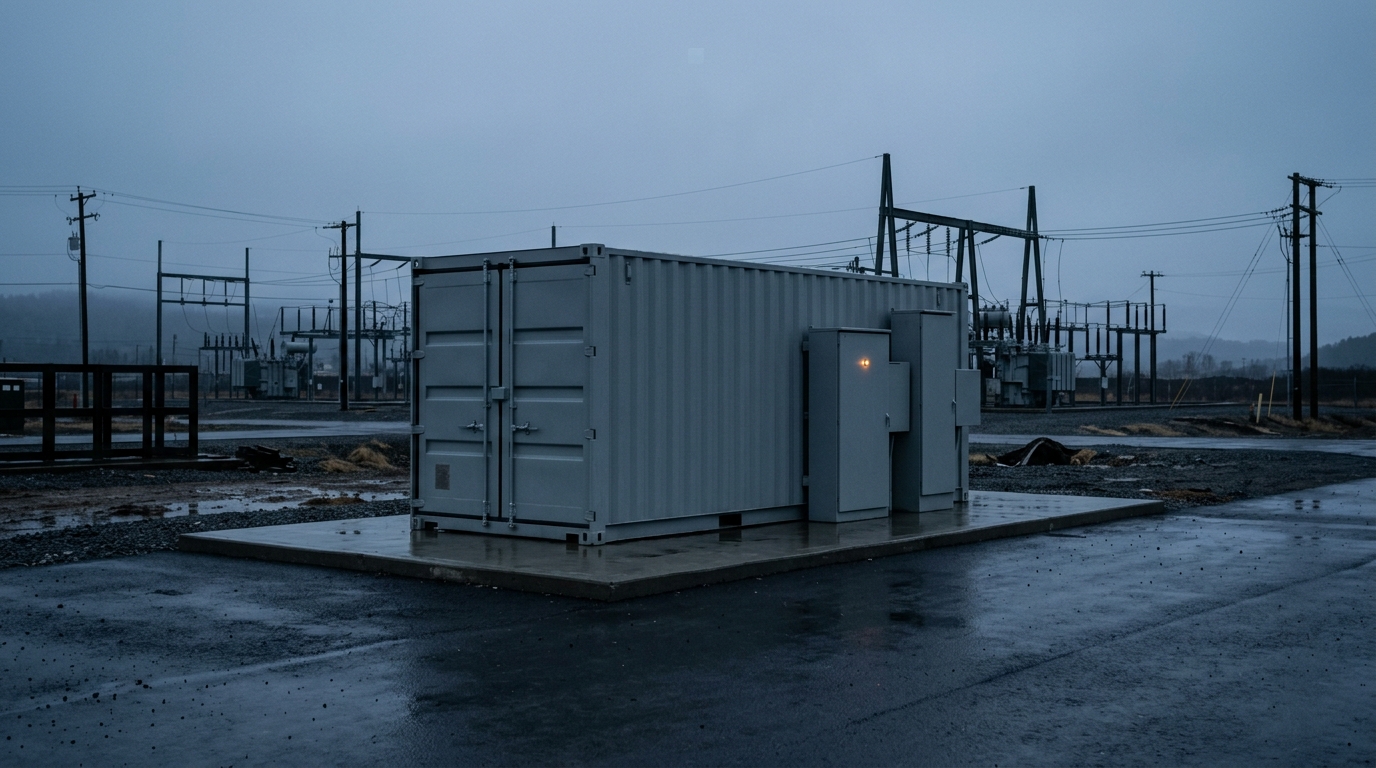
Microgrid Black Start: How It Works and Why
A microgrid black start restarts a dead power system from internal storage. See the five-step sequence, the limits that decide success, and what to specify.
Read
Island Energy Storage Systems Guide
Island energy storage systems cut diesel costs and blackout risk on remote islands. Learn how they work, what they cost vs diesel, and how to choose a supplier.
Read
Mining Microgrid Projects for Remote Sites
Mining microgrid projects deliver reliable off-grid power for remote mines using solar, battery storage and diesel. Includes case data and cost benchmarks.
ReadBattery Basics
5 articles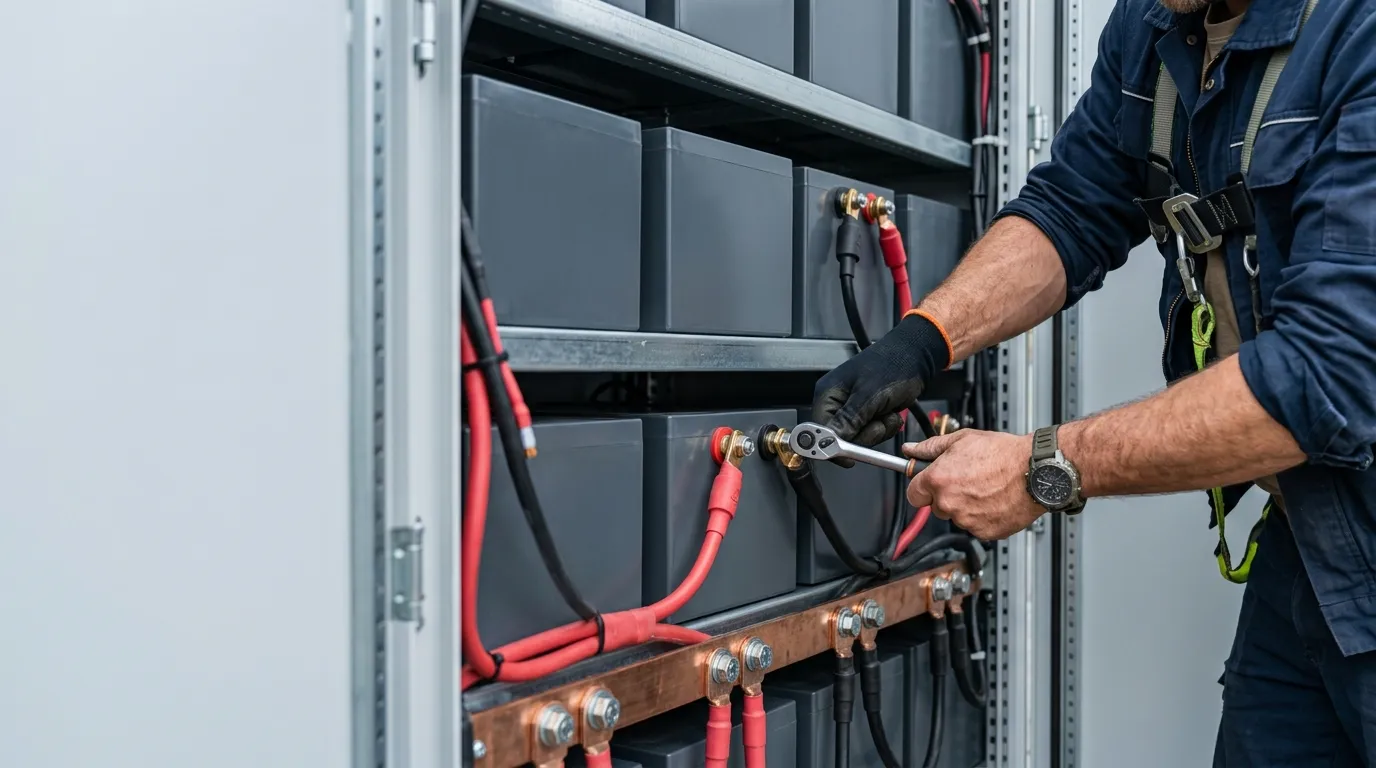
Batteries in Series vs Parallel: A Guide
Series wiring raises voltage and parallel wiring raises capacity. A practical guide to wiring batteries correctly, with matching rules, BMS notes, and safety.
Read
LiFePO4 vs Lithium-Ion: Key Differences
Compare LiFePO4 vs lithium-ion on safety, cycle life, energy density and cost. LFP is one lithium-ion chemistry, not a rival; each one suits different projects.
Read
LiFePO4 vs Lead Acid Battery: Full Guide
LiFePO4 lasts 5-10x longer and delivers nearly double the usable capacity of lead-acid, but costs more upfront. An honest comparison to help you choose.
Read
What Is a LiFePO4 Battery? A Complete Guide
Learn what a LiFePO4 battery is, how lithium iron phosphate compares to NMC and lead-acid chemistries, and which certifications matter when sourcing cells.
Read
What Is a Lithium-Ion Battery? 2026 Guide
What is a lithium-ion battery? Learn how its core components work, key specs like C-rate and DoD, and how it compares to lead-acid options for energy storage.
ReadResidential
11 articles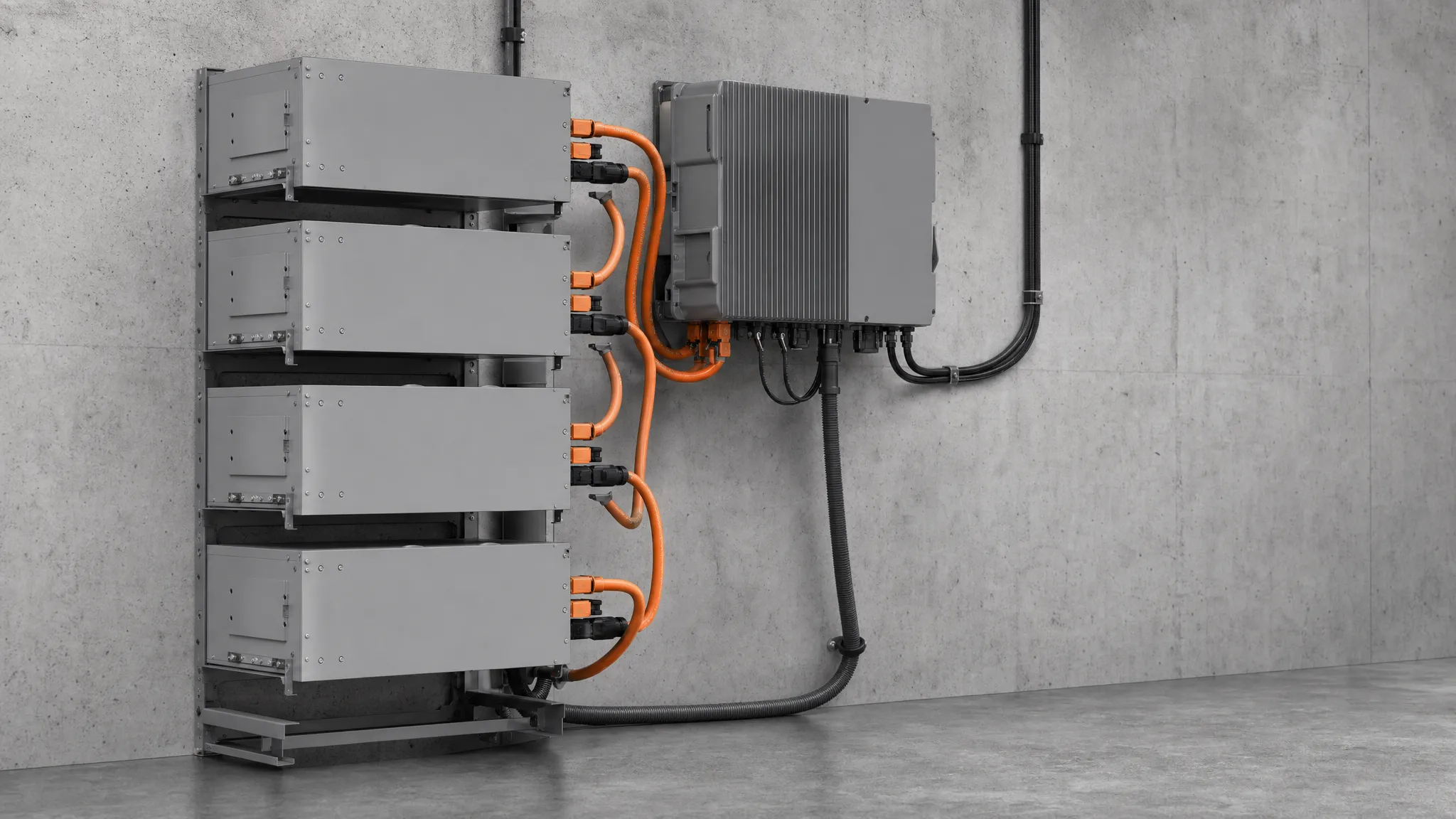
High Voltage Battery Hybrid Inverter Guide
Pair a high-voltage battery with a hybrid inverter: match the voltage window, settle the BMS protocol, then current limits, phase count and certification.
Read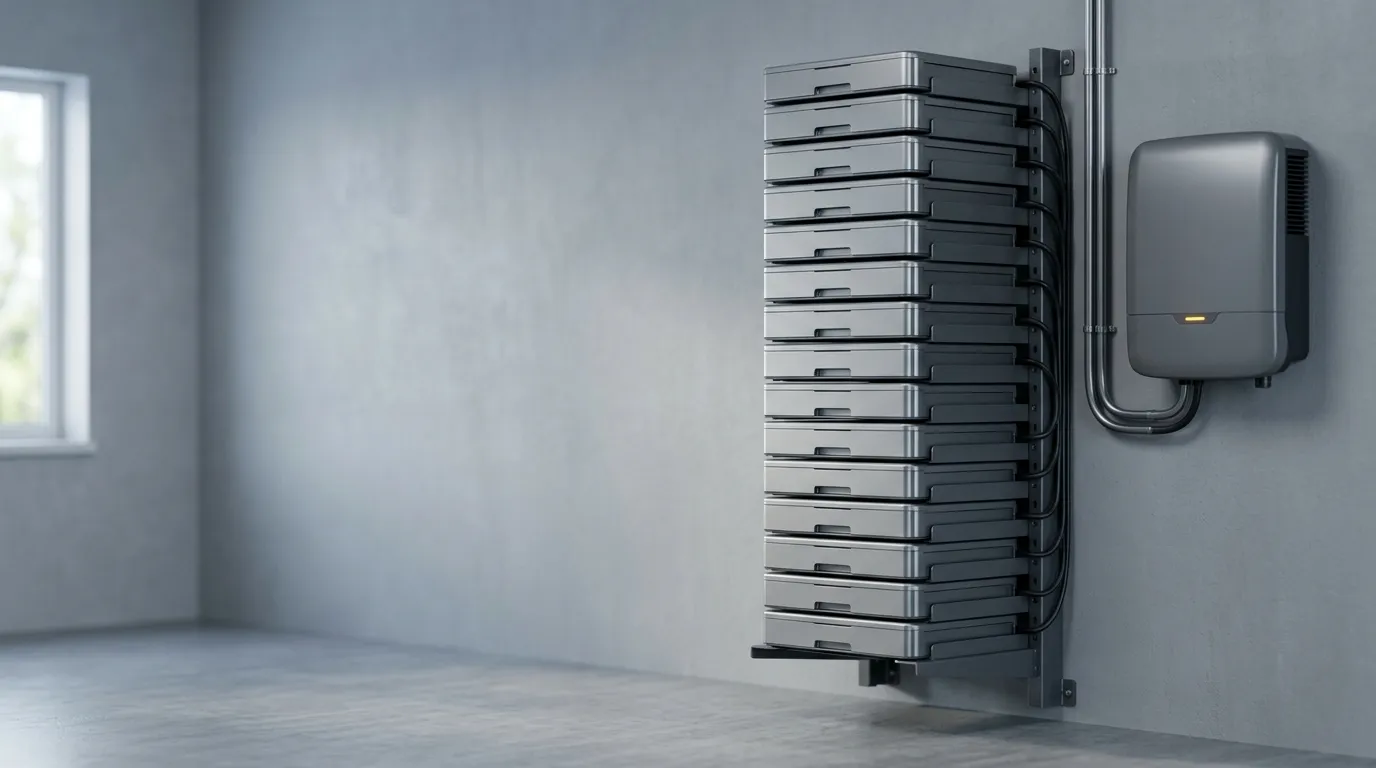
Scalable High-Voltage Battery: 20/30/40 kWh
Choose between a 20, 30 and 40 kWh scalable high-voltage battery: usable energy, module count and the inverter's voltage window, in five decision steps.
Read
High Voltage vs Low Voltage Home Battery
Compare high voltage vs low voltage home battery — efficiency, cost, safety, sizing. Find which voltage class fits your inverter and loads in this guide.
Read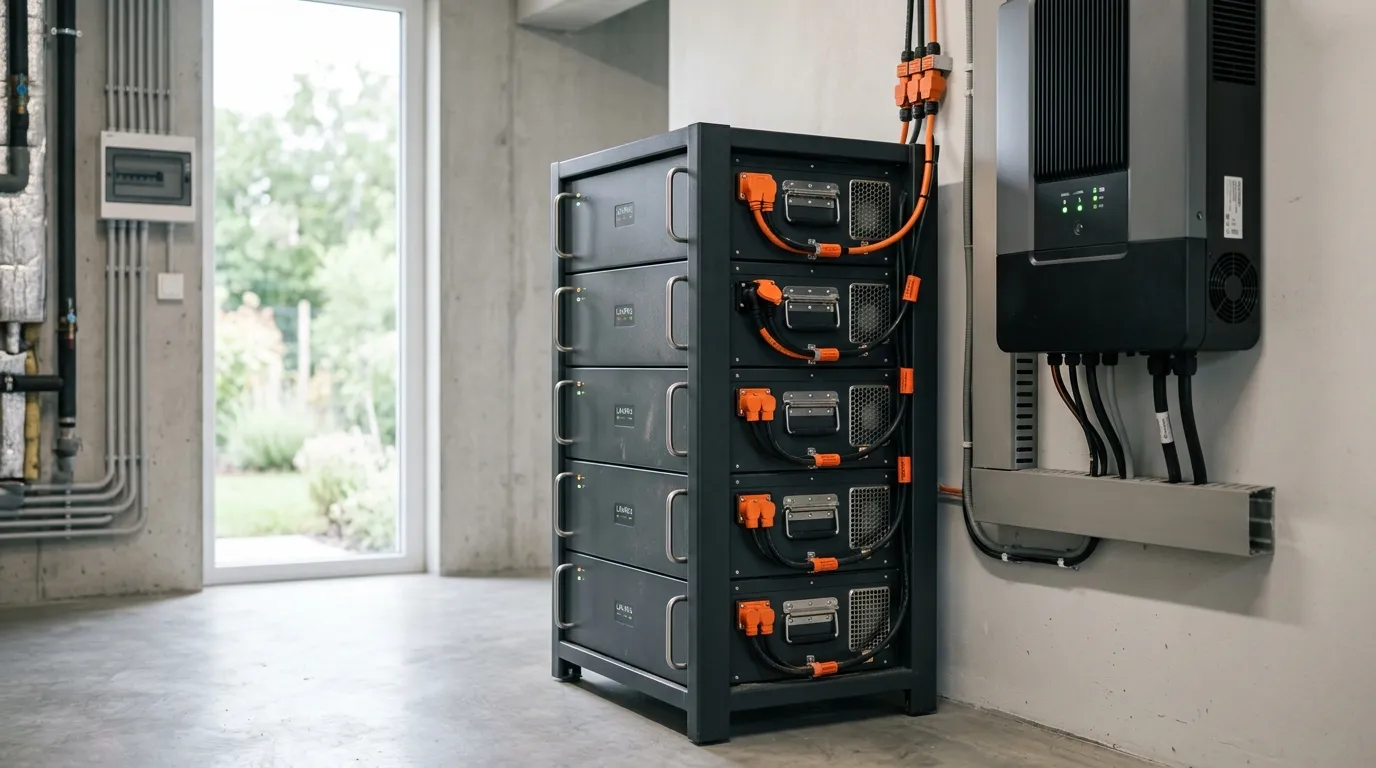
High-Voltage Home Battery Systems
How high-voltage home battery systems work: HV vs low-voltage trade-offs, inverter compatibility, sizing, safety standards, and what a 2026 system costs.
Read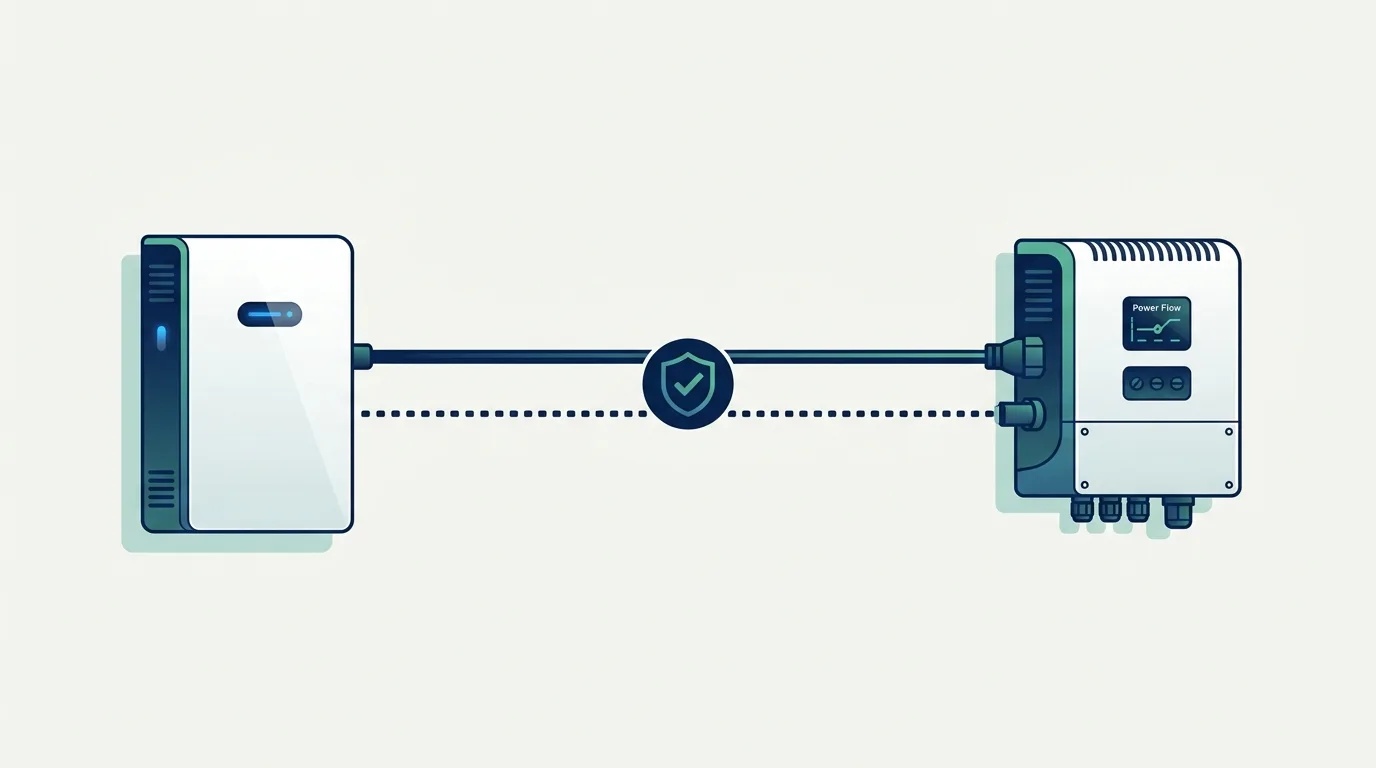
Home Battery Inverter Compatibility (2026)
Not every home battery works with every inverter. This 2026 guide maps 25+ inverter brands — which pair closed-loop over CAN/RS485, and which lock you in.
Read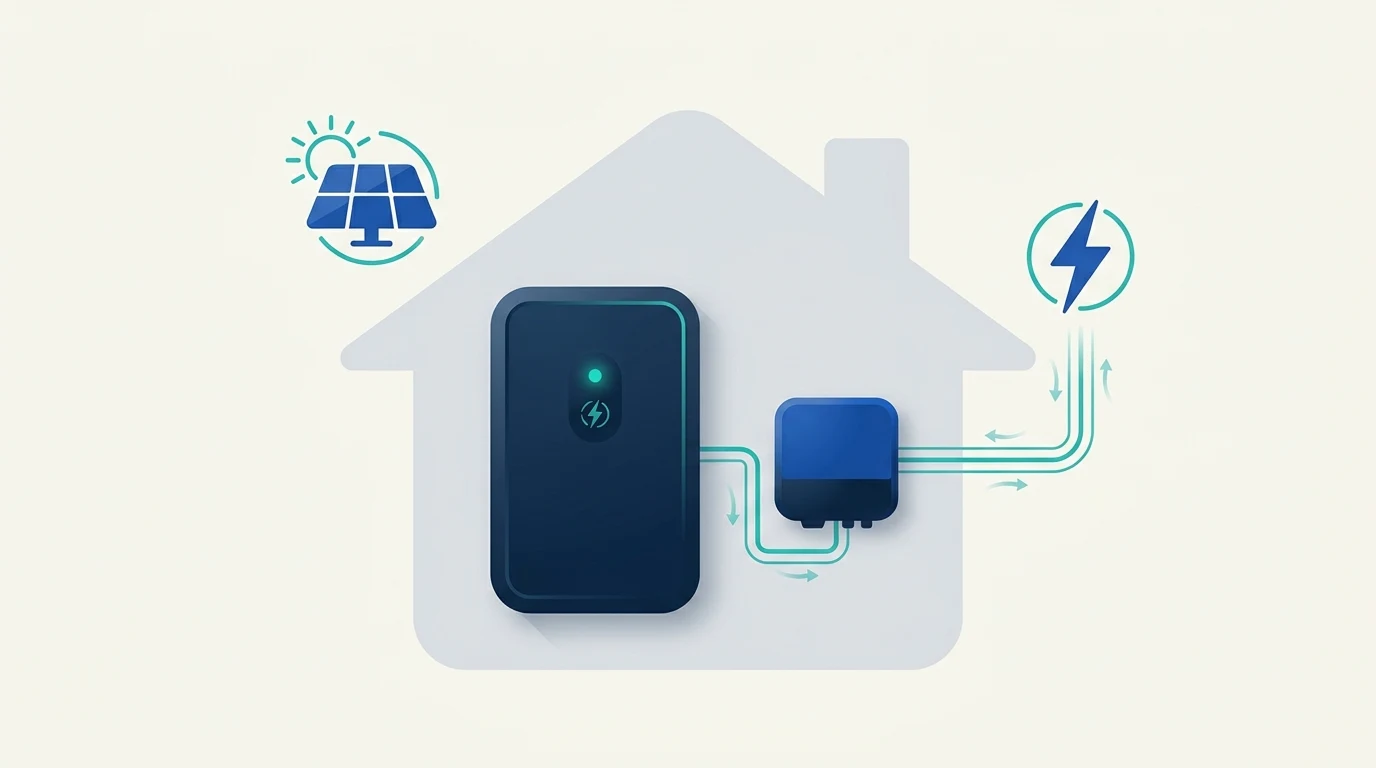
48V LiFePO4 Battery: A Home Buyer's Guide
A 48V (51.2V) LiFePO4 battery buyer's guide: what the voltage means, how to read the spec sheet, the BMS and cells it hides, and matching it to your inverter.
Read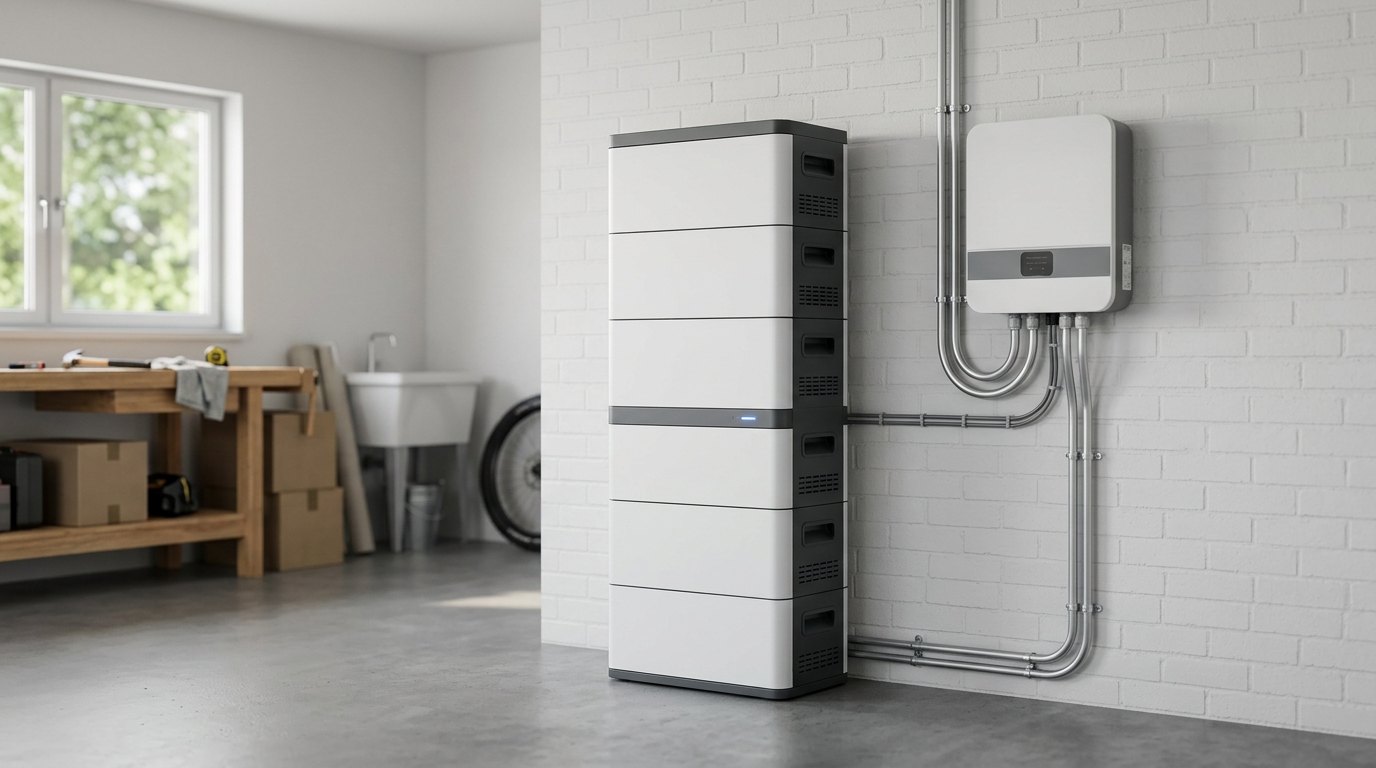
Modular High Voltage Battery System: The Complete Guide
A modular high voltage battery system lets you start at 20 kWh and stack to 40 kWh. See how HV stacking works, how it beats low voltage, and how to size it.
Read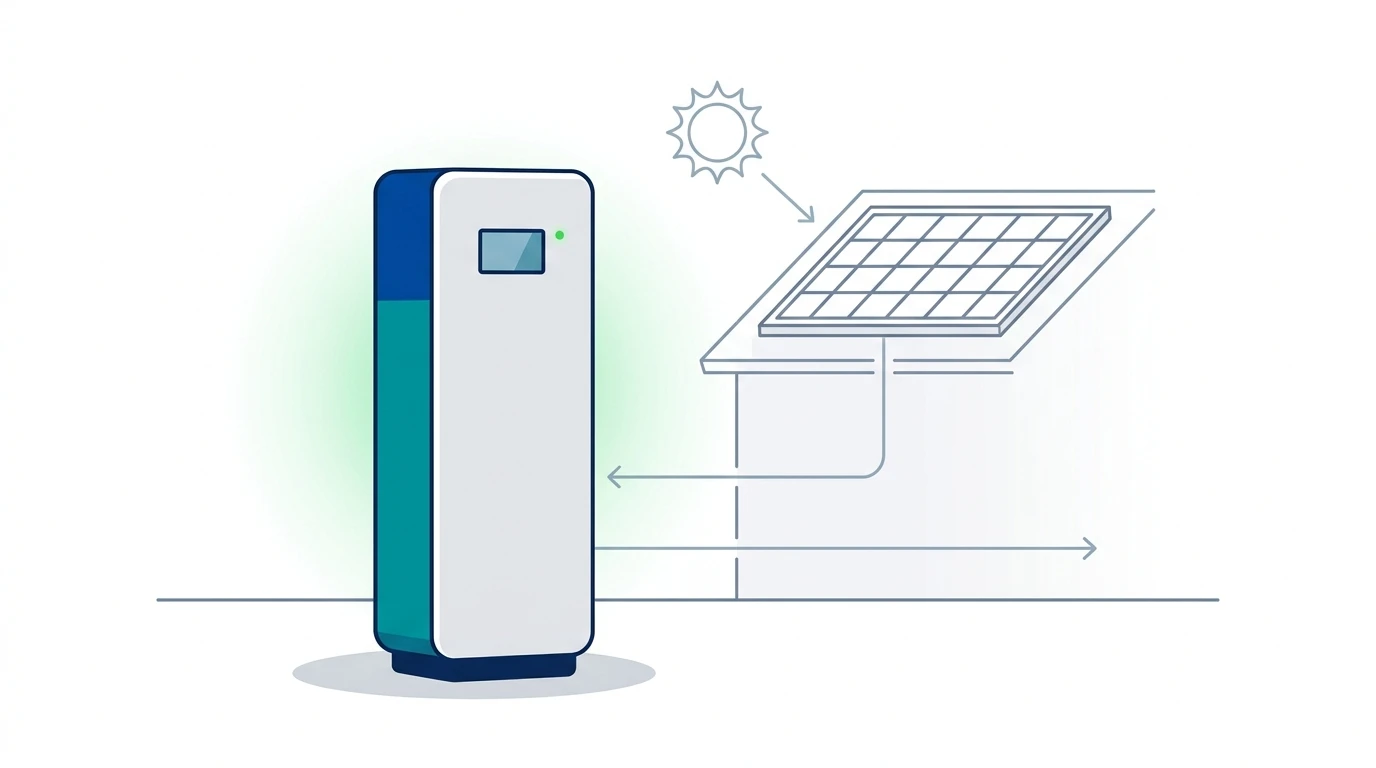
All-in-One Home Battery Review: HC-UPSRAP16I
An honest review of the HC-UPSRAP16I all-in-one home battery: 6 kW inverter, 16 kWh LiFePO4 and solar MPPT in one indoor cabinet — specs, sizing, cost and fit.
Read
Whole Home Backup Battery Sizing Guide
Whole-home backup battery sizing done right: size kWh for how long it lasts and kW for what it runs at once — with a full worked example and load tables.
Read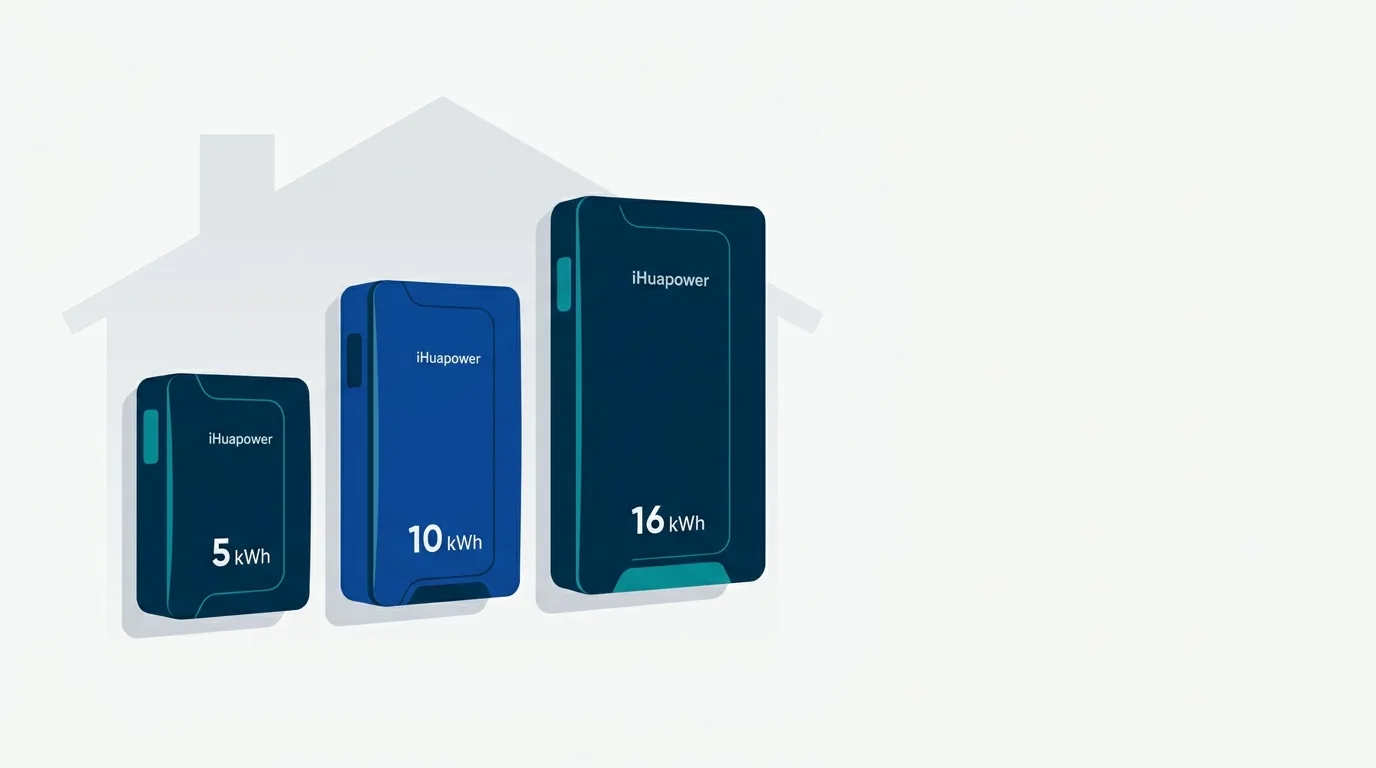
10 kWh Home Battery Sizing: 5, 10 or 16?
Size a home battery in 3 steps, then match your daily use, backup loads and inverter to a 5, 10 or 16 kWh system — with a worked example and runtime tables.
Read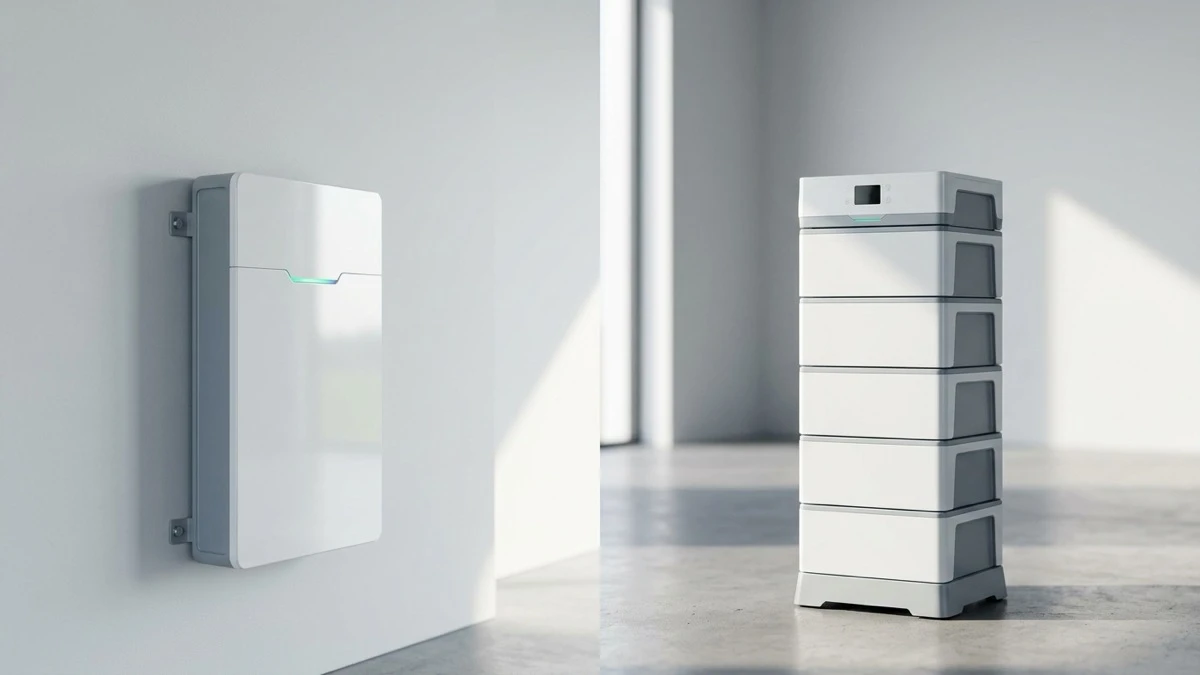
Wall-Mounted vs Stackable Battery: How to Choose (2026)
Wall-mounted vs stackable batteries: compare capacity, voltage, installation, IP rating, scalability and cost to choose the right home energy storage system.
ReadEnergy Management Systems
2 articles
EMS Architecture Whitepaper: Buyer's Guide
Understand the four layers of a BESS EMS platform architecture, what each one means for project economics, and what to check before you download the whitepaper.
Read
Request a Storage EMS Platform Demo
See what a storage EMS demo can and can't prove, how to prepare before requesting one, and five checks separating real optimization from threshold logic.
Read