


Peak management
A dispatch strategy can be reviewed around a demand target and the site tariff structure.

Plan a C&I battery energy storage system around your load profile, tariff, PV and grid interface, backup requirement and site constraints. Compare cabinet, container and PV + battery configurations with the project brief in view.
Use interval meter data to set a demand target, then combine peak shaving, time-of-use dispatch, and PV self-consumption around the actual production load. Start with the tariff and peak shape before selecting kW and kWh.
Coordinate the BESS with the site power architecture for peak management and resilience planning. Critical-load backup requirements, transfer design, and autonomy targets need an engineering review before equipment selection.
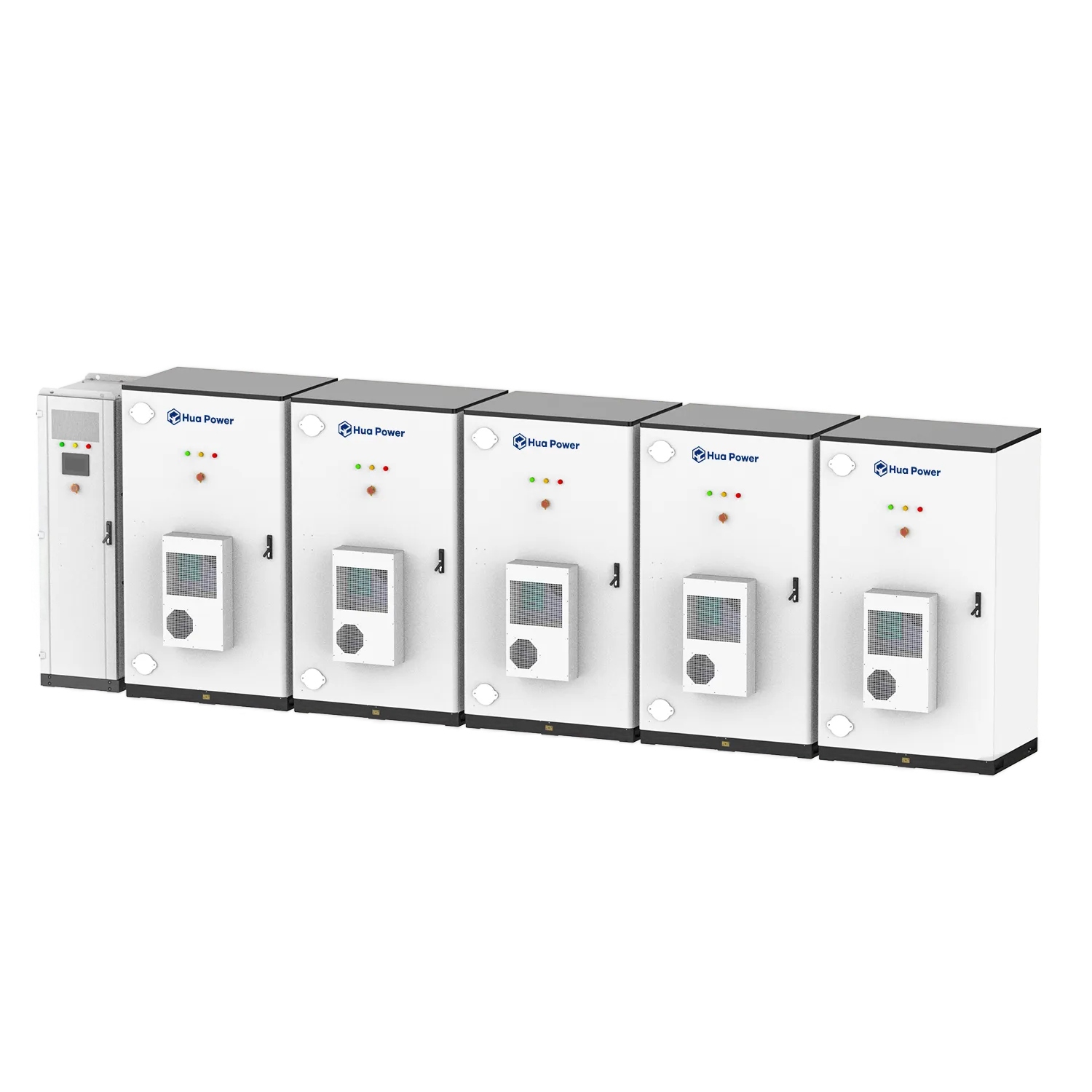
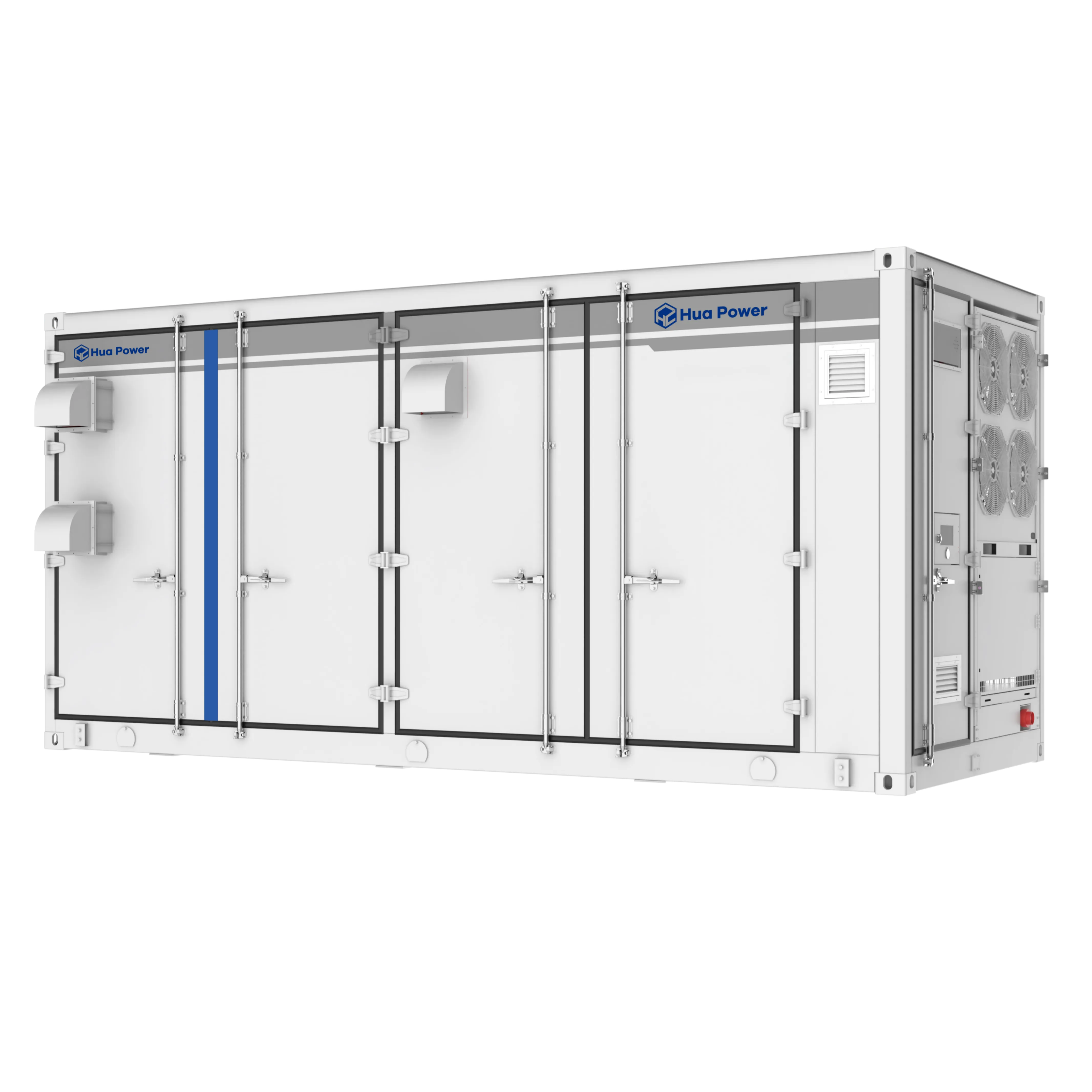
Coordinate PV surplus, EV charging peaks, and building demand with a storage system sized to the site footprint and tariff. A cabinet can suit distributed loads; larger energy blocks can justify a container layout.
Evaluate battery chemistry, BMS protections, thermal design, and fire-system documentation as a system package—not as isolated catalogue claims.
Start from the required power, energy duration, expansion plan, and site access to choose a cabinet or container configuration that can be commissioned and serviced on site.
Configure power, energy, enclosure, grid connection, and operating mode from the site load profile, applicable grid rules, and the intended value stack.
Use the EMS to set demand thresholds, schedule charging windows, maintain operating reserve, and make the assumptions behind projected project value visible.
Compare usable energy, footprint, installation access, and thermal conditions together. Energy density alone does not select the right C&I storage system.
A project dispatch strategy can prioritize peak shaving, tariff arbitrage, PV self-consumption, or backup reserve—but must state which service takes priority when they compete.
Choose a cabinet when the project benefits from modular distributed capacity; choose a container when the required energy, site layout, or deployment plan calls for a larger integrated block. The final fit depends on kW, kWh, duration, access, thermal conditions, and grid connection.
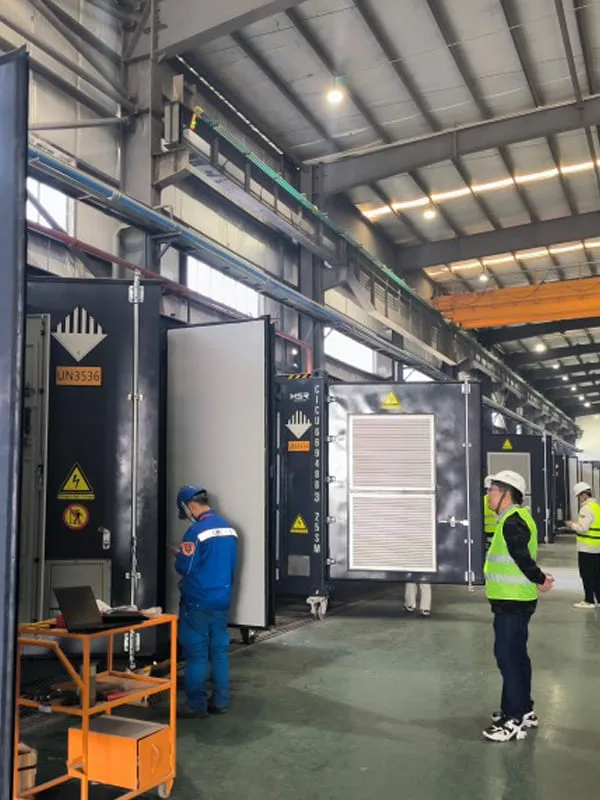
Real-world C&I deployments across China, Europe, and beyond — from cement plants to industrial parks and commercial complexes.
A commercial and industrial battery energy storage system (C&I BESS) is a project-configured battery system that can support peak management, PV self-consumption and backup planning at factories, data centres and commercial facilities. Final equipment, controls and protection scope depend on the load profile, electrical interface, site conditions and applicable requirements.
| System form factors | Cabinet, container and PV + battery configurations |
|---|---|
| Battery chemistry | LFP configurations are shown on relevant product pages |
| Cooling approach | Air-cooled and liquid-cooled product options |
| Typical site contexts | Factories, data centres, commercial facilities and industrial parks |
| Engineering inputs | Load profile, tariff, PV/grid interface, backup requirement and site constraints |
A dispatch strategy can be reviewed around a demand target and the site tariff structure.
Storage controls can be evaluated against PV surplus, onsite load and the electrical interface.
Critical loads, reserve policy and transfer arrangement shape the backup planning discussion.
The form factor is a project decision. Compare energy block size, footprint, access, electrical architecture and future expansion before selecting equipment.
| Site condition | Configuration direction | What to review |
|---|---|---|
| Distributed loads or constrained site access | Review a modular cabinet layout | Check installation routes, service access and electrical distribution. |
| Larger central energy block or open site layout | Review an integrated container layout | Check foundation, transport access, separation and grid connection. |
| PV + storage scope | Match the configuration to the PV interface | Confirm AC/DC architecture and dispatch priorities during engineering. |
| Phased capacity requirement | Review a modular or project-specific expansion path | Keep the electrical and civil plan aligned with the expansion sequence. |
| Final system selection | Complete an engineering review | Power, energy, protection, controls and site requirements are assessed together. |
The following sequence supports an initial C&I storage review. It is not a substitute for electrical, civil, fire-safety or grid-interconnection engineering.
Gather interval load data or utility bills, demand charges and time-of-use periods.
Prioritise peak management, PV self-consumption, backup planning or another defined operating need.
Use the demand target, load shape and dispatch window to review an initial kW requirement.
Review required operating duration alongside usable operating window, reserve policy and battery operating assumptions.
Compare cabinet, container and PV + battery options against access, footprint and electrical interface.
Validate controls, protection, grid requirements, installation conditions and project-specific documentation.
Use these pages to compare system directions and make the initial peak-shaving or financial assumptions visible before a project-specific engineering review.
A commercial and industrial battery energy storage system is a project-configured battery system that can support peak management, PV self-consumption and backup planning at factories, data centres and commercial facilities. Equipment, controls and protection scope are selected around the site and project brief.
Start with interval load data or utility bills, the tariff structure, demand target, PV and grid interface, critical-load requirement, site layout and operating objective. These inputs help define the power, energy duration and control strategy to review.
Cabinets can suit modular or distributed layouts, while containers can suit larger integrated energy blocks and centralised site plans. The appropriate form factor depends on power and energy requirements, access, footprint, expansion plans and electrical design.
kW describes the power the system can deliver or absorb at a given time. kWh describes stored energy. Both values are needed to assess a project because the load profile and intended operating duration determine how power and energy work together.
A C&I battery system can be configured for PV and storage operation when the PV interface, export rules, onsite load and control requirements are reviewed together. The electrical architecture and dispatch priorities should be defined during engineering.
Backup planning starts with the critical-load list, required operating duration, transfer arrangement and reserve policy. Battery capacity, usable operating window and priority loads should be reviewed together rather than inferred from the nameplate rating alone.
Share interval load data or utility bills, the target demand level, tariff structure, backup requirement, PV and grid interface, and site constraints. Our engineering team can return a first-pass power-and-energy configuration; use the Peak Shaving and BESS ROI calculators to make the initial assumptions visible first.
Intelligent energy storage systems deployed across 30 + countries since 2015.
Get in Touch