

How to Evaluate a BESS Supplier Without Scoring Everyone
There is no shortage of advice on how to evaluate a BESS supplier; what is missing is a checklist that says which document to demand for each claim, and where to verify it. Most shortlists fail for a simpler reason than price or technology: the buyer scored five vendors on a spreadsheet, and every column was filled from the vendor's own sales deck.
Run the process in the other order. Put a hard gate on each of the ten checkpoints below. Any supplier that cannot produce the named artefact for a checkpoint is removed from the list, without a score, without a discussion. Only the survivors earn weighted points — and usually that means three or four suppliers, not six.
This is the process a BESS buyer or OEM partner can run before signing a supply agreement, not after delivery. It is deliberately document-first, because the difference between two quotes that look identical on a datasheet is almost always buried in paperwork that one supplier can produce on request.
The timing pressure is real rather than rhetorical: storage is now a mainstream asset class in the markets most of these projects are financed in, whether you follow SEIA's energy storage programme or the U.S. Department of Energy's Office of Electricity, and a procurement process that assumes every shortlisted vendor is what its brochure says it is will not survive contact with a construction schedule.
The 10-Point BESS Supplier Evaluation Checklist
Each row names the artefact that decides the checkpoint and the condition that ends the evaluation.
# | Checkpoint | Demand this artefact | Eliminate if |
|---|---|---|---|
1 | Supplier qualification | Legal entity name, business licence, ownership of the plant that will actually build the units, management-system certificates (ISO 9001, ISO 14001) with scope and validity dates | The contracting entity is not the certificate holder and no explanation is offered |
2 | Factory audit | A dated audit report or a written invitation with a scope, plus named process owners | Video-only "tour", or refusal of an announced visit |
3 | Cell sourcing | Cell manufacturer, cell model, and the traceability record that links a delivered pack back to a cell lot | Cells described only as "tier-1" or "A-grade" with no brand or model in writing |
4 | Certification evidence | Certificate numbers plus the test report cover page for UL 9540, UL 1973, IEC 62619, UN 38.3 and the safety data sheet (MSDS/SDS) | A logo wall, or the word "certified" without a standard number |
5 | Factory test data | Factory Acceptance Test (FAT) protocol, the list of tests performed on your units, and the raw data package | Test results offered as a chart with no test report behind it |
6 | Comparable specifications | Cycle life, round-trip efficiency, C-rate and depth of discharge stated with test conditions (rate, temperature, end voltage) | A single cycle-life figure with no conditions attached |
7 | Warranty | Warranty term, capacity-retention curve, exclusions, claim process and who performs the repair | A year count with no retention curve and no claim path |
8 | Service and spare parts | Response-time commitment, escalation contacts, spare-parts list, and where the parts physically sit | "24/7 support" with no name, phone number or warehouse location |
9 | Delivery | Minimum order quantity, quoted lead time, a booked production slot, and a delay clause | A lead-time number that appears in no document |
10 | Capacity and financial viability | Production capacity stated in MWh or GWh per year, plus evidence of project references and financial standing | Capacity claimed but no reference project and no verifiable balance-sheet evidence |
The rest of this article takes the checkpoints in order and explains what to look at once the document arrives — because a certificate that exists and a certificate that covers what you are buying are two different things.
Points 1–3: Qualification, Factory Audit and Cell Sourcing
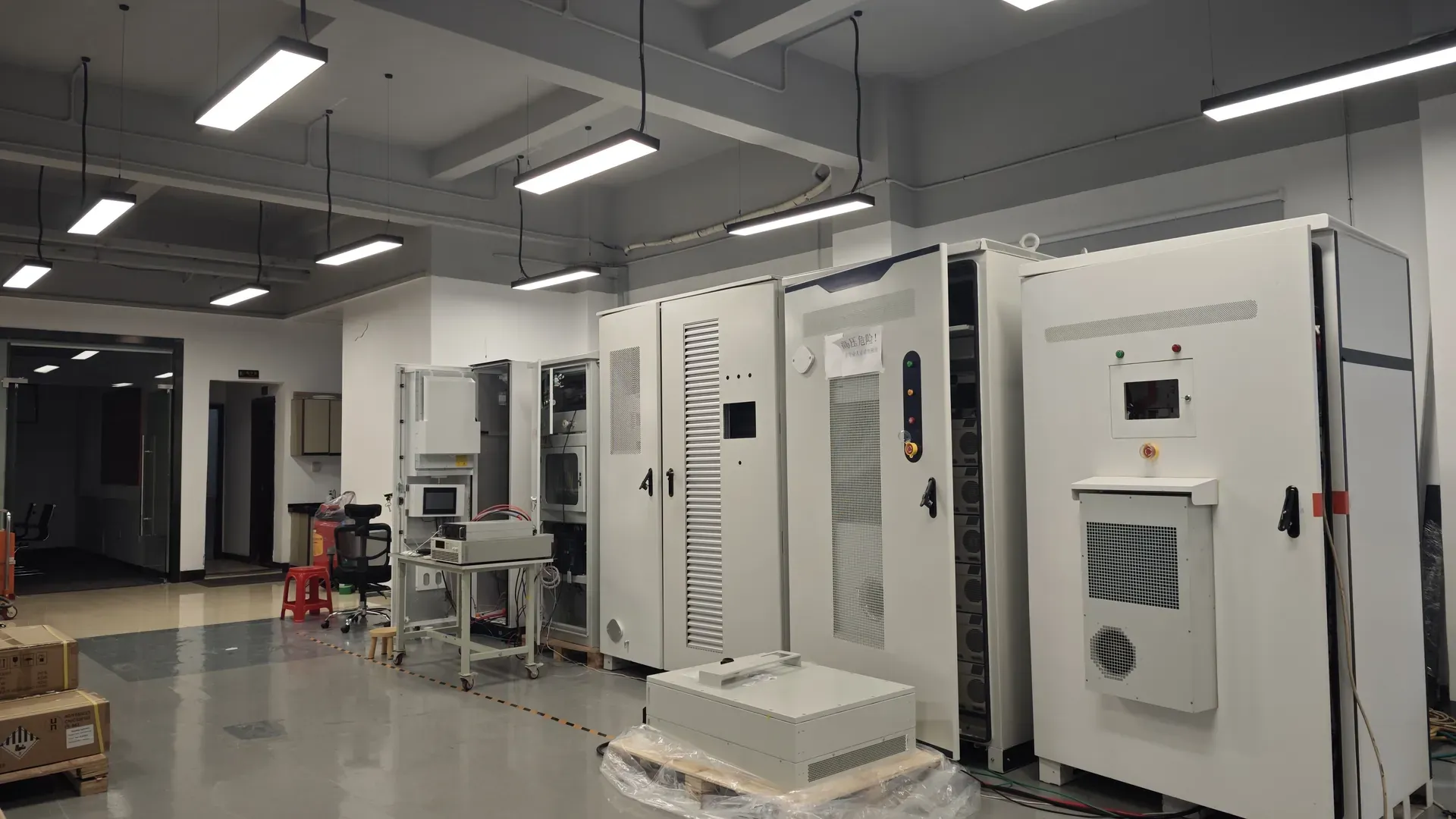
Point 1 — who you are actually contracting with. Ask for the legal entity name, then check it against the certificate holder and the factory address. This is where a trading company with no plant of its own first shows up: the name on the quotation differs from the name on the ISO 9001 certificate, and the certificate is for a factory in a different city. That is not automatically disqualifying — plenty of legitimate suppliers use a sales entity — but it must be explained in writing, together with the name of the plant that will build your units and who owns it.
Management-system certificates are cheap to display and easy to over-claim. Read the scope statement, not the logo: a certificate whose scope covers "assembly of lithium-ion battery packs" does not cover container integration, and a certificate that expired last year is still on the wall.
Point 2 — the factory audit. An on-site audit is the only checkpoint that cannot be satisfied remotely, which is exactly why it is useful. Announce the visit: you want the real process, not a rehearsed one. Three things are worth more of the day than the rest. Follow one work order from incoming cell receiving to end-of-line testing — the traceability link you need for point 3 lives or dies there. Stand at the end-of-line test bench and ask what happens to a unit that fails. And look at the stock: a plant holding no cells has a supply chain somewhere else, and a plant holding a warehouse of half-built cabinets has a schedule problem.
If travel is not possible, the fallback is a written audit report from a third party you hired, not the supplier's own quality manual. Our wider OEM and white-label BESS sourcing hub collects the rest of the guides in this series; the audit questions below are the ones that decide it.
Point 3 — cell sourcing. Cell availability sets cycle life, safety behaviour and delivery date, so "we use tier-1 cells" is not an answer. Ask for the cell manufacturer, the cell model and the chemistry — LFP (lithium iron phosphate) and NMC cells behave differently on cycle life, thermal stability and fire risk — and for the traceability record that connects a delivered pack to a cell lot. Then ask the two questions that separate a stable supply chain from a moving target: what happens if that cell model is discontinued, and how do you tell me about it? A supplier with a working process change notification (PCN) clause answers the second one immediately. A supplier without one will change the cell and let you find out at commissioning.
Points 4–6: Certification Evidence, Factory Test Data and Comparable Specifications
This is where most procurement reviews go wrong: the certificates are real, and they still do not answer the question the buyer is asking.
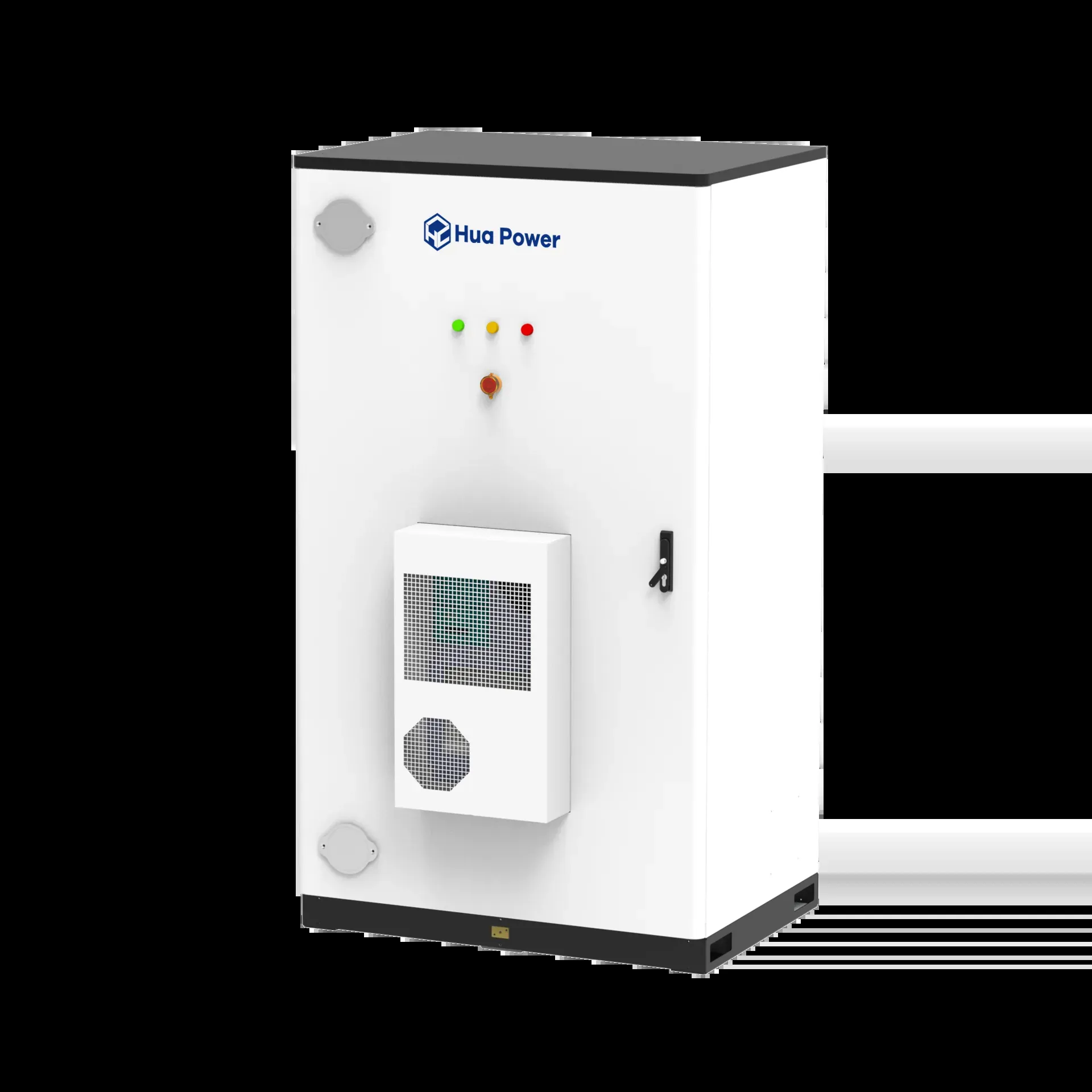
Point 4 — certification evidence. The named standards do different jobs, and a supplier that blurs them is usually blurring something else too. UL 9540A is a test method for evaluating fire propagation from thermal runaway in a battery energy storage system, not a certificate for a product; UL describes it as the American and Canadian national standard for assessing fire propagation, and the install-level test has been revised across editions. UL 9540 is the system-level certification, UL 1973 covers batteries for stationary applications, IEC 62619 sets safety requirements for secondary lithium cells and batteries for industrial use, and UN 38.3 is the transport test that any air or sea shipment depends on. NFPA 855 is the installation standard, and a safety data sheet in the applicable format is a shipping document, not a performance claim.
Then verify, because a certificate number is only useful if someone else can look it up:
- Take the certificate number to the issuing body's public database and confirm the holder, the product family, the standard and the validity window. UL maintains such a database for its own certifications, and CB Scheme certificates are issued by an accredited national certification body, so the number resolves to a certificate holder you can contact.
- Ask for the test report cover page, which shows the sample, the standard edition and the issuing laboratory. A certificate without the report behind it tells you a type was tested, not what was tested.
- Match the standard to the market. A European project that will be grid-connected under EN 50549-series requirements needs more than a US certification file, and a US installation will expect UL 9540 evidence alongside NFPA 855 compliance.
- For EU placements, check the documentation duties that apply to whoever places the battery on the market: the EU Batteries Regulation (EU) 2023/1542 introduces a battery due-diligence policy obligation and a battery passport, phased in over time. A supplier that has not thought about who the "economic operator" will be in that transaction has not read the file either.
Point 5 — factory test data. Ask what will be tested on your units, by whom, and where the results go. The Factory Acceptance Test protocol should name the tests, the acceptance criteria and the witness. If the project justifies it, a third-party witness inspection is worth the fee: independent testing organisations such as Intertek run these programmes, and an inspection report you commissioned reads differently from a report the supplier commissioned. The UL 9540A cabinet evidence file on this blog is a worked example of what the supporting documents for one product actually contain.
Point 6 — comparable specifications. Test conditions are the difference between two suppliers and two measurements. Cycle life, round-trip efficiency, energy density, C-rate and depth of discharge are only comparable when the conditions match: charge and discharge rate, depth of discharge, temperature and end-of-charge voltage. A "10,000-cycle" claim measured at low rate and shallow discharge will not hold at your duty cycle. Energy density is the quietest example — it is quoted per cell or per pack, and the enclosure, thermal system and racks cut the pack figure well below the cell figure. Ask which one you are being shown.
Ask each supplier to re-state those numbers with conditions attached, in one table. It is a small request that most vendors cannot answer from existing material, which tells you something by itself. Two clarifications are worth making in your own head before you compare: round-trip efficiency is a system-level figure that includes transformer and auxiliary losses, so a cell-level number is not the same quantity, and the depth-of-discharge assumption behind a cycle-life figure is usually where two datasheets diverge most. The battery management system matters here too — it is what enforces the limits a datasheet assumes, and the BMS fundamentals article explains which functions you should expect it to perform.
For scale, the all-in-one C&I cabinets in our own lineup state ≥8,000 cycles to 80% state of health, ≥85% system round-trip efficiency and IP54 with C3-M corrosion protection. Those numbers are only useful to a buyer if the shortlisted suppliers publish equivalents with the same test conditions, which is the point of the exercise.
The evaluation rarely stops at the battery. Ask who supplies the power conversion system (PCS) and the energy management system (EMS): whether the PCS is built in-house or bought in, whether the EMS is the supplier's own platform or a third party's, what data the EMS exposes to your own systems and through which interface, who holds the rights to remote firmware upgrades, and — when two vendors are involved — which of them carries integration responsibility in the warranty. Shortlists that treat the control layer as an afterthought end up watching two suppliers point at each other during the first control fault.
Points 7–8: Warranty, Service and Spare Parts

Point 7 — warranty. A warranty is three things: a term, a capacity-retention curve, and a claims process. Ask for all three. "Ten years" without a retention percentage leaves the argument about whether a pack at 62% of nameplate capacity is a warranty event entirely open, and that argument will happen in year six, when the site is earning revenue. Ask who performs the repair, who pays the freight, and what the response looks like in a country where the supplier has no technicians. Then read the exclusions — high ambient temperature, an off-spec auxiliary supply and an unapproved PCS are common and legitimate, but they should be visible before signature, not discovered from a claim form.
Point 8 — service and spare parts. Get names, response times and locations. The commercial question is not whether support exists but whether the parts exist within reach: a spare-parts list with part numbers, a local warehouse or bonded stock arrangement, and a first-response commitment measured in hours — the terms published on a technical support and spare-parts page are the shape to ask for. If the answer to "where are the spare modules held" is a city with no entry on the supplier's service map, the maintenance plan is theoretical.
Points 9–10: Delivery, Capacity and Financial Viability

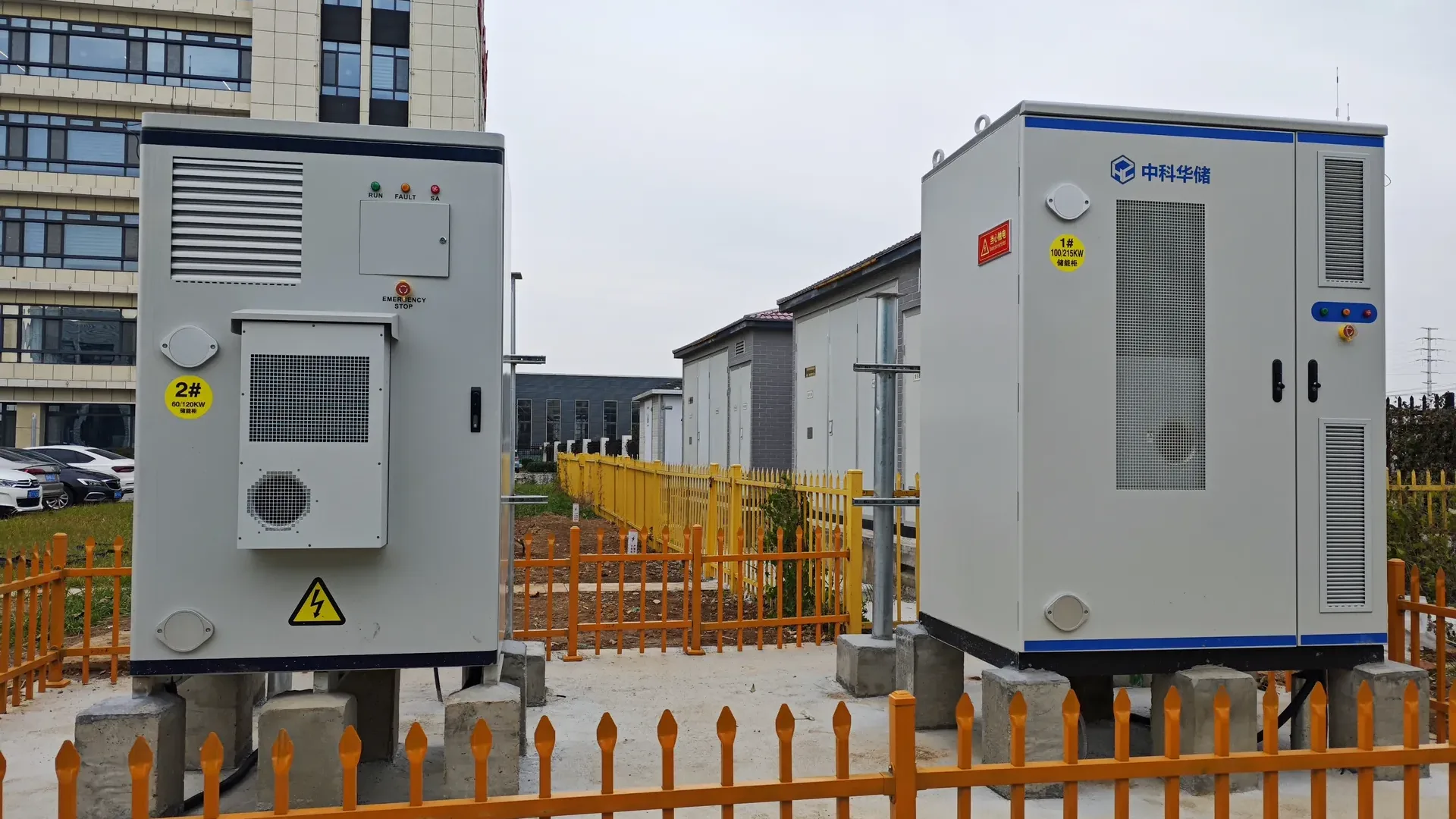
Point 9 — delivery. Minimum order quantity, quoted lead time, a booked production slot and a delay clause. The distinction that matters is between a lead time that exists in an email and a lead time backed by a slot in a production plan: ask for the slot, and for the remedy if it slips. On a container-scale order the shipping documents are part of the schedule — UN 38.3 test summaries for the cells and a current safety data sheet travel with the freight, and a missing one stops a vessel booking, not just a customs form.
Point 10 — capacity and financial viability. Capacity asked in MWh or GWh per year is a different question from "how big is your factory", and the answer should be reconcilable with the order you are placing: if you are buying 20 MWh and the plant claims 2 GWh a year, your order is one percent of its output and will be scheduled accordingly. Ask for two or three reference projects of comparable size in comparable markets, with the contact route to check them. Then look at financial standing — audited statements, insurance, or the bankability evidence your lender requires. This is the point at which a project finance team will ask the same question, and the answer is much easier to obtain before signature. The C&I OEM manufacturing and MOQ guide shows how capacity, configuration, MOQ and lead times are stated on the manufacturer side.
Turning the Checklist Into a Weighted Score With Hard Gates
Once the elimination pass is done, score what is left. Weights below are a starting point for a commercial and industrial project; change them to match where your risk actually sits.
Dimension | Weight | What earns full marks |
|---|---|---|
Certification and verifiable test evidence | 25% | Certificate numbers resolved at the issuing body, report cover pages supplied, standards matched to the target market |
Technical configuration and comparable data | 25% | All four specification figures re-stated with test conditions; BMS, PCS and thermal design documented |
Factory and process capability | 15% | Announced audit completed, traceability demonstrated on a live work order, failed-unit process defined |
Commercial and delivery terms | 15% | MOQ, booked slot, delay remedy, warranty with retention curve and claim path |
Service and spare parts footprint | 10% | Named contacts, response commitments, parts held in-region |
Financial standing and references | 10% | Verifiable references and documentation your lender accepts |
Two rules keep the scoring honest. First, gates are absolute: no score above zero can rescue a supplier that fails point 4 or point 7. Second, score the document, not the presentation — a supplier that answers with a report outranks one that answers with a promise, even if the promise is better written.
If your team already runs a formal tender, this table slots into it rather than replacing it: the C&I BESS procurement decision framework covers how the same gates behave once an integrator is running the process.
The OEM and White-Label Questions Most Checklists Miss
If your name goes on the product, three extra questions decide whether the arrangement is workable — and none of them appear on a standard vendor evaluation form.
Whose certificate is it after re-badging? An OEM agreement usually means your brand on the nameplate. Find out in writing whether the certification file can be extended to your brand, whether a new certificate has to be issued in your name, and who is the certificate holder of record afterwards. The answer determines what your customer sees when they check the certificate number.
Who pays for re-testing, and when is it triggered? Changing a nameplate is usually simpler than changing a cell, a BMS or an enclosure, but both can require evidence work. Ask for the boundary in advance: which changes are administrative, which require re-testing, who pays and who owns the new report.
What protects your design and your continuity? An NDA that covers drawings is the baseline; the operational questions are longer. Who owns tooling paid for by you, what notice period applies before a component is substituted, what happens to your margin if a cell model is discontinued, and how the arrangement ends. Our white-label BESS guide for Europe covers the market-access side of that decision.
Because these questions are commercial rather than technical, they tend to be answered last. On projects where they are answered last, they are answered by the supplier.
Red Flags That Should End an Evaluation
Eight signals that justify removing a supplier from the list rather than scoring it down:
- The certificate number cannot be found at the issuing body, or resolves to a different product family.
- "Certified" appears with no standard number, or UL 9540A is presented as a product certificate.
- The cell brand and model are refused in writing. A datasheet that names a chemistry but not a supplier is a placeholder.
- Test data arrives as a chart. Ask for the report; a curve with no protocol behind it is marketing.
- The warranty has no capacity-retention curve. You are being asked to accept an argument in year six.
- The lead time exists only in email. No booked slot, no delay remedy, no schedule document.
- The audit is refused or rescheduled indefinitely. Flexibility on price often correlates with opacity on process.
- No change-notification clause. Without it, the product you accepted and the product you receive can differ in components you never approved.
A supplier that fails one gate is not a negotiation problem. It is a shortlist decision — and making it early is the only part of supplier evaluation that reliably lowers project risk.
If you want the elimination pass run against a specific project, send the checklist to Hua Power's engineering team and we will answer it point by point, in writing, for the models you are considering.
FAQ
Does a UL 9540A test report replace UL 9540 certification? No. UL 9540A is a test method that produces data about fire propagation from thermal runaway; UL 9540 is the system-level certification. Buyers commonly receive the 9540A report and assume the product is "UL certified" — ask for both, and check which one your authority having jurisdiction requires.
How many suppliers should a BESS evaluation start with? Four to six is workable if the elimination pass runs first, because the document requests will remove roughly half of them without a scoring meeting. Shortlists that start at ten and score everyone tend to finish with the strongest presentation rather than the strongest evidence.
What is the first document to request? The certificate number and the test report cover page for the specific product family you are buying. It is quick for a supplier to produce, it is checkable by someone other than you, and a supplier that cannot produce it has told you something useful at the lowest possible cost.
Do we need an on-site factory audit for a container purchase? For a first order, yes — or a third-party inspection you commissioned. A container-scale system is assembled from cells, modules, a BMS, thermal management and fire protection; announcement-audit evidence of how those parts are received, tracked and tested is the cheapest insurance available in the project.
This guide describes a procurement process, not a legal or certification opinion. Market-access requirements differ by country and change with each revision cycle, so confirm the applicable standard editions, certifications and documentation duties with the relevant authority or a qualified test house before signing.