
🌊 Where most projects start
Main marketsCommercial & Industrial
Guides for energy and facility managers, EPCs, and procurement engineers evaluating C&I battery storage — sizing, peak shaving, demand response, PCS selection, and enclosure/cooling choices.
Read the guidesResidential
Guides for homeowners and installers choosing home battery storage — form factors, sizing, solar pairing, and product selection.
Read the guidesOEM & White-Label
Guides for buyers sourcing custom-manufactured or private-label battery storage from China — what to specify, what to verify and what to expect on cost and lead time.
Read the guidesBattery Basics
Foundational guides covering lithium-ion battery chemistry, components, working principles, and key performance parameters.
Read the guidesEnergy Management Systems
Understand how an EMS coordinates battery assets, controls dispatch, connects operational data, and supports smarter energy decisions.
Read the guidesFrequency Regulation
Explore how battery storage supports fast grid balancing and how developers evaluate frequency-regulation markets, technical design, and revenue.
Read the guidesMicrogrids
Learn how energy storage enables resilient microgrids for remote and critical applications, from architecture through project delivery.
Read the guidesSolar Retrofit
Plan a solar-plus-storage retrofit with clear guidance on compatibility, architecture, sizing, installation, and return on investment.
Read the guidesU.S. Battery Storage
Navigate U.S. battery storage market conditions, project compliance, safety standards, incentives, and procurement decisions.
Read the guidesLatest articles
10 newest of 69 published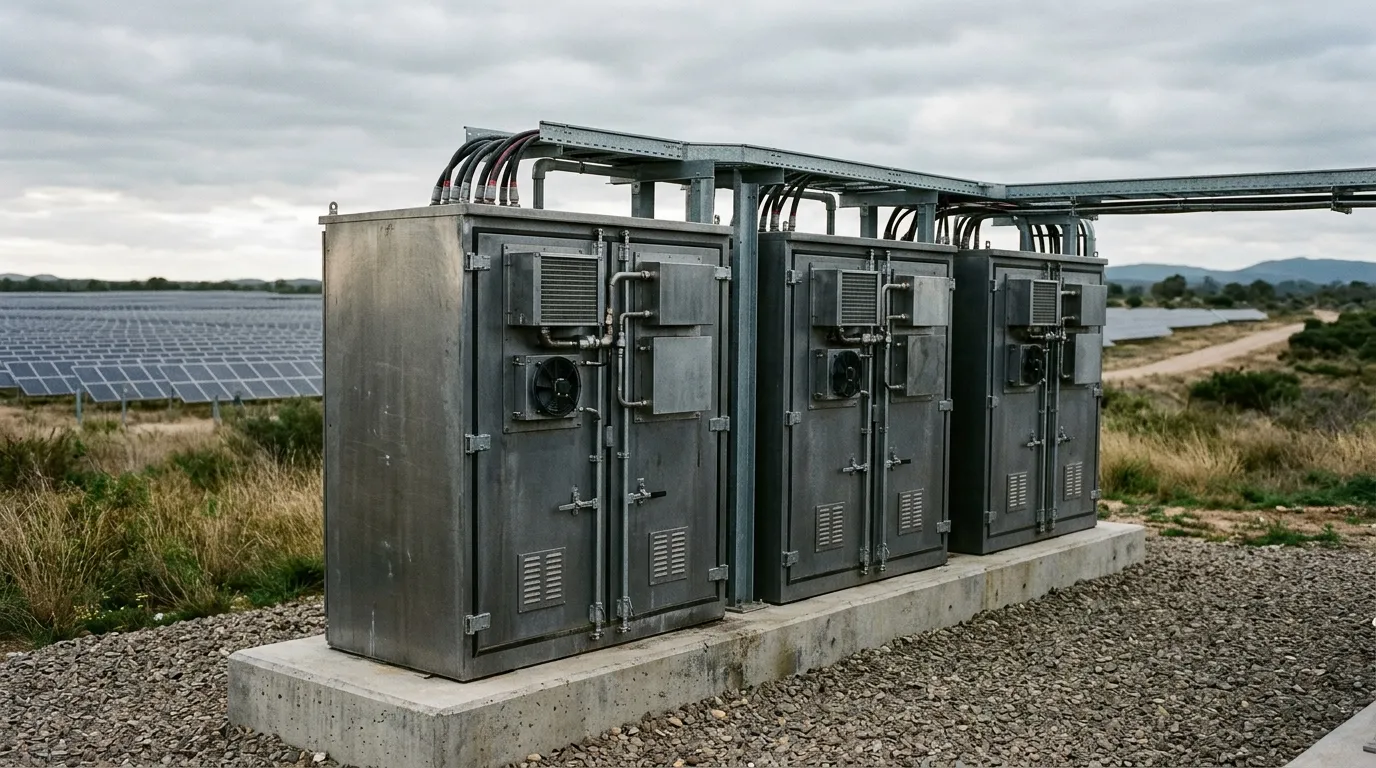
LiFePO4 Battery Lifespan: A Project Guide
A LiFePO4 cycle rating is a claim about test conditions. How to turn it into a project lifespan, size for year ten, and prove capacity at commissioning.
Read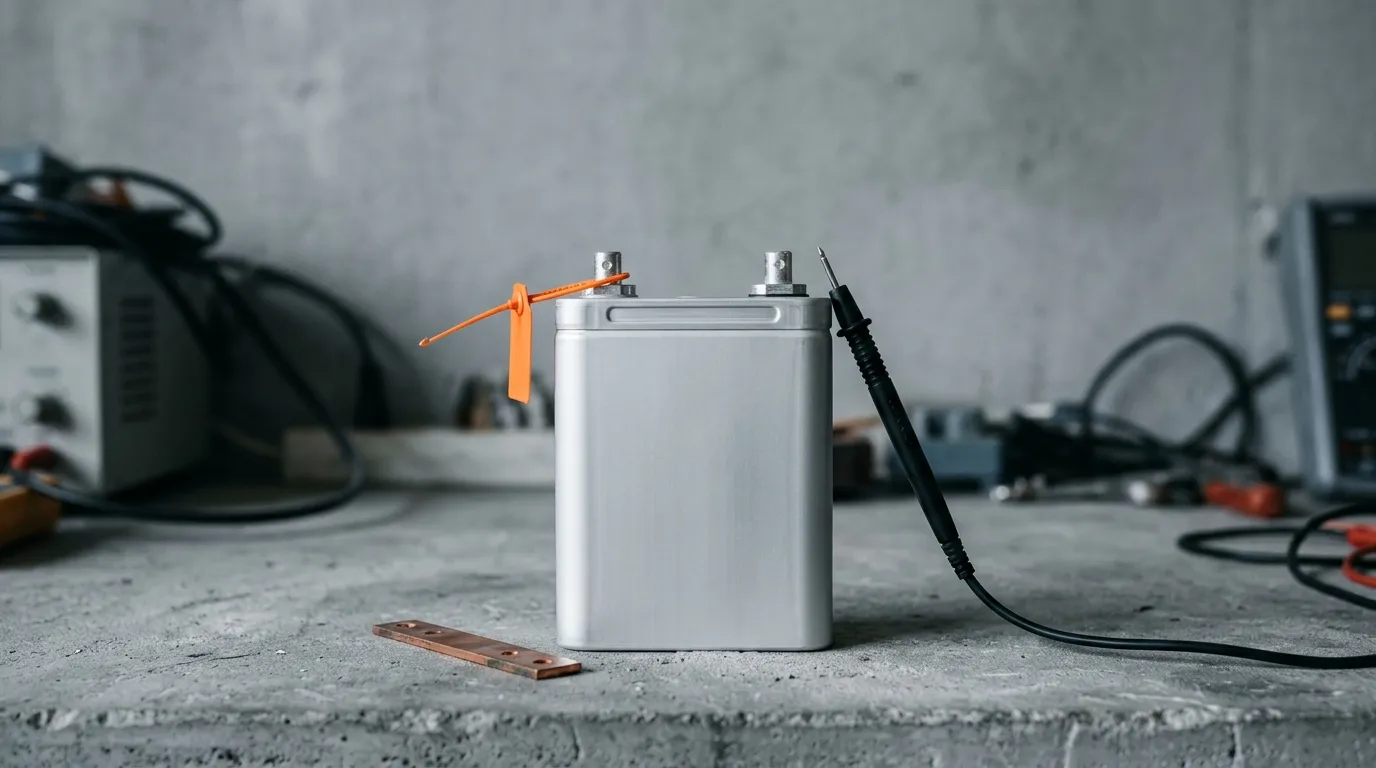
LiFePO4 Voltage Chart: SoC Reference Table
A LiFePO4 voltage chart holds only at rest: 3.65 V charging, 3.20 V at 20% SoC, 2.50 V empty. Here is the table, its error band, and the same curve at 768 V.
Read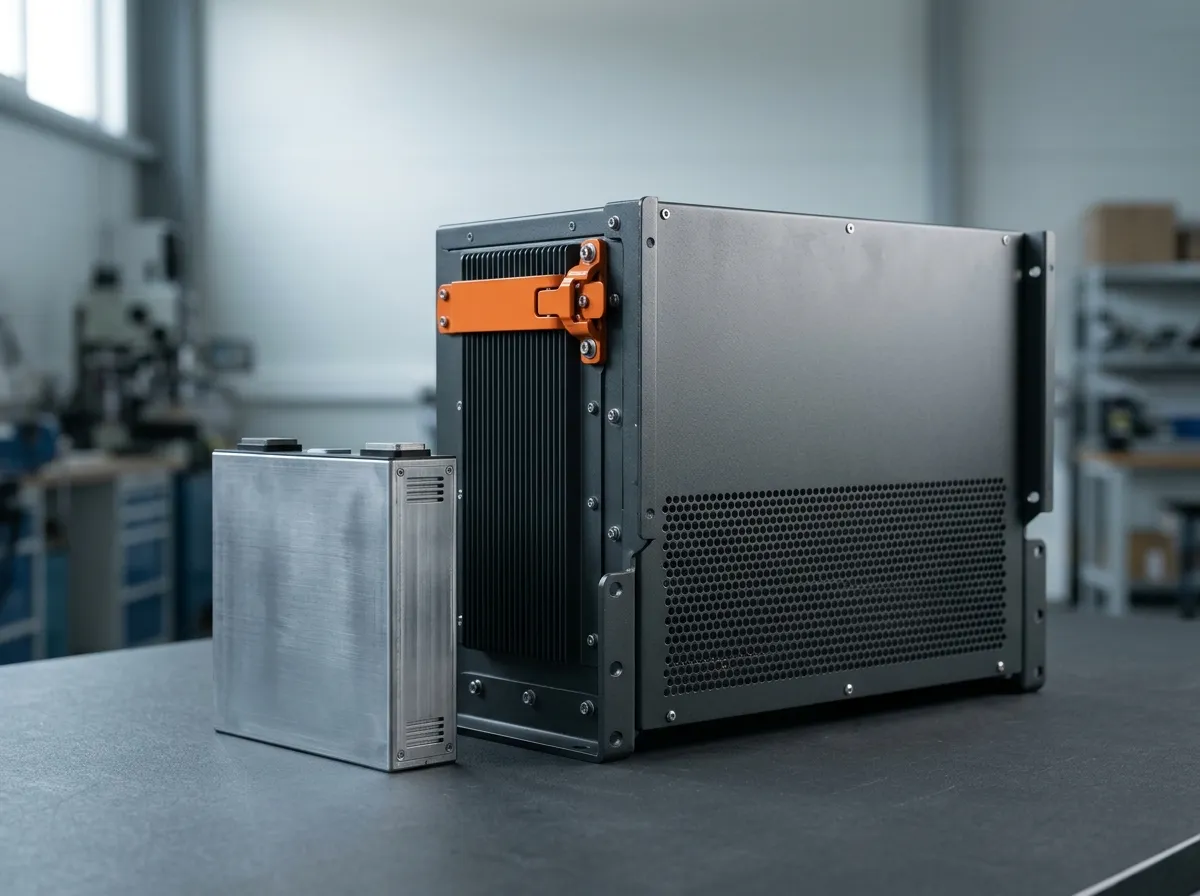
kWh vs Ah: Battery Capacity Units Explained
kWh measures energy, Ah measures charge, so 100 Ah is 1.28 kWh at 12.8 V and 5.12 kWh at 51.2 V. Convert, read the test conditions, then compare quotes.
Read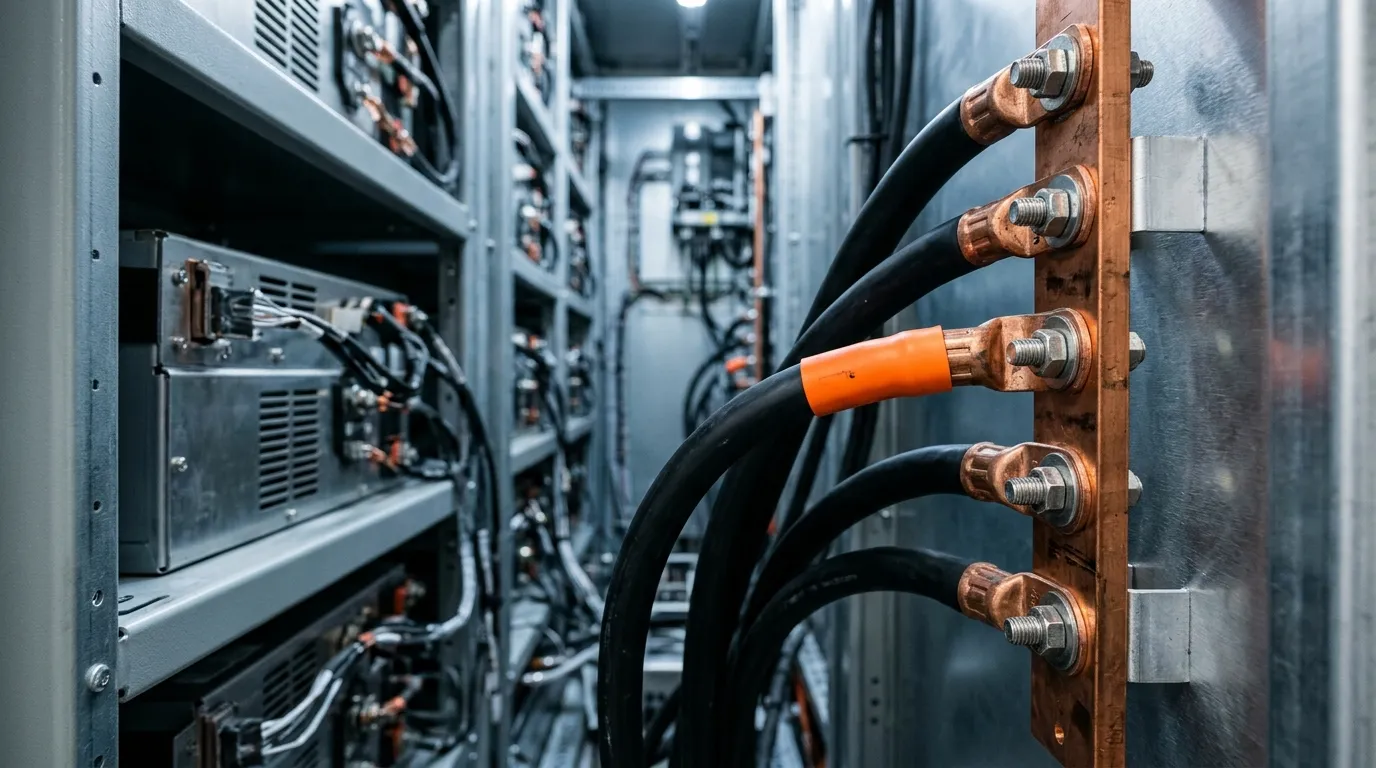
Battery Wiring and Connection Guide
A battery wiring and connection guide for installers: cable ampacity and voltage drop, terminal torque, busbar links, fusing and BMS harness checks, end to end.
Read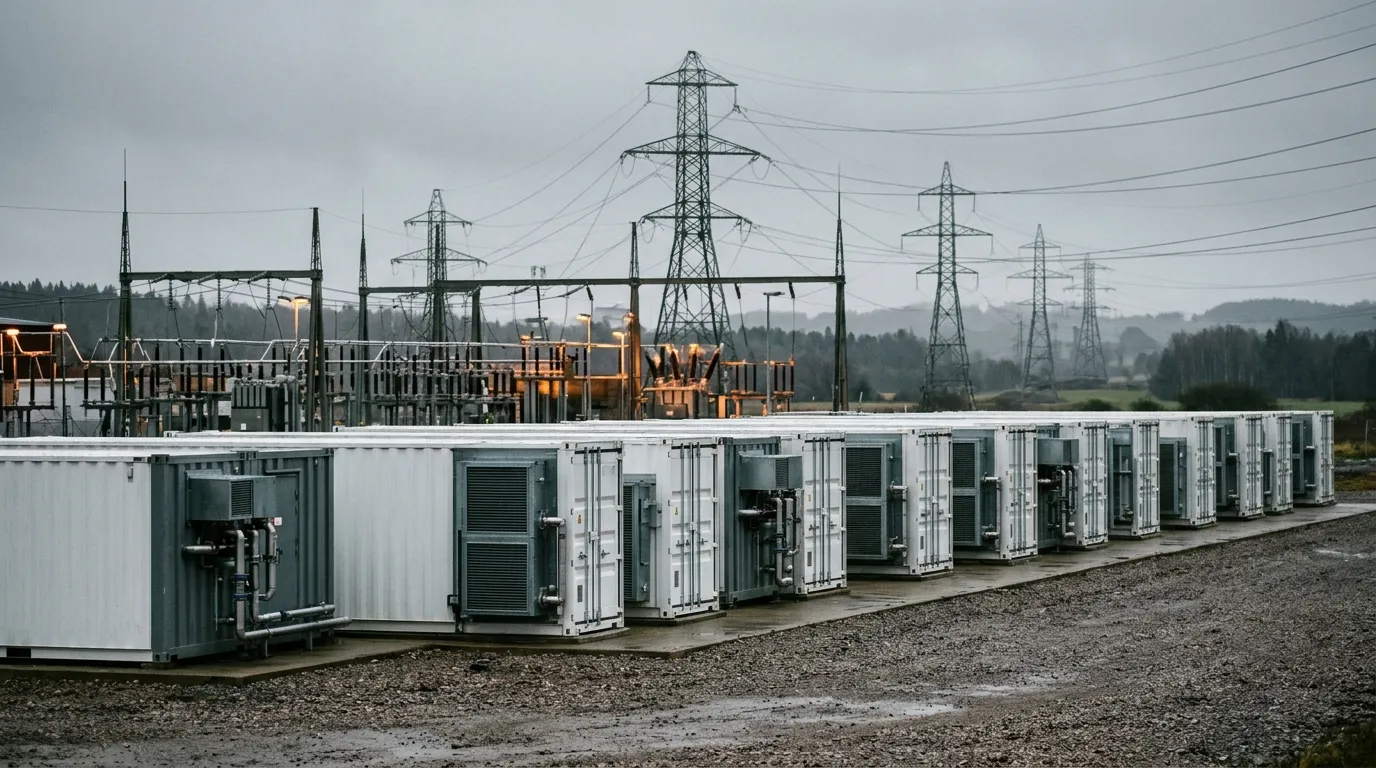
Europe Frequency Regulation Projects 2026
Ten verifiable European frequency regulation projects, from the nine-country FCR Cooperation to UK Dynamic Containment, with TSO volumes and response specs.
Read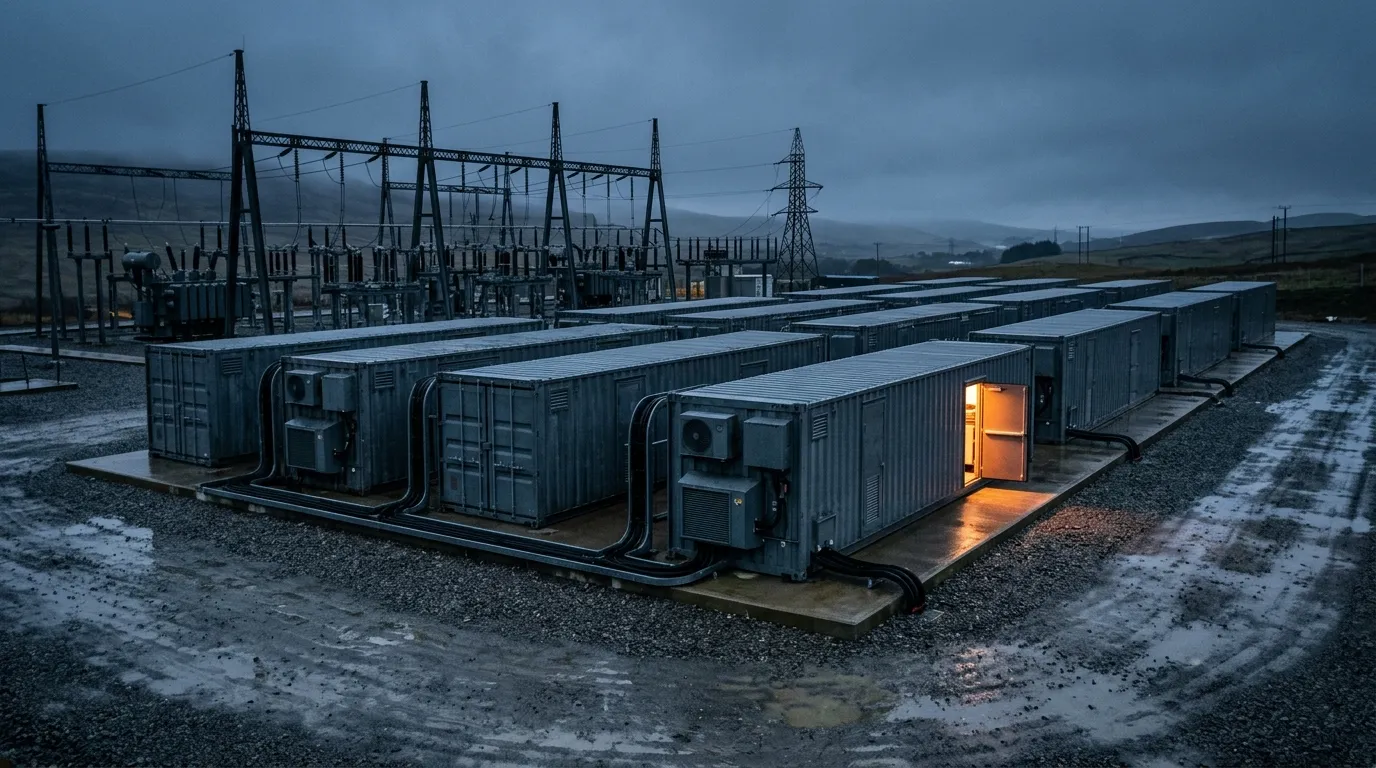
BESS Suppliers: Sungrow, Trina & Hua Power
An honest BESS supplier comparison of Sungrow, Trina Storage and Hua Power: shipment rankings, container specs, fire-test evidence and who should buy each.
Read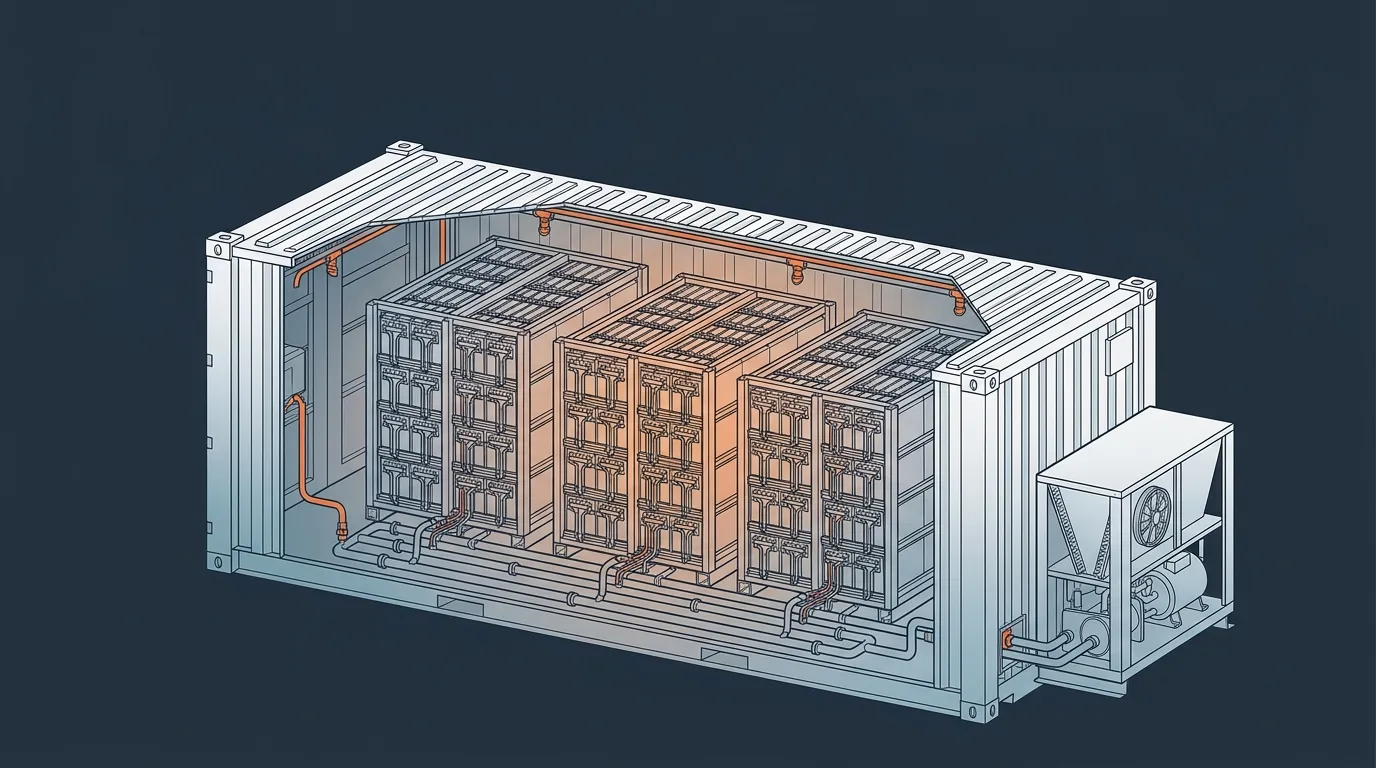
Battery Storage Temperature Range: Limits
Charge and discharge windows differ, and a container derates long before it trips. How to read a BESS temperature specification and what to ask a supplier.
Read
Inside the Hua Power BESS Factory
A station-by-station walk through the Hua Power BESS factory in Jinhua: what each step does, the records to request, and the certificate file to verify.
Read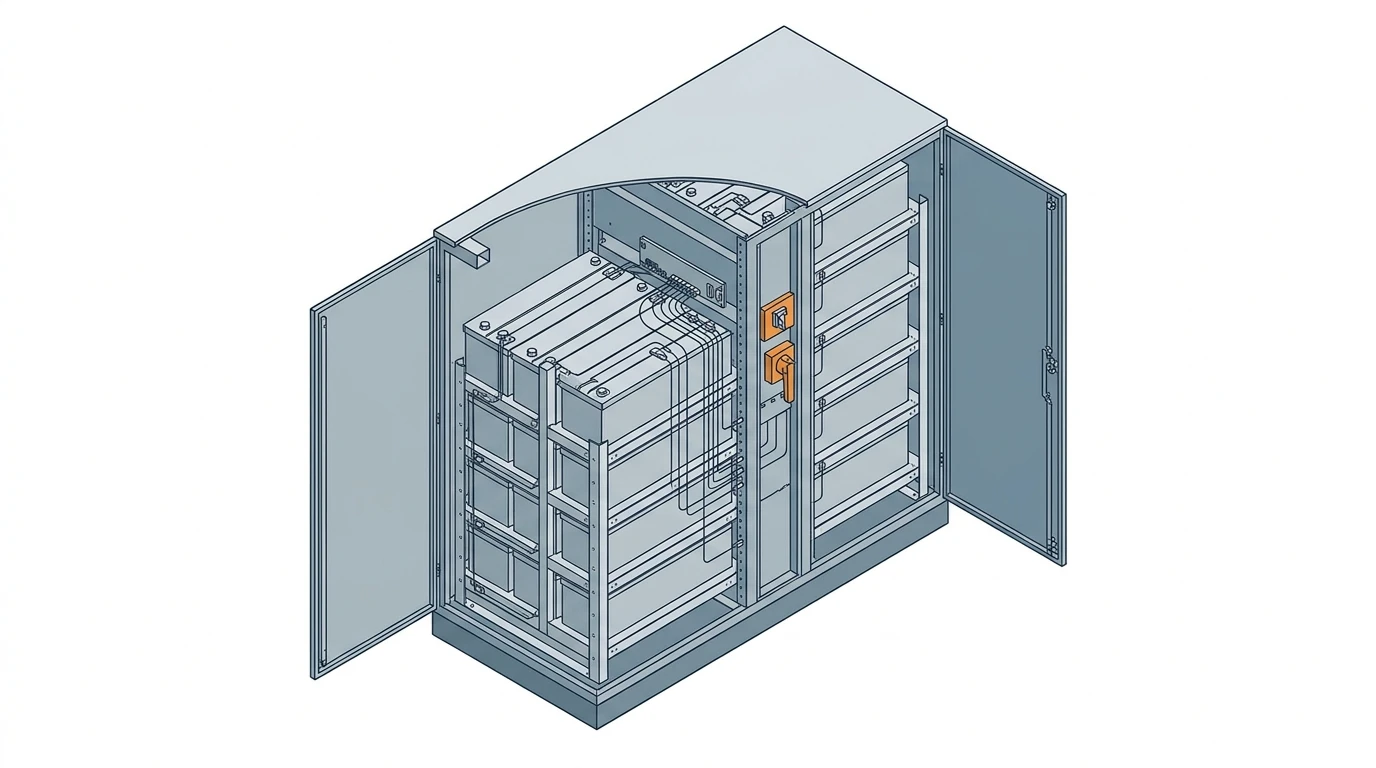
Battery Management System Spec for C&I BESS
How to specify a BMS for a C&I or utility BESS: the datasheet lines that matter, PCS and EMS integration, commissioning tests and warranty terms to demand.
Read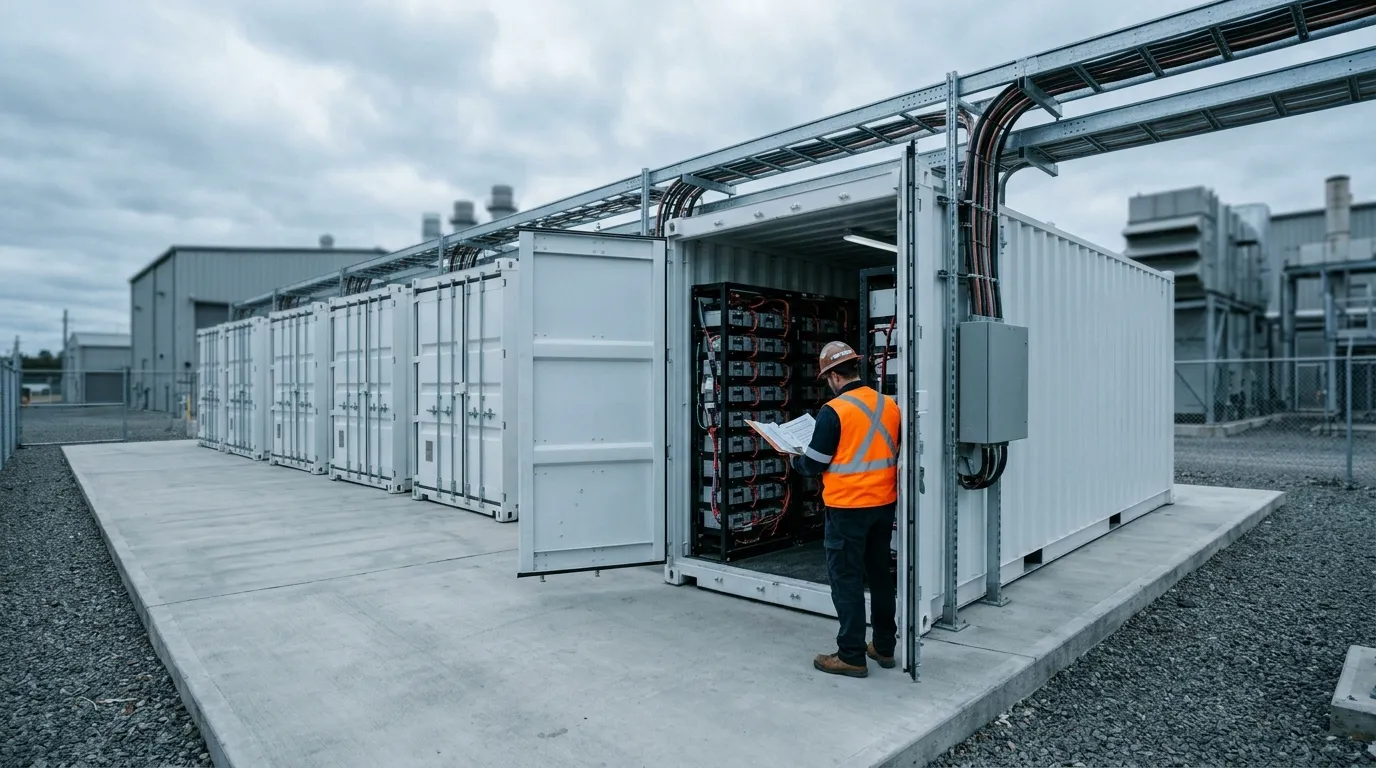
UL 9540A BESS Manufacturer Checklist
Check a BESS manufacturer's UL 9540A claim before you sign: which edition, which test levels, which build, and the ten things a US AHJ checks in the report.
Read