
What this hub is for
If you need battery energy storage systems manufactured under your brand — whether you are a solar distributor building out a product line, an EPC contractor sourcing for a portfolio of projects, or an energy company entering a new market — you are in the right place.
These guides are written for the buyer, not the manufacturer. They cover the decisions that matter before you sign a contract: which engagement model fits your business, how to evaluate a factory you have not visited, what a realistic timeline and budget look like, and how to protect yourself on warranty and after-sales support.
Three things every OEM buyer needs to get right
After working with distributors and project developers across 30 countries, we see the same three failure points in OEM sourcing — and the same three things that successful buyers get right.
1. Know which model you are actually buying. "OEM" means different things to different suppliers. A white-label product — same hardware, your brand on the enclosure — is fast and low-risk but gives you no differentiation. Full OEM customization — your specifications, your BMS parameters, your certification path — takes longer and costs more but builds a product that is genuinely yours. The wrong model for your market wastes time or leaves you selling a commodity.
2. Verify before you commit. The gap between a manufacturer's website and their production floor can be wide. Production-line photos with timestamps, batch test reports from a real production run, certification certificates checked against public databases, and reference calls with buyers who placed similar orders — these are not optional. They are the difference between a partner who delivers and a trade company that disappears after the deposit clears.
3. Plan for year three, not just month one. The first shipment arriving on time feels like the finish line. It is not. Warranty terms that let you claim without shipping hardware back to China, a spare-parts package negotiated into the initial order, remote monitoring that lets your team diagnose issues before the customer notices — these are what keep an OEM relationship profitable over the life of the system.
Where to start
The guides in this area cover the full sourcing lifecycle — from understanding the OEM landscape through factory evaluation, certification planning, and commercial negotiation.
If you are new to BESS OEM sourcing, start with our C&I OEM manufacturing sourcing guide. It walks through the definitions, the use cases where OEM makes sense, a practical vendor evaluation checklist, and what you will actually pay and how long it will take — with real numbers from real projects.
New guides on specific topics are added as they are published. Check back or subscribe below to get them in your inbox.
About Hua Power's OEM manufacturing
Hua Power has manufactured battery energy storage systems since 2015. We operate a 50,000 m² production facility with in-house BMS and EMS design, and have deployed over 2.4 GWh across more than 400 projects in 30 countries.
We offer all three engagement models — white-label, OEM, and ODM — across C&I cabinets, containerized utility systems, and residential products. Our engineering team handles the technical scoping before any commercial conversation begins. If you have a project brief ready, send it to engineering and you will hear back within one business day.
All articles in this area
6 articles live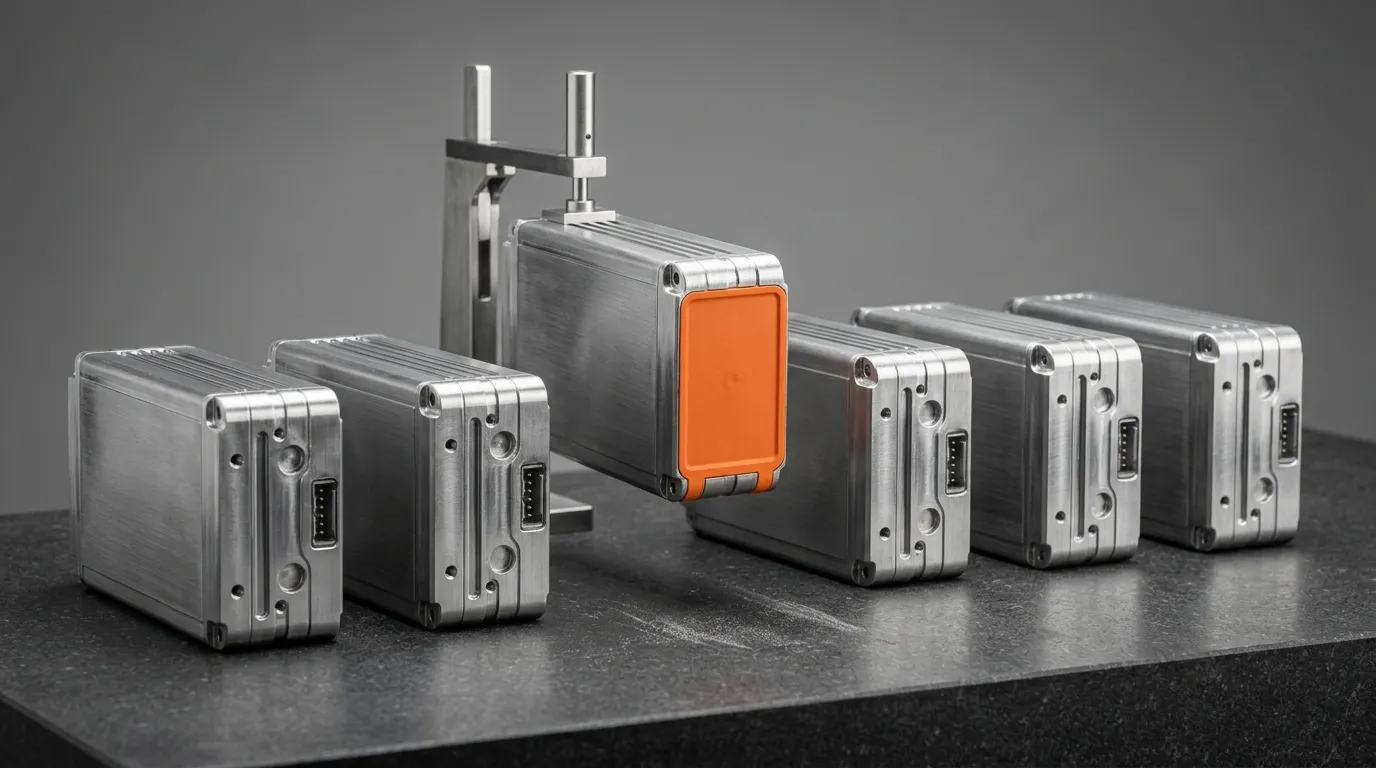
China BESS Manufacturers: A Vetting Guide
Most Chinese BESS suppliers look identical online. Use this guide's document dossier, line audit and scoring model to tell a real factory from a trading desk.
Read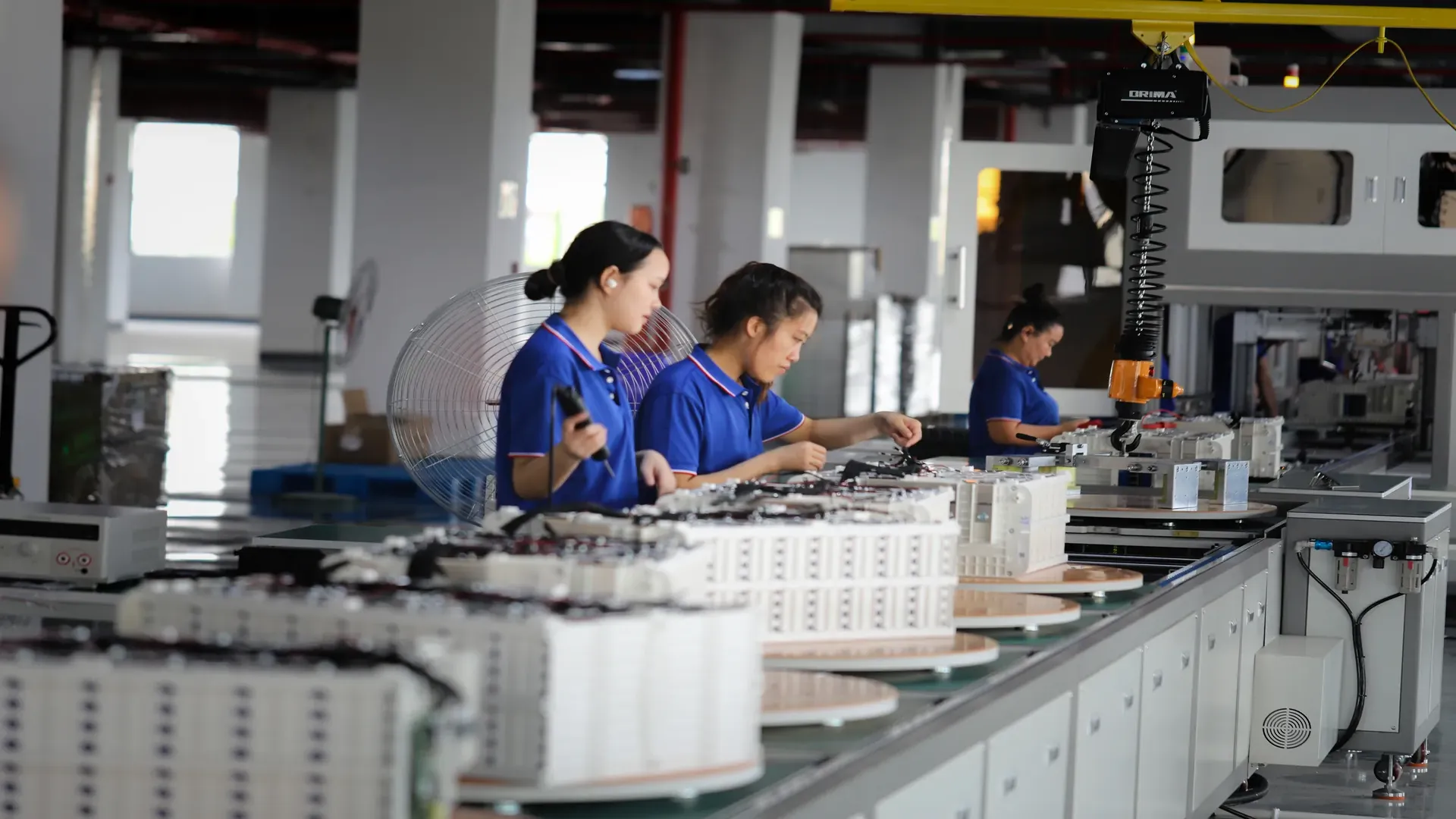
How to Evaluate a BESS Supplier: 10 Checks
A 10-point BESS supplier evaluation checklist: the documents to demand for certification, cell sourcing, test data, warranty and delivery — and the red flags.
Read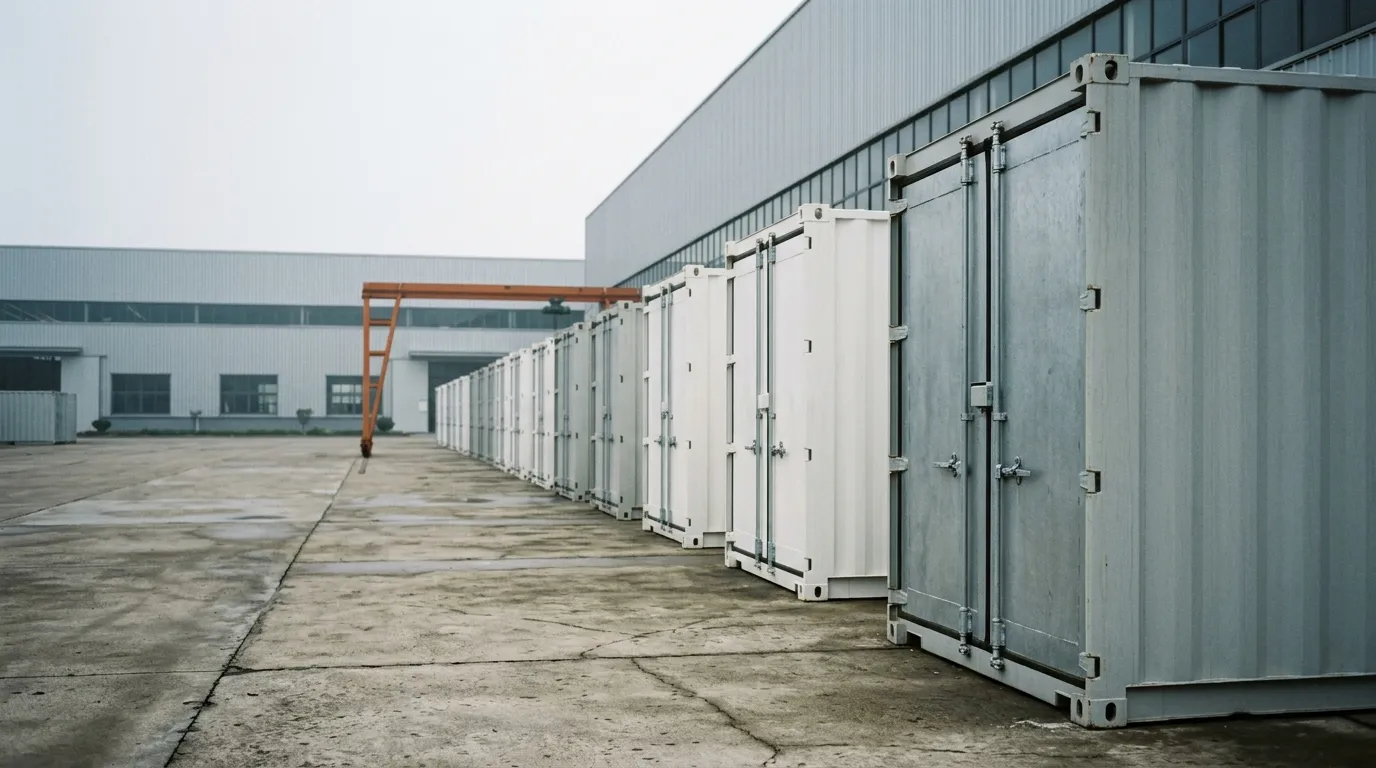
BESS Cost Breakdown: China Supplier Savings
A seven-line BESS cost breakdown - cells, PCS, enclosure, certification, freight and duty - showing which lines a China BESS supplier's savings come from.
Read
White-Label BESS for Europe: An OEM Guide
How European energy companies and distributors launch a branded BESS: engagement models, EU Battery Regulation and CE obligations, verification, and timeline.
Read
50 kW Hybrid Storage Cabinet: OEM Options
A buyer's guide to 50kW hybrid energy storage cabinets — covering C&I use cases, system architecture, market certifications, and OEM customization options.
Read
C&I OEM Manufacturing: A Sourcing Guide for BESS Buyers
OEM vs white-label vs ODM for C&I battery storage — what to specify, what to verify, real cost and lead-time ranges.
Read