// C&I Split Cabinet BESS

Split Battery Storage Cabinet Systems
for C&I Projects.

Battery ESS split cabinet systems place the battery in separate outdoor cabinets alongside a dedicated PCS cabinet, so a C&I project can size power and energy from 300kW / 723kWh up to 1.26MW / 2.508MWh. Start with the site load profile, required duration, grid interface, and installation conditions—not a headline kWh figure alone.

Hua Power battery ESS split cabinet system
World map showing Hua Power's global energy storage deployments
300kW–1.26MW
Power Range
723kWh–2.5MWh
Capacity Range
IP54 / IP55
Outdoor Protection
Project-specific
Engineering Review
// Split Cabinet Systems

Battery and PCS Cabinets, Sized Separately.

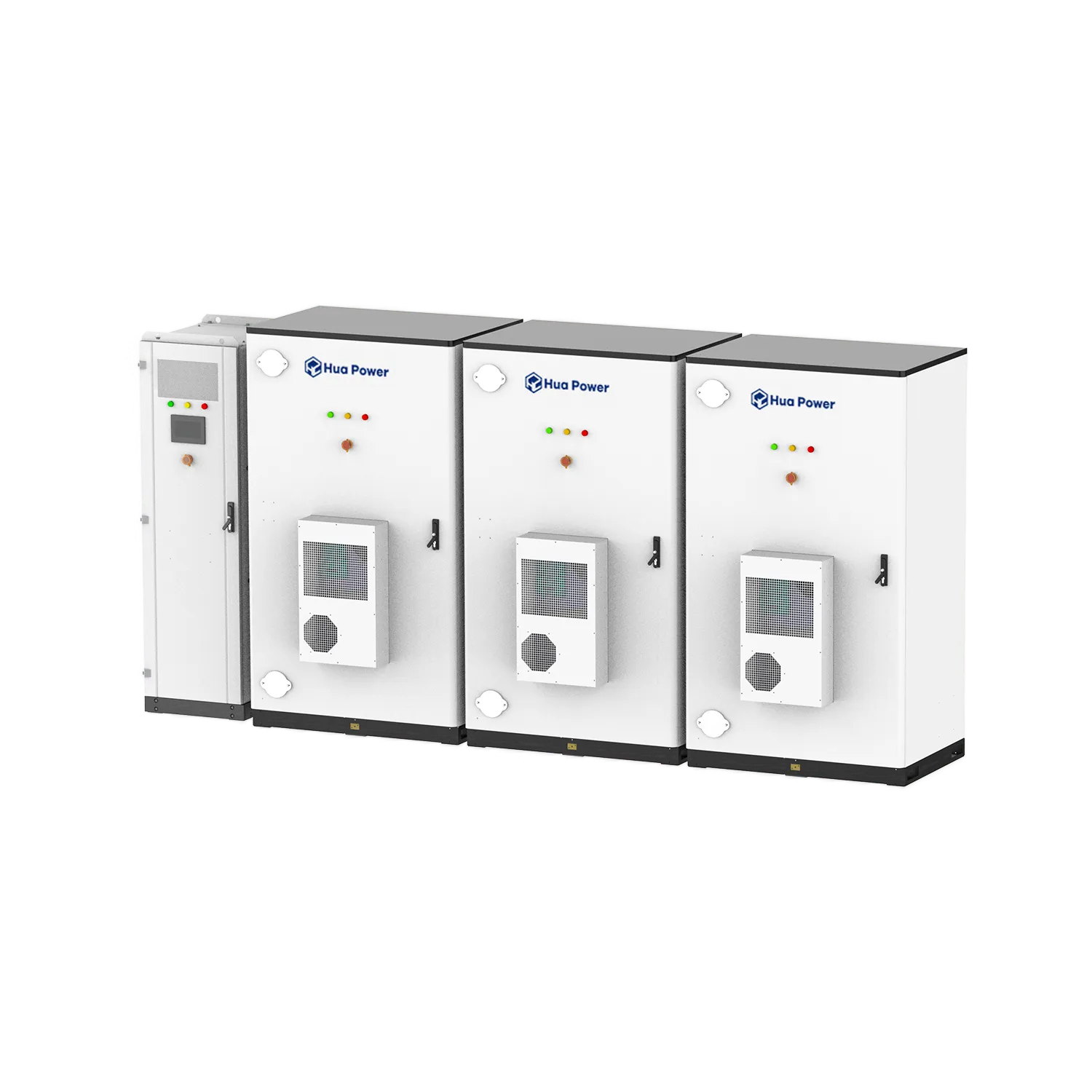
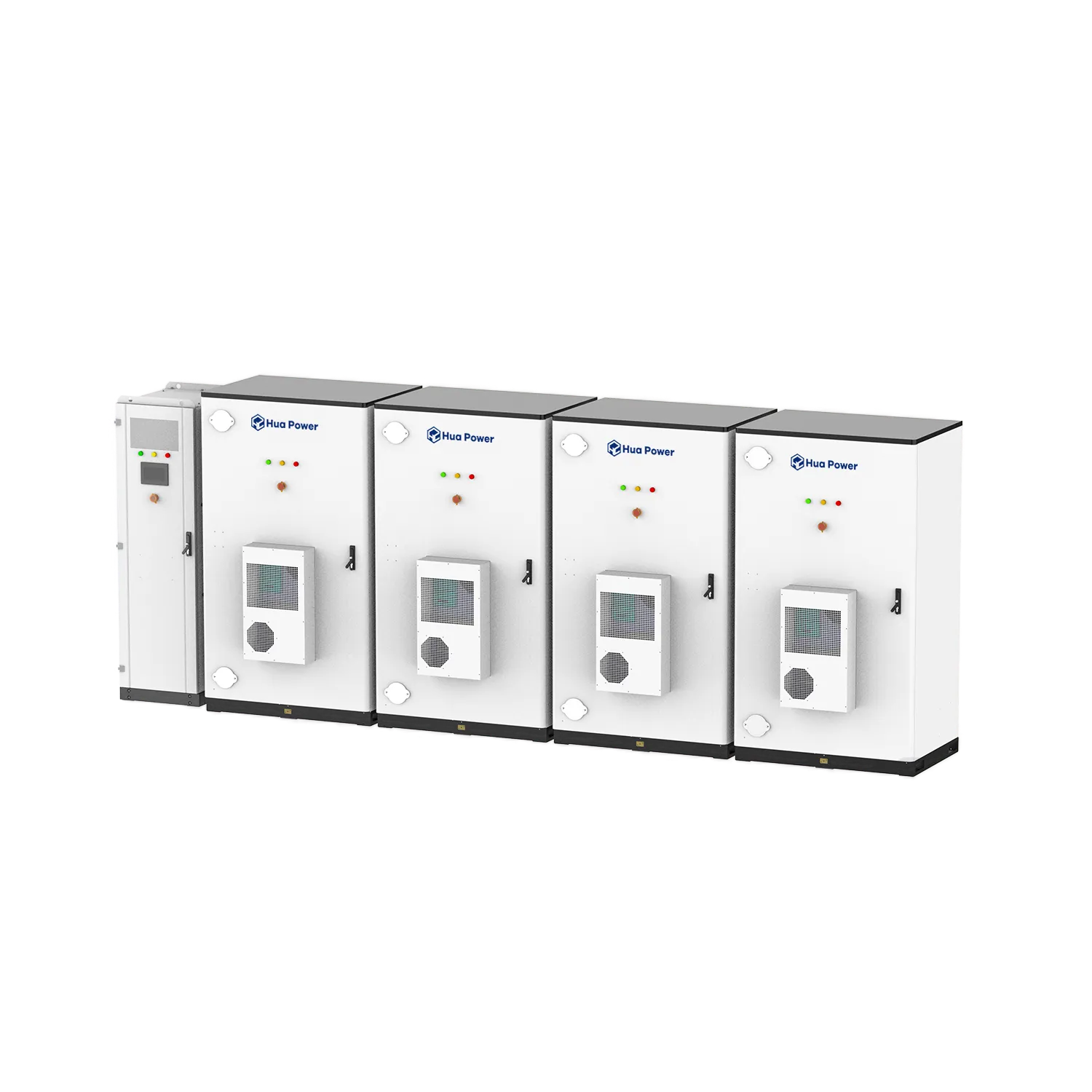
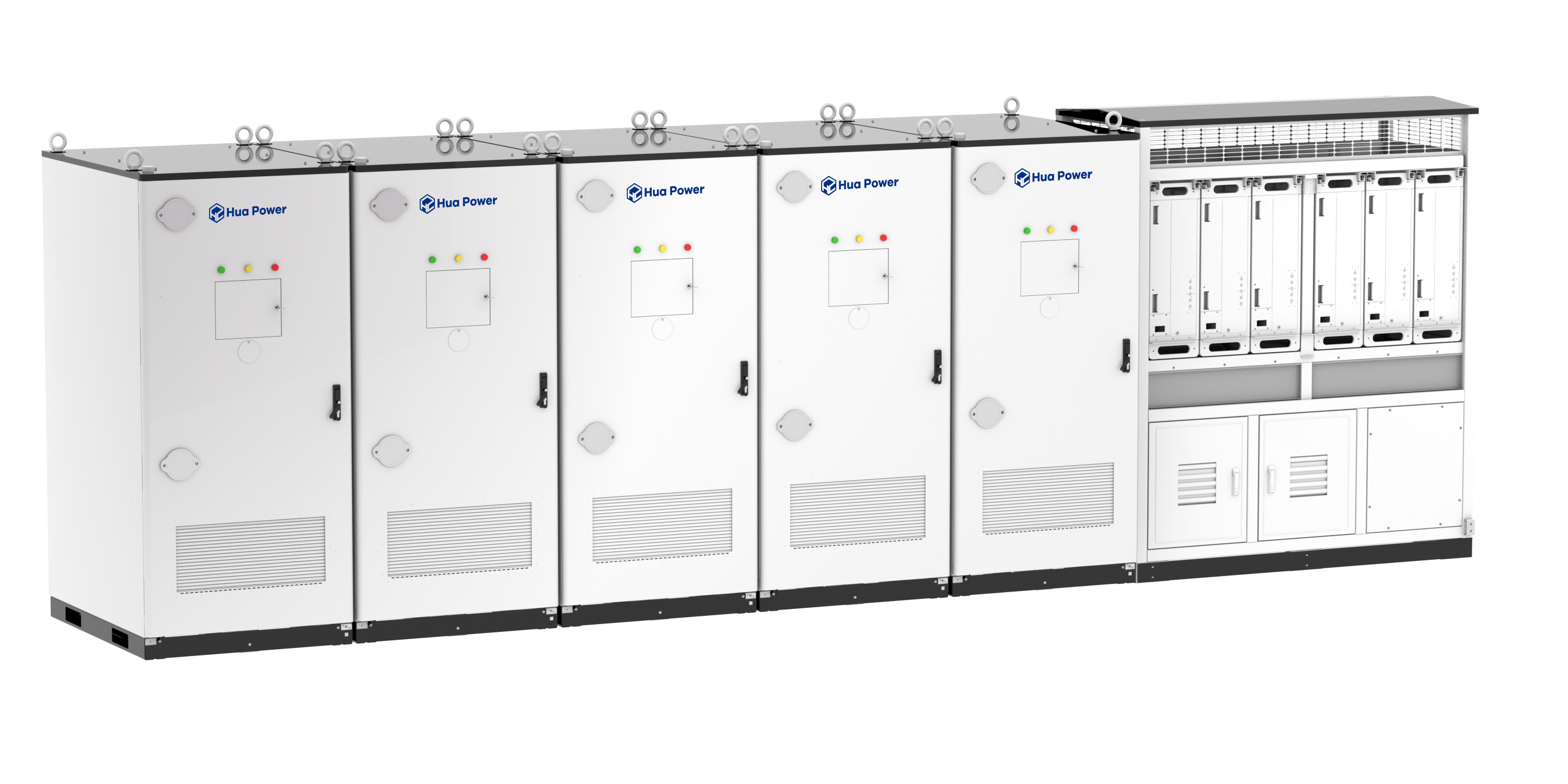
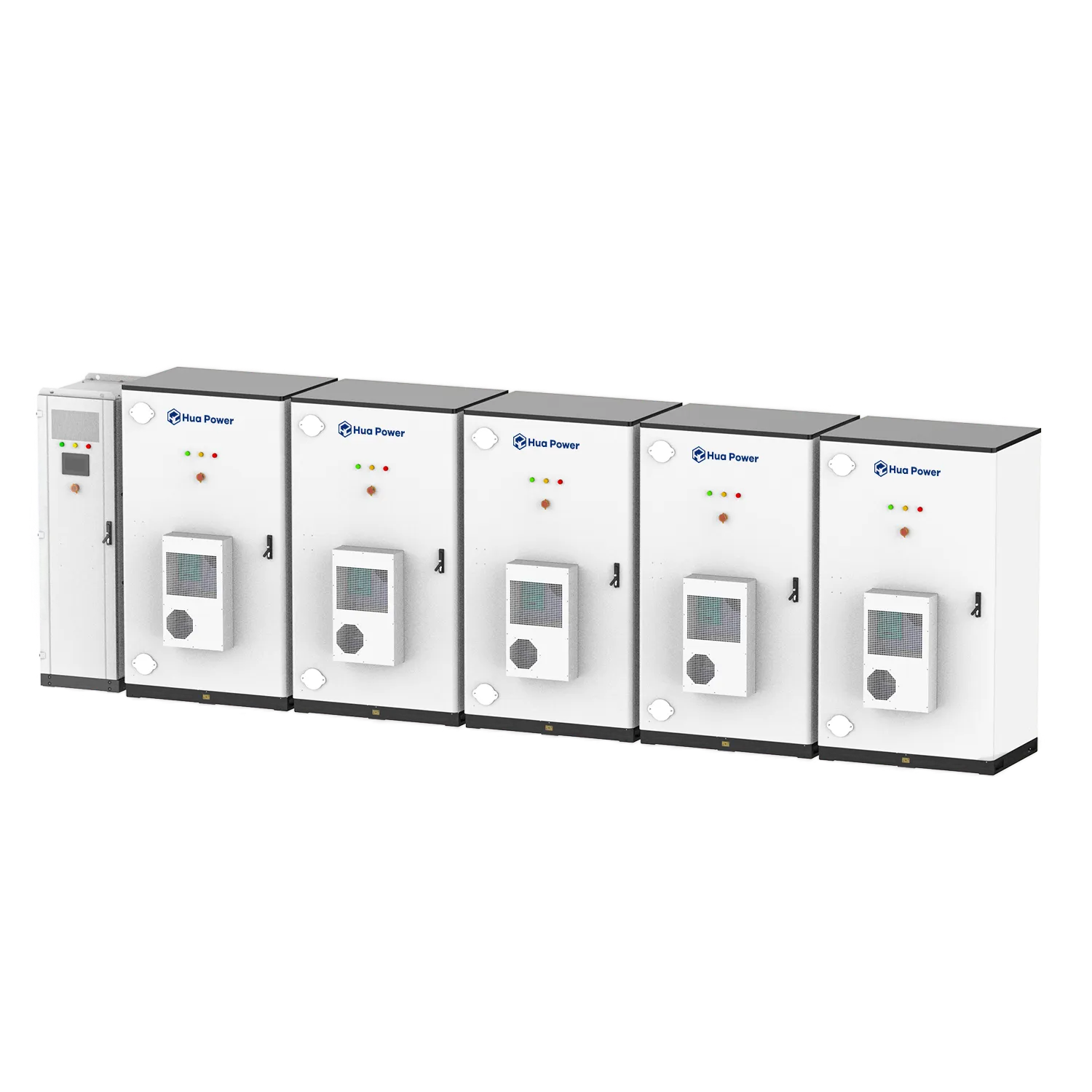
Each system combines LiFePO4 battery cabinets with a separate PCS cabinet. The HC-UPSSP series uses three, four or five air-cooled battery cabinets; the HC-UPSA2508L04 moves to an 800V platform with liquid-cooled battery cabinets. Final power, duration, grid connection, and operating mode are confirmed against the site brief.

// Technology

What to Review Before Selecting a Cabinet

Size Power and Duration Separately

Power in kW defines how much of a peak the system can cover; usable energy in kWh defines how long it can hold that output. Use interval data to test both values before comparing cabinet models.

Review the Safety Document Set

Ask for the applicable model datasheet, certificate and test scope, fire-system information, protection drawings, and installation documentation. Requirements differ by project, country, and authority having jurisdiction.

Define the Operating Priority

Peak shaving, tariff arbitrage, PV self-consumption, and backup reserve can compete for the same stored energy. Define the priority, reserve level, dispatch window, and control assumptions in the project brief.

Check Cabinet Layout and Access

Confirm transport route, foundation or pad, clearance, service access, cable routing, drainage, ambient conditions, and expansion space. A cabinet is the right form factor only when the site layout supports it.

Match Cooling to Duty Cycle

Cooling selection should follow the intended C-rate, cycling frequency, ambient conditions, maintenance approach, and model documentation. Do not use a cooling label as a shortcut for site suitability.

Confirm Interfaces and Service Scope

The engineering review should identify the PCS, EMS, transformer, protection, communications, commissioning, and after-sales responsibilities. This prevents a product quote from being mistaken for a complete project scope.

// Full Lineup

All Split Cabinet Models at a Glance.

Compare the starting model data here, then review the relevant product page and project inputs. The table does not replace a load, site, interconnection, or documentation review.

ModelPowerCapacityBattery CabinetsCooling
HC-UPSSP723300kW723.45kWh3 + PCSAirView specs →
HC-UPSSP964400kW964.60kWh4 + PCSAirView specs →
HC-UPSSP1205500kW1,205.76kWh5 + PCSAirView specs →
HC-UPSA2508L041.26MW2.508MWhBattery + PCSLiquid (battery) / Air (PCS)View specs →
// Selection framework

Choose a Split Cabinet System from the Site Brief

A cabinet system is not selected from capacity alone. A useful first brief records the measured peak and duration, tariff or value stack, critical-load requirement, PV and grid interface, physical constraints, and the documents the project must satisfy.

Peak Shaving and Tariff Dispatch

Use interval load data to identify the peak to be clipped, its recurring duration, and the demand or time-of-use charge that creates value. The kW target and kWh duration must be tested together; an undersized duration can leave the monthly peak unchanged.

Solar-Plus-Storage Sites

The HC-UPSSP series includes MPPT inputs for a PV array (up to 600–720kW depending on model). Map the array, export limit, and control objective first. To add storage to an existing PV inverter instead, review the AC-coupled battery energy storage cabinet.

Defined Backup Loads

Start with the loads that must remain powered, required autonomy, transfer arrangement, and operating reserve. Backup capability is a system-design question involving the site electrical architecture, not a promise inferred from battery capacity alone.

// Plan the project

From a Cabinet Model to a C&I System Brief

Commercial & Industrial

Commercial Battery Storage Systems

Use the C&I solution page to compare a cabinet with a larger container layout, identify the load and tariff inputs, and prepare a first engineering review.

Plan a C&I system
Commercial and industrial energy storage deployment
Sizing guide

Peak Shaving with Battery Storage

Learn how demand charges, power, duration, and the site load profile affect a peak-shaving project before asking for an equipment configuration.

Read the sizing guide
Commercial and industrial energy storage deployment

Frequently asked questions

What is a battery ESS split cabinet system?

A split cabinet system separates the battery cabinets from the power conversion (PCS) cabinet. Each Hua Power model in this range pairs LiFePO4 battery cabinets with one PCS cabinet, so capacity is set by the number and type of battery cabinets.

Which models are in the split cabinet range?

HC-UPSSP723 (300kW / 723.45kWh), HC-UPSSP964 (400kW / 964.60kWh), HC-UPSSP1205 (500kW / 1,205.76kWh) and HC-UPSA2508L04 (1.26MW / 2.508MWh). Review each product page for full parameters.

How do the HC-UPSSP models differ from the HC-UPSA2508L04?

The HC-UPSSP models use air-cooled battery cabinets on a 400V AC connection with MPPT inputs for PV. The HC-UPSA2508L04 uses liquid-cooled battery cabinets, an air-cooled PCS cabinet, and an 800V AC connection.

Can a split cabinet system connect to a solar array?

The HC-UPSSP models list MPPT inputs for PV in their specifications. Array size, export limits, and the control strategy need a project-specific review before a configuration is confirmed.

What information is needed to select a system?

Interval load data or utility bills, the peak or backup objective, tariff structure, PV and grid interface, site layout and access, and the documents the project must satisfy.

Commercial and industrial energy storage installation

Need a Proposal for a BESS System?

Share interval load data or utility bills, the peak or backup objective, tariff structure, PV and grid interface, site layout, and required documents. Our engineering team can return a first-pass cabinet configuration and identify the project questions that still need review.

Intelligent energy storage systems deployed across 30 + countries since 2015.

Get in Touch