
Utility-Scale Energy
Storage Systems.
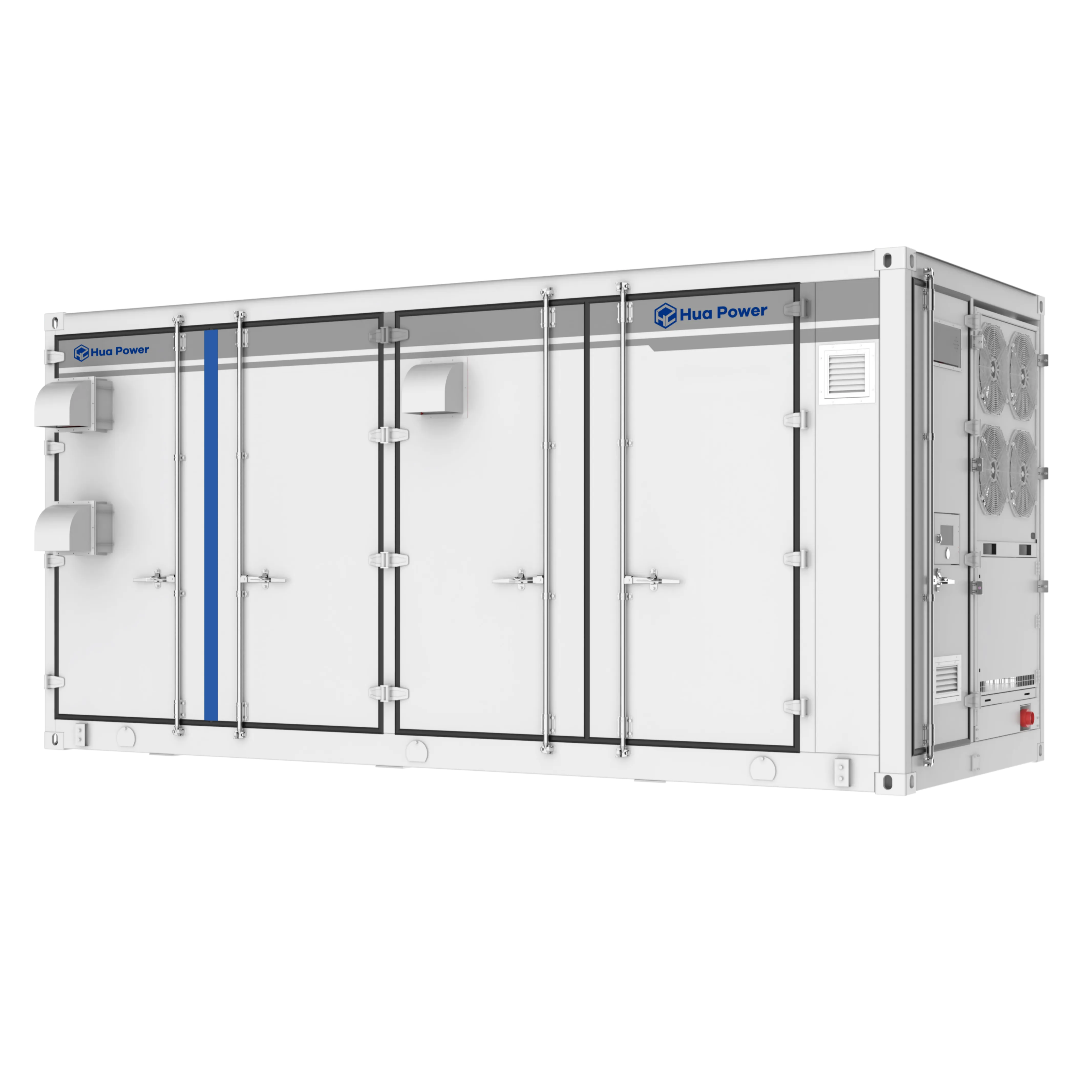
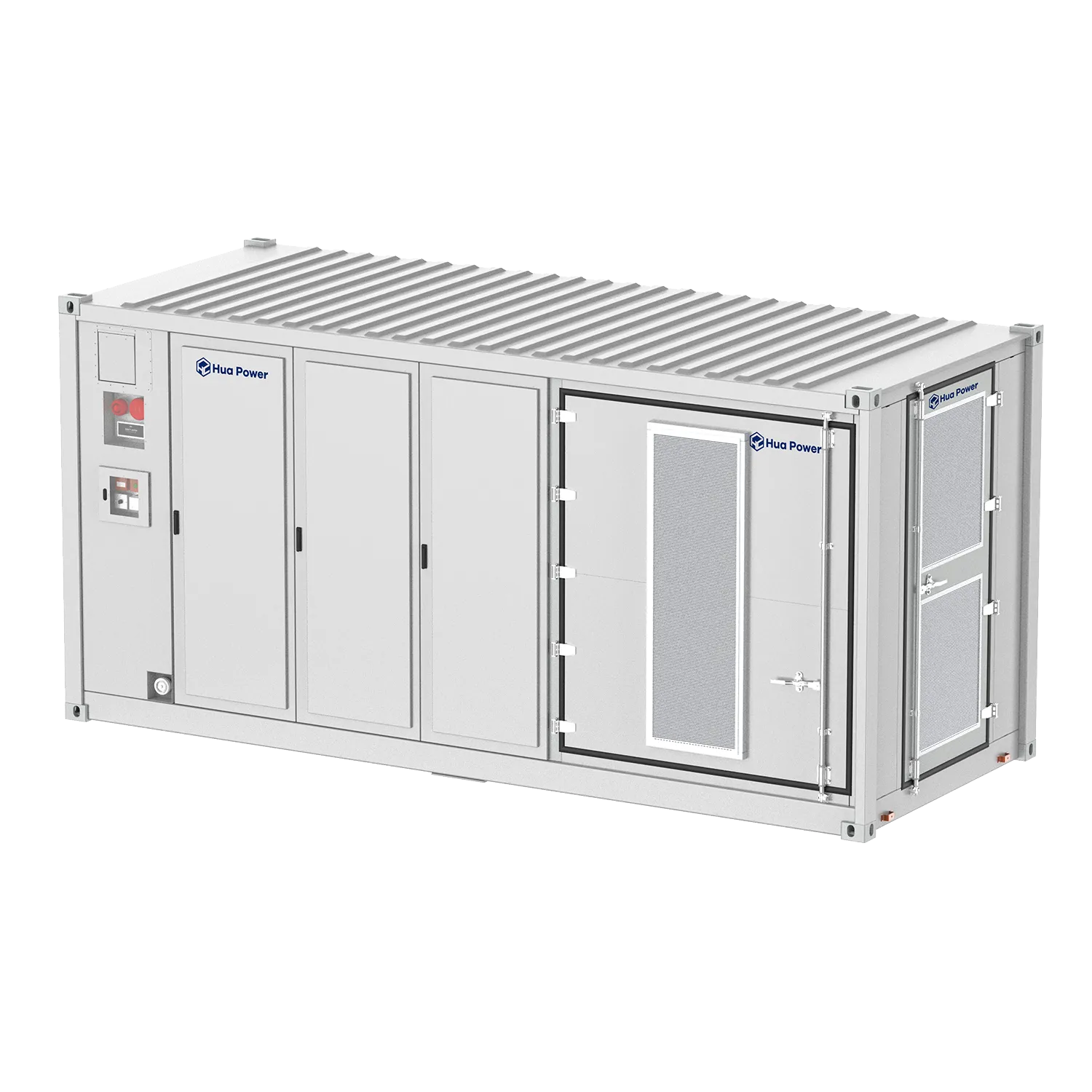
Hua Power utility scale energy storage: liquid cooling container systems from 2MWh to 5MWh per unit, scalable to 100MW+. Deployed across Europe, USA, and China for grid storage and renewable integration.
Designed for Grid-Scale
Energy Infrastructure.
Generation-Side Storage
Co-located energy storage for PV and wind farms. Smooth generation volatility, reduce curtailment, and increase renewable energy consumption rates to over 95%.
Grid Peak Regulation
Millisecond-response peak shaving and valley filling for transmission and distribution networks. Reduce grid scheduling pressure and defer costly infrastructure upgrades.
Renewable Integration
Large-scale battery storage enabling higher penetration of intermittent renewables. Capacity firming, ramp rate control, and dispatchable clean energy.
Engineered for Grid-Scale
Performance.
Scaled Energy Storage
High-power, large-capacity containerized systems designed for utility-scale deployment — 2MWh to 5MWh per unit, scalable to 100MW+ projects.
CCS Module Design
Standardized cell-to-system modular architecture enabling rapid project delivery and streamlined O&M across large fleets.
Long Cycle Life
6,000+ cycles at 90% DoD with minimal degradation — optimized for 15–20 year project lifetimes and bankable revenue projections.
High Energy Density
Industry-leading energy density per container reduces land footprint and balance-of-system costs for large-scale deployments.
Liquid Cooling System
Advanced liquid thermal management maintaining cell temperature uniformity within ±2°C — extending calendar life and maximizing round-trip efficiency.
Personalised Customisation
Flexible system configuration for diverse grid codes, environmental conditions, and project-specific technical requirements.
Utility-Scale Product Range.
High-capacity liquid cooling container systems from 2MWh to 5MWh per unit — engineered for large-scale grid storage and renewable integration projects.
Frequently asked questions
What is the Utility-Scale Energy Storage solution?
This page introduces Hua Power's Utility-Scale Energy Storage approach and organizes the listed operating scenarios and system capability areas for project scoping.
Which operating scenarios are described for Utility-Scale Energy Storage?
The page identifies these operating scenarios: Generation-Side Storage; Grid Peak Regulation; Renewable Integration. The final use case should be evaluated against the site's operating requirements.
Which system capabilities are described for Utility-Scale Energy Storage?
The page identifies these system capability areas: Scaled Energy Storage; CCS Module Design; Long Cycle Life; High Energy Density; Liquid Cooling System; Personalised Customisation. The final configuration depends on the project design and selected equipment.
What project information is needed to scope Utility-Scale Energy Storage?
Review the load or generation profile, required power and duration, electrical connection, site conditions, operating objectives, and applicable project requirements before engineering the final configuration.
Scale your grid storage project.
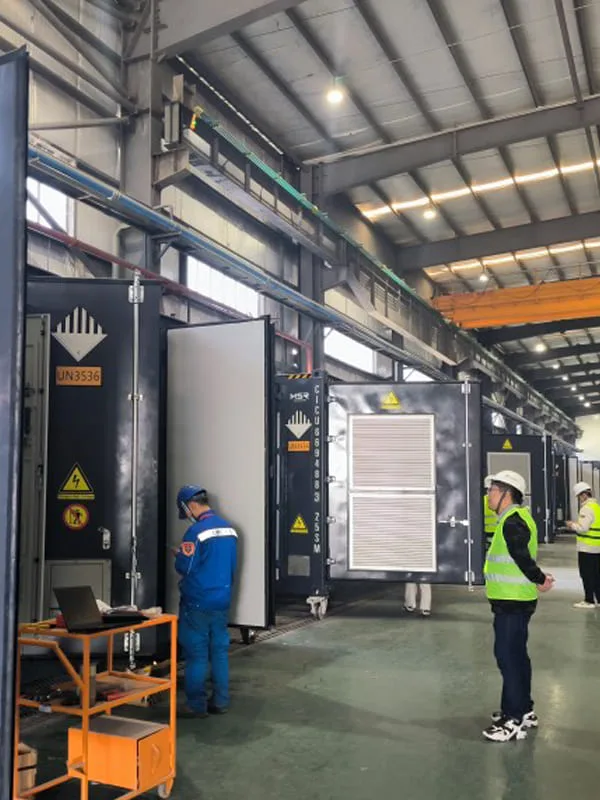
Share your project capacity, grid connection, and site conditions. Our engineering team will design the optimal utility-scale system configuration.